
Unga känner sig ofta överväldigade av klimatnyheter innan de har verktyg för att hantera sina känslor och reaktioner.
Claritys verktygslåda kan användas av pedagoger för att stärka emotionell resiliens, föreställningsförmåga, samhörighet och kollektiv handlingskraft – en praktisk aktivitet i taget. Läs mer:
Introduktion till verktygslådan
Introduktion till verktygslådan
Klimatutbildning för barn och unga står vid en vändpunkt. Elever möter ofta diagram över stigande CO₂-halter och berättelser om förlust och förstörelse långt innan de har hunnit utveckla förmågan att reglera sina känslor eller föreställa sig en återskapande framtid. Detta leder till ökande klimatångest och känslor av hjälplöshet.
CLARITY-projektet – Transformative Climate Resilience Education for Children and Youth: From Climate Anxiety to Resilience, Creativity, Connection & Regeneration – skapades för att fylla detta gap genom att sätta känslomässigt välbefinnande, fantasi och kollektiv handlingskraft i centrum för lärandet.
Den här verktygslådan är CLARITY:s praktiska svar. Den bygger på CLARITY:s kompetensramverk för transformativ klimatresiliensutbildning och erbjuder färdiga aktiviteter som väver samman psykologi, konst och naturvetenskap. Syftet är att hjälpa pedagoger att utveckla både känslomässig resiliens och förvandlande kunskaper och färdigheter hos sina elever.
Varje verktyg och aktivitetskort är ett frö: en kompakt, anpassningsbar idé redo att gro i olika miljöer – stadsskolor, fritidsgårdar, universitet, uteverksamheter eller efter-skolan-program. Pedagoger bjuds in att plantera, vårda och korspollinera dessa frön, och forma dem utifrån sina egna lokala sammanhang.
Varför använda den här verktygslådan?
- Din klimatkompass – Hjälper dig hålla undervisningen, oavsett ämne (naturvetenskap, språk, konst eller utomhuspedagogik), riktad mot fyra tydliga mål: Samhörighet, Kreativitet, Resiliens och Återskapande.
- Huvud–hjärta–händer – Förenar ekologisk kunskap, kreativt uttryck och känslomässiga färdigheter så att tankar, känslor och handlingar stärker varandra.
- Trauma-informerad och återskapande – Stödjer elever i att hantera klimatkänslor och trauma, samtidigt som de bygger resiliens och ett regenerativt tänkande genom gemensamt agerande.
- Redo när du är – Korten spänner från 10-minuters övningar till längre projekt. Vissa kräver ingen förberedelse alls, andra mer förarbete tack vare bakgrundsmaterial för fördjupning.
Hur använda verktygslådan: att bygga kompetens över tid
Den här verktygslådan är skapad för att stödja en utbildning inom transformativ klimatresiliens – men det handlar inte om att bara “beta av” aktiviteter. För att verkligen utveckla kompetenser som empati, systemtänkande eller känsloreglering behöver vi gå på djupet.
En aktivitet ≠ en kompetens
En aktivitet ≠ en kompetens
Enskilda aktiviteter är utmärkta startpunkter. En tacksamhetsdagbok kan väcka självmedvetenhet. Ett framtidsspel kan tända fantasin. Men sådana engångsögonblick bygger inte kompetens i sig. Förmågor – som att kunna samarbeta, vårda ekosystem eller reglera klimatkänslor – växer genom upprepade, sammansatta erfarenheter över tid.
Kompetens växer över tid och genom flera verktyg
Ingen kompetens byggs i ett enda ögonblick. De utvecklas tvärs över aktiviteter, verktyg och reflektioner – ibland under veckor, månader eller år. Tänk på varje aktivitet som en byggsten.
Vissa verktyg kan (och bör!) användas återkommande. Till exempel Dagbok för välbefinnande i Verktyg 2.1 eller “Sit Spot – Sittplats i naturen (2.4.2.)” kan upprepas varje vecka eller säsong. Genom att återvända märker eleverna förändring, fördjupar sin reflektion och följer sin egen utveckling. Varje gång bygger de nya insikter. Nyckeln är att återkomma till kärnpraktiker, bygga vidare på dem och koppla dem till elevernas egna liv, värderingar och känslor.
Skapa sekvenser av verktygen
Verktygslådan fungerar bäst när aktiviteterna kopplas ihop i sekvenser. Till exempel kan du börja med “Ge naturen tid” (verktyg 2.4), gå vidare till Hitta din drivkraft (3.5), Utforska framtider genom konst (4.1) och sedan arbeta med Lokala initiativ för klimatresiliens (5.2). Under hela resan återkommer du regelbundet till känslolitteracitet och reglering (1.2 och 1.5). Denna struktur skapar sammanhang och fördjupar lärandet.
Exempel på läranderesor genom CLARITY-verktygslådan:
Exempel A:
- Klimatkänslo-koll (1.1.1) lyfter fram känslor innan start.
- Långsam promenad i naturen (2.4.1) väcker sinnliga upplevelser.
- Tacksamhetsdagbok (2.1.2) fokuserar uppmärksamhet efter varje utflykt.
- Ge växter en röst (3.1.2) fördjupar empati genom att personifiera lokal flora.
- Konst av skräp (5.4.1) omvandlar plockat skräp till ett kollektivt konstverk.
Exempel B:
- Klimatcirkel/Klimatcafé (1.3.1) bygger tillit och avlastar oro.
- Aktivt lyssnande (3.3.1) tränar respektfull dialog.
- Den vackraste framtiden (4.2.1) öppnar för gemensam fantasi.
- Lokala kartor (5.2.2) kartlägger tillgångar och risker i samhället.
- Stödja lokala klimatresiliensåtgärder (5.2.3) ger utrymme för design och genomförande av en liten intervention.
- Reflektionscirkel med Dagbok om hur du mår (2.1.1) knyter ihop känslor och resultat.
Exempel C:
- Aktivt lyssnande (3.3.1) introducerar lyssnarpraktiker.
- Djuplyssning till andra (3.3.2) fördjupar det transformativa lyssnandet.
- Lyssna till berättelser av urfolk (3.2.1) tränar lyssnande och utforskar olika värdesystem.
- Utforska urfolks konst och kulturarv (3.2.3) fördjupar förståelsen för kosmologier och de systematiska skador urfolk utsätts för när de skyddar och återskapar natur.
Viktigt: Under hela läranderesan, både i aktiviteterna och mellan dem, behöver verktyg för känsloreglering (1.2, 1.3, 1.4) användas. Lärare som arbetar med verktygen i klassrummet behöver också först ha lärt sig att skapa en trauma-informerad lärmiljö (1.1), bland annat genom att bygga en kultur av omsorg och trygghet (1.1.1) i klassen.
Reflektera och återvänd
För att stödja kompetensutvecklingen, uppmuntra eleverna att reflektera regelbundet – genom dagboksskrivande, cirkelsamtal eller kreativa uttryck. Låt reflektionen knyta ihop tidigare erfarenheter med nya. Kompetenser som känslolitteracitet, aktivt hopp eller regenerativt tänkande blir synliga först när eleverna kan sätta ord på dem, tillämpa dem och anpassa dem i nya sammanhang.
En öppen inbjudan
Utbildning kan antingen fördjupa känslan av hopplöshet – eller så ett frö till återskapande. Genom att använda och dela dessa verktyg blir du en del av en växande gemenskap av pedagoger som hjälper unga människor att gå från klimatångest till möjlighet att bidra till klimatresilienta, kreativa och återskapande framtider. Låt oss tillsammans skapa de lärmiljöer som en blomstrande planet akut behöver.
Strukturen i verktygslådan
Strukturen i verktygslådan
- Kompetensområde 1: Att möta och ta hand om klimatkänslor och trauma
- Verktyg 1.1: Främja en trauma-informerad lärmiljö
- Verktyg 1.2: Skapa utrymme för klimatkänslor – klimatkänslokoll
- Verktyg 1.3: Rörelse för att minska klimatångest
- Verktyg 1.4: Ge plats för klimatkänslor
- Kompetensområde 2: Att främja samhörighet med sig själv, andra och naturen
- Verktyg 2.1: Dagbok för välbefinnande
- Verktyg 2.2: Delade berättelser – gemensam historia
- Verktyg 2.3: Samhörighet med djur
- Verktyg 2.4: Ge naturen tid
- Kompetensområde 3: Omfamna värderingar för att värna alla levande varelsers existens
- Verktyg 3.1: En del av naturen
- Verktyg 3.2: Lära av och med urfolk
- Verktyg 3.3: Lyssna
- Verktyg 3.4: Utforska isberget
- Verktyg 3.5: Hitta din drivkraft
- Kompetensområde 4: Att öppna upp för en mångfald av klimatresilienta ochregenerativa framtider
- Verktyg 4.1: Utforska framtider genom konst
- Verktyg 4.2: Utveckla framtidslitteracitet
- Verktyg 4.3: Utforska det oväntade – framtidsvisioner
- Verktyg 4.4: Designa för resiliens och återskapande
- Kompetensområde 5: Att agera tillsammans för klimatresiliens och regeneration
- Verktyg 5.1: Återskapa jordar
- Verktyg 5.2: Lokala initiativ för klimatresiliens
- Verktyg 5.3: Främja solidaritet och återskapande
- Verktyg 5.4: Bygga engagemang genom konst och dialog
CLARITYs verktygslåda
Filtrera aktiviteterna
Sök
Åldersgrupp
Varighet
Plats
Gruppstorlek
Svårighetsgrad
Koppling till läroplaner
Stödjer kompetenserna
-
Skapa en kultur av trygghet och omsorg
Denna aktivitet är avsedd för lärare och pedagoger. Den utgör ett förkunskapskrav och en grundläggande aktivitet för att alla andra aktiviteter som berör klimatkänslor ska kunna bli verksamma, meningsfulla och…
Aktivitet:
1.1.1 -

Snabba självregleringstekniker för lärare
Den här aktiviteten hjälper dig som lärare eller utbildare att reglera ditt eget nervsystem, så att du bättre kan stötta dina elever när de känner oro eller är i ett…
Aktivitet:
1.1.2 -

Stödjande respons i känsliga situationer
Här hittar du exempel på hur du som lärare kan bemöta elever som blivit känslomässigt överväldigade – antingen enskilt eller som grupp, till exempel i samband med starka klimatrelaterade upplevelser…
Aktivitet:
1.1.3 -
Klimatkänslohjulet
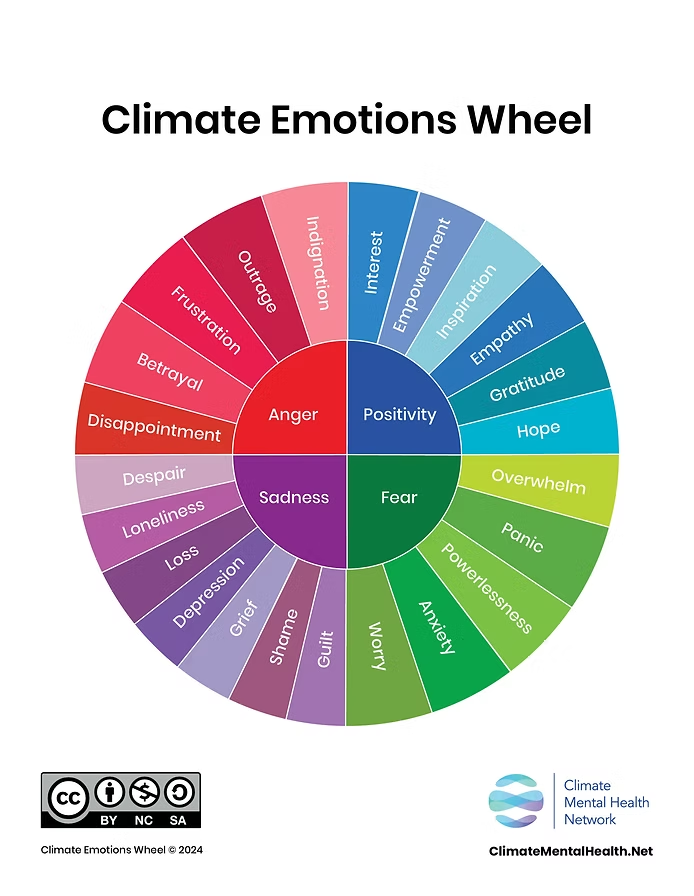
Att lära känna de olika känslor som presenteras i klimatkänslohjulet kan hjälpa både studenter och lärare att sätta ord på de känslor som uttrycks, både individuellt och i grupp. Den…
Aktivitet:
1.2.1 -
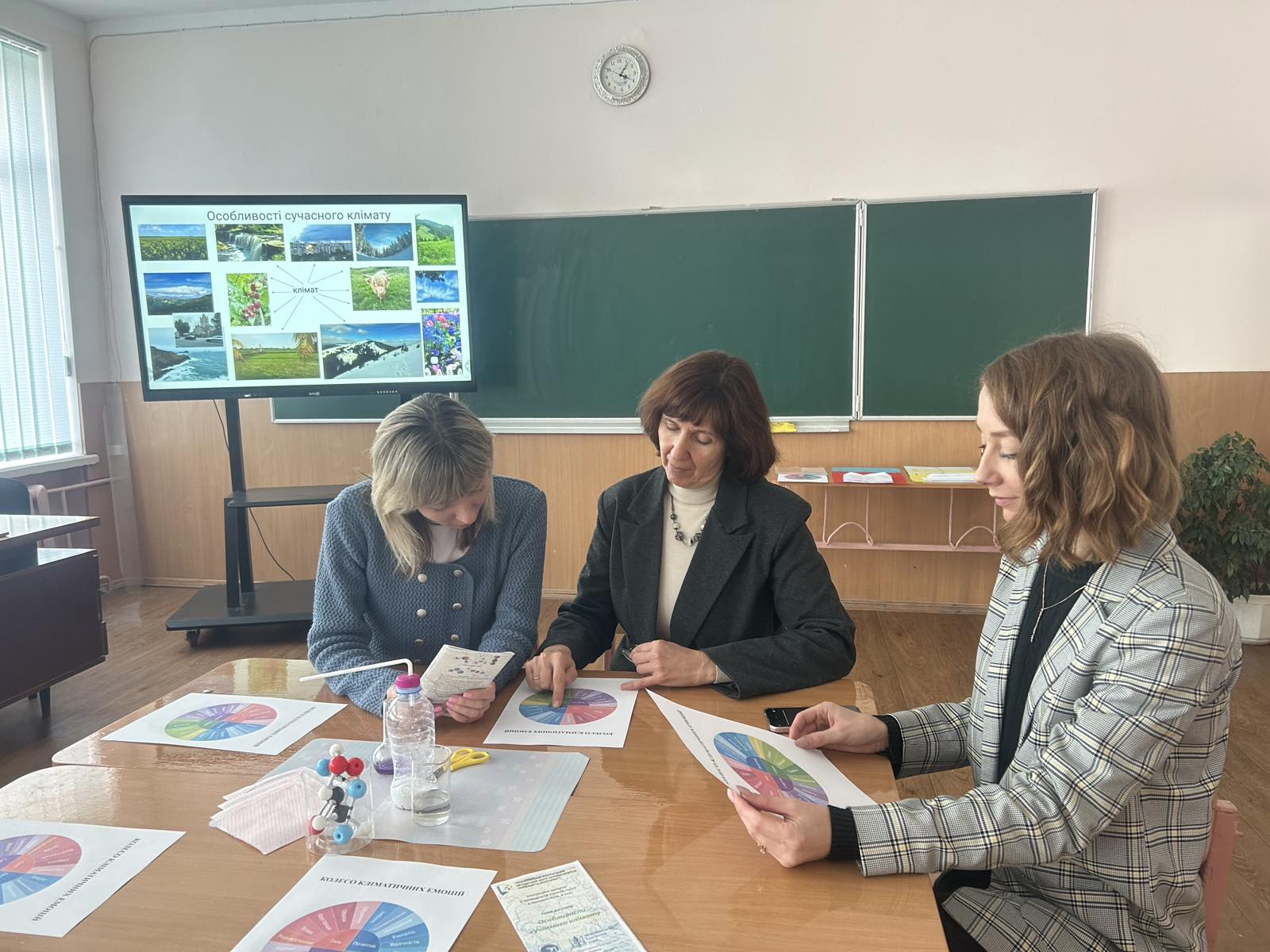
Klimatkänslokoll
En daglig känslokoll ger kontinuitet och hjälper dig som lärare att skapa rutiner samt integrera emotionell litteracitet och omsorg i det dagliga arbetet. Ett sådant arbete kan vara utmanande i…
Aktivitet:
1.2.2 -
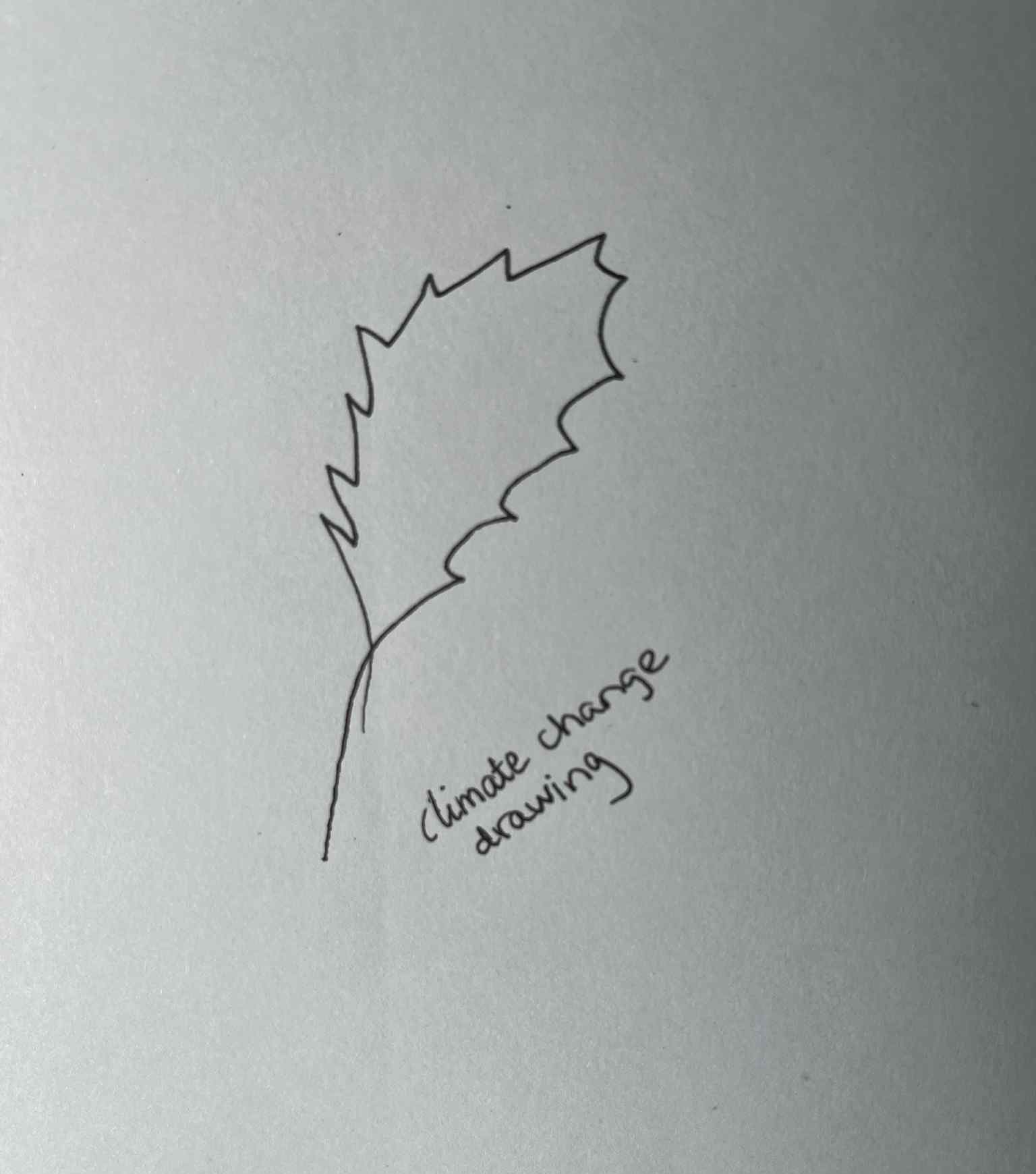
Klimatkänslosymboler
Den här aktiviteten bjuder in till att utforska klimatkänslor med hjälp av konstnärliga uttryck. Studenterna ges här möjlighet att rita symboler för sina känslor kopplade till klimatförändringar på ett papper…
Aktivitet:
1.2.3 -
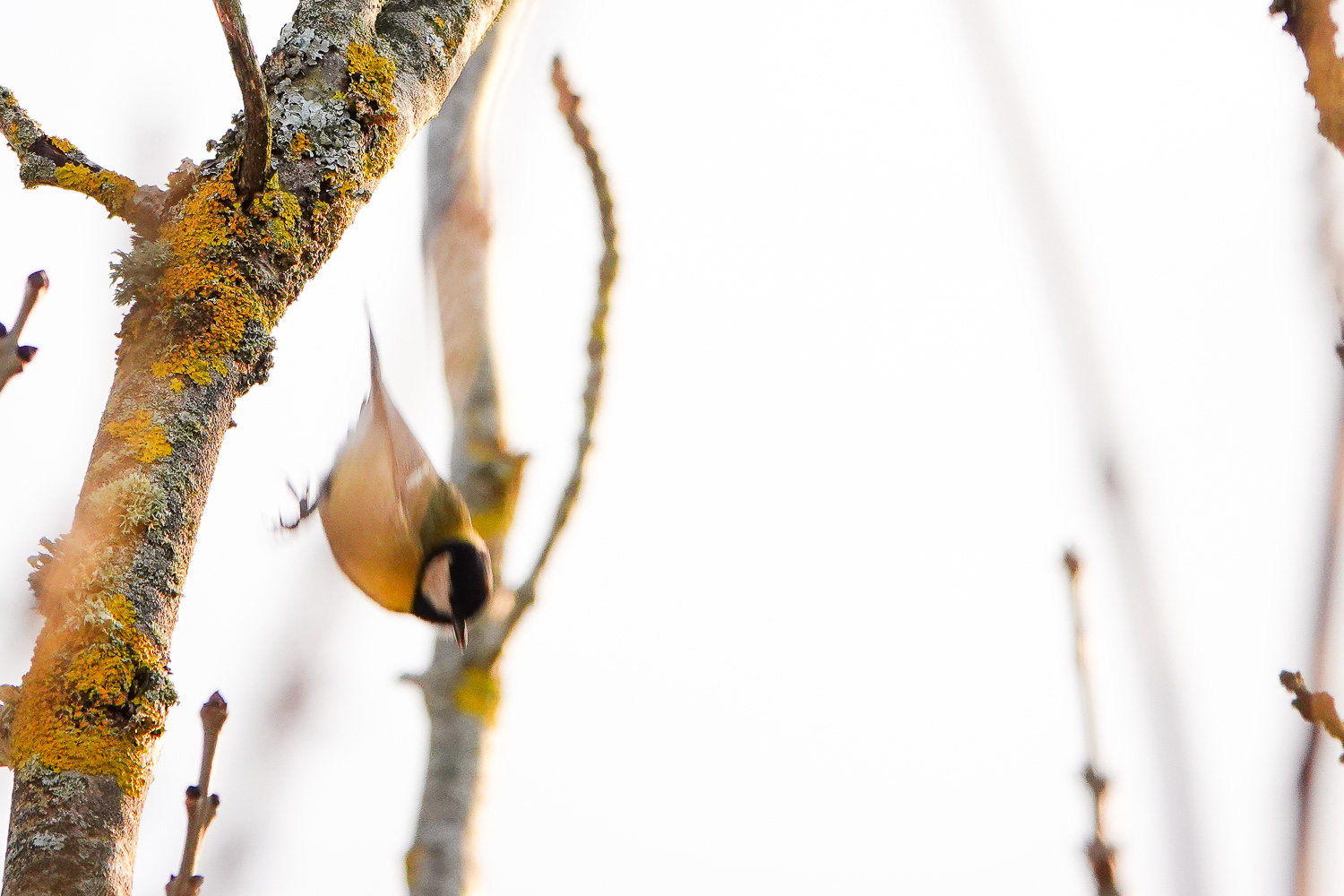
Klimatkänslor gestaltade med kroppen
Denna gruppaktivitet går ut på att gestalta känslor kopplade till klimatförändringar genom en kroppshållning och/eller en rörelse. Aktiviteten kan hjälpa till att uttrycka känslor som vi inte har ord för,…
Aktivitet:
1.2.4 -
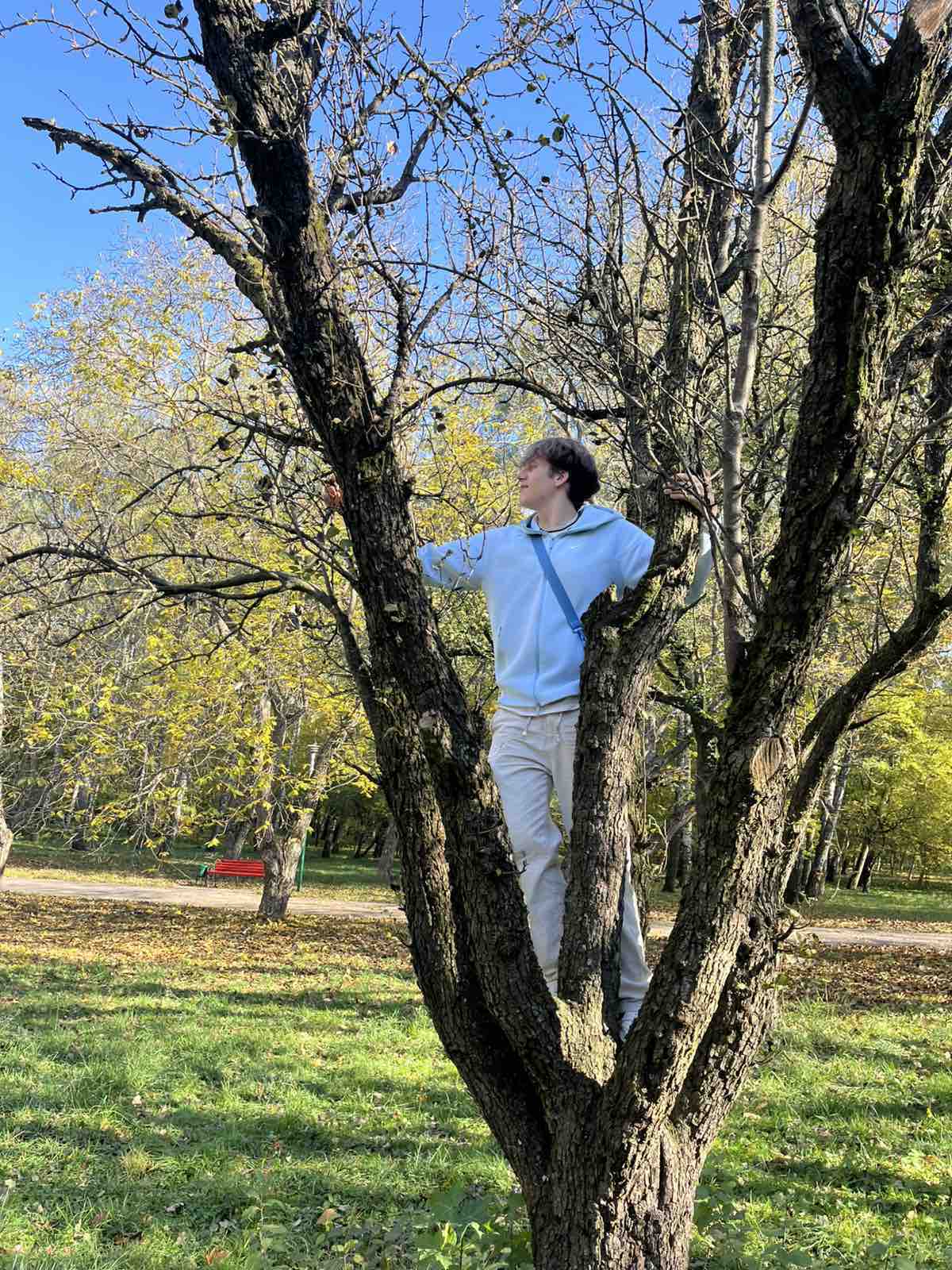
Andning
Att andas, äta och promenera är en del av vår vardag – men också något vi kan påverka hur vi gör. När vi utför dem som medvetna handlingar kan de…
Aktivitet:
1.3.1 -
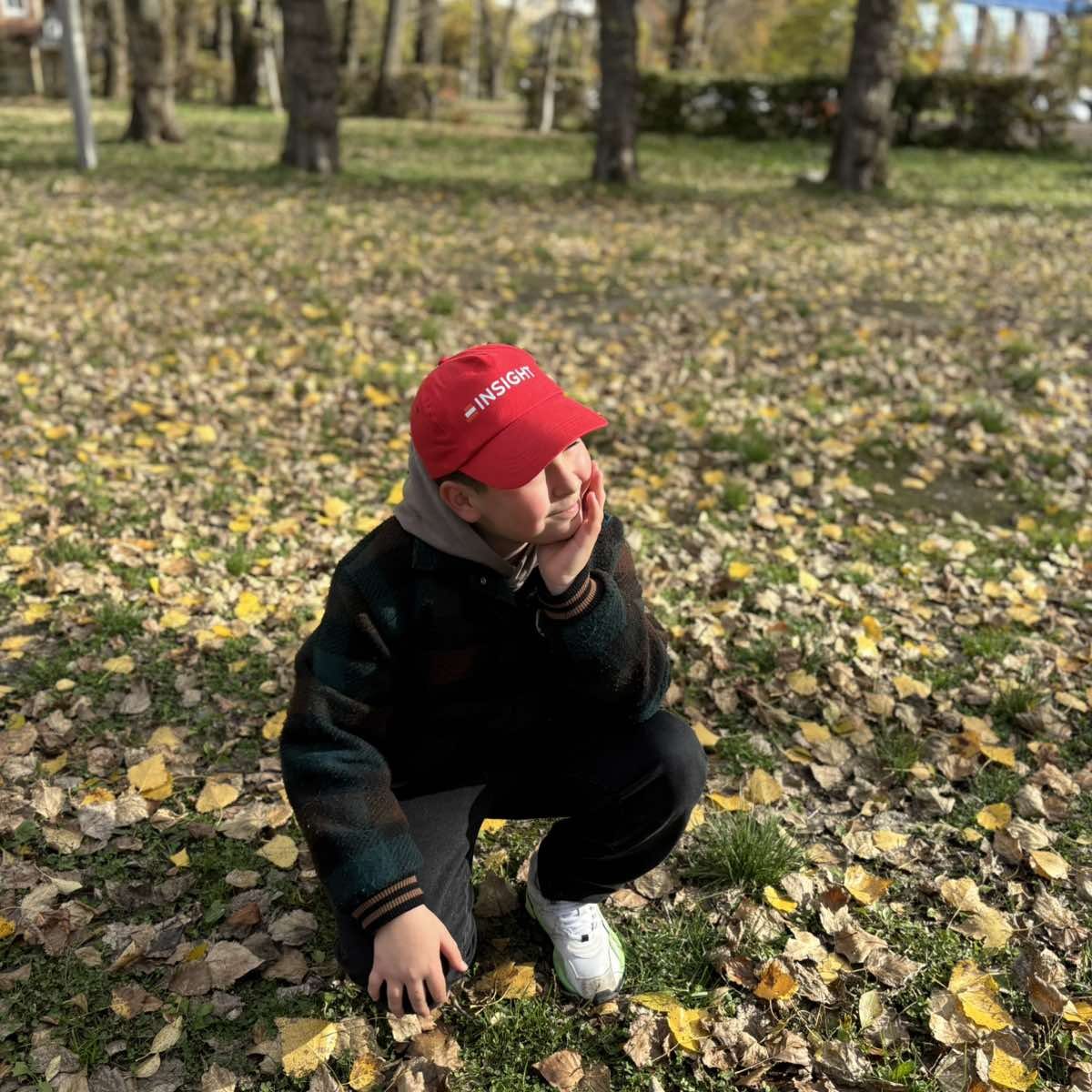
Lugnande kroppsrörelser
En serie enkla rörelser som du som lärare kan erbjuda dina elever när de känner oro, stress eller överväldigande känslor kopplade till klimatförändringar.
Aktivitet:
1.3.2 -

Kontemplativa praktiker
Det här verktyget erbjuder praktiska sätt att hantera överväldigande känslor, stress och oro – både för en individ och en grupp, antingen förebyggande eller när de uppstår. De flesta av…
Aktivitet:
1.3.3 -
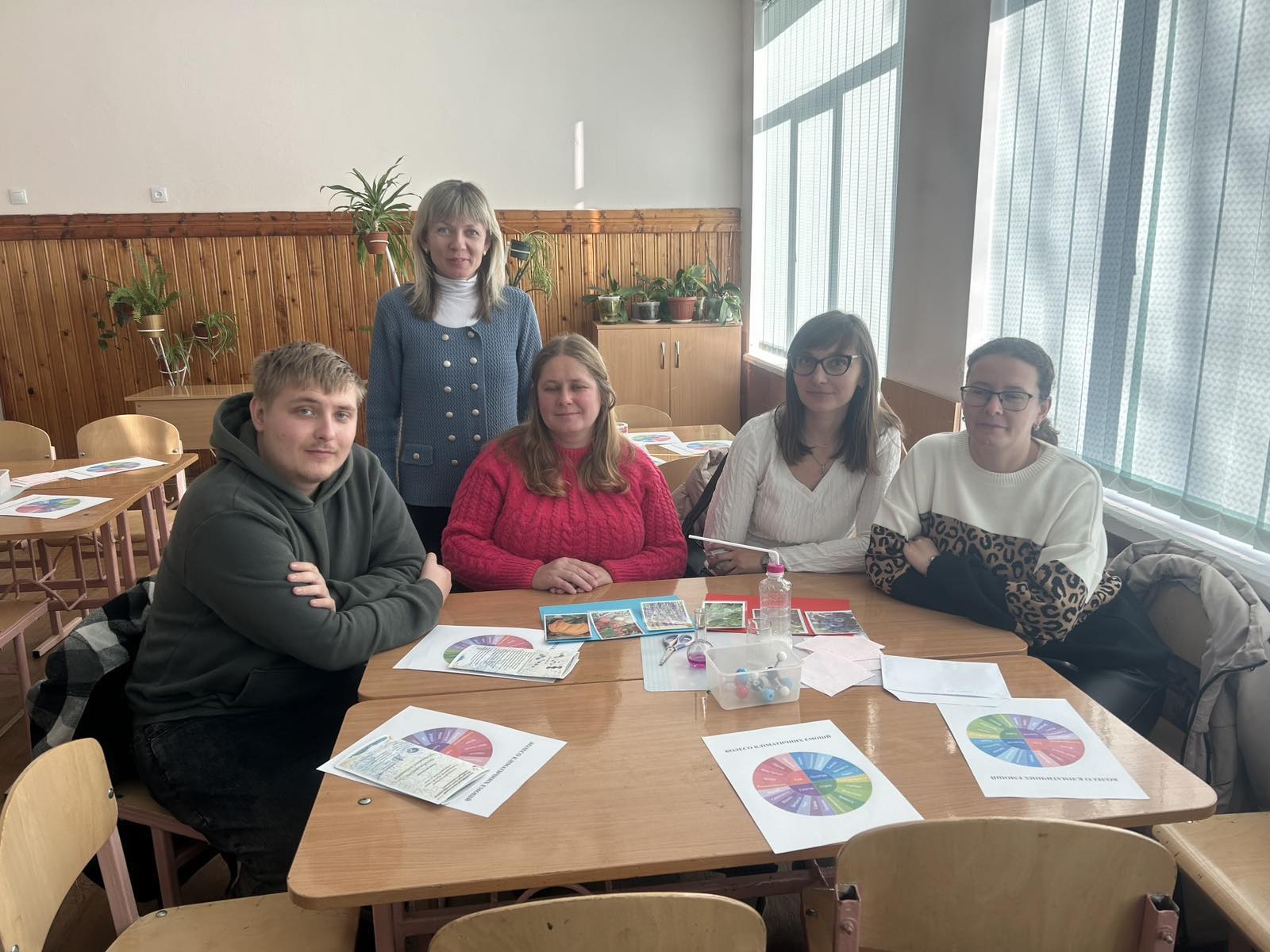
Klimatcirklar och klimatkaféer
Ett klimatcirkel eller klimatcafé är ett tillfälle för människor att samlas och dela de känslor de har i relation till klimatförändringar, i en stödjande miljö som är avsedd att vara…
Aktivitet:
1.4.1 -
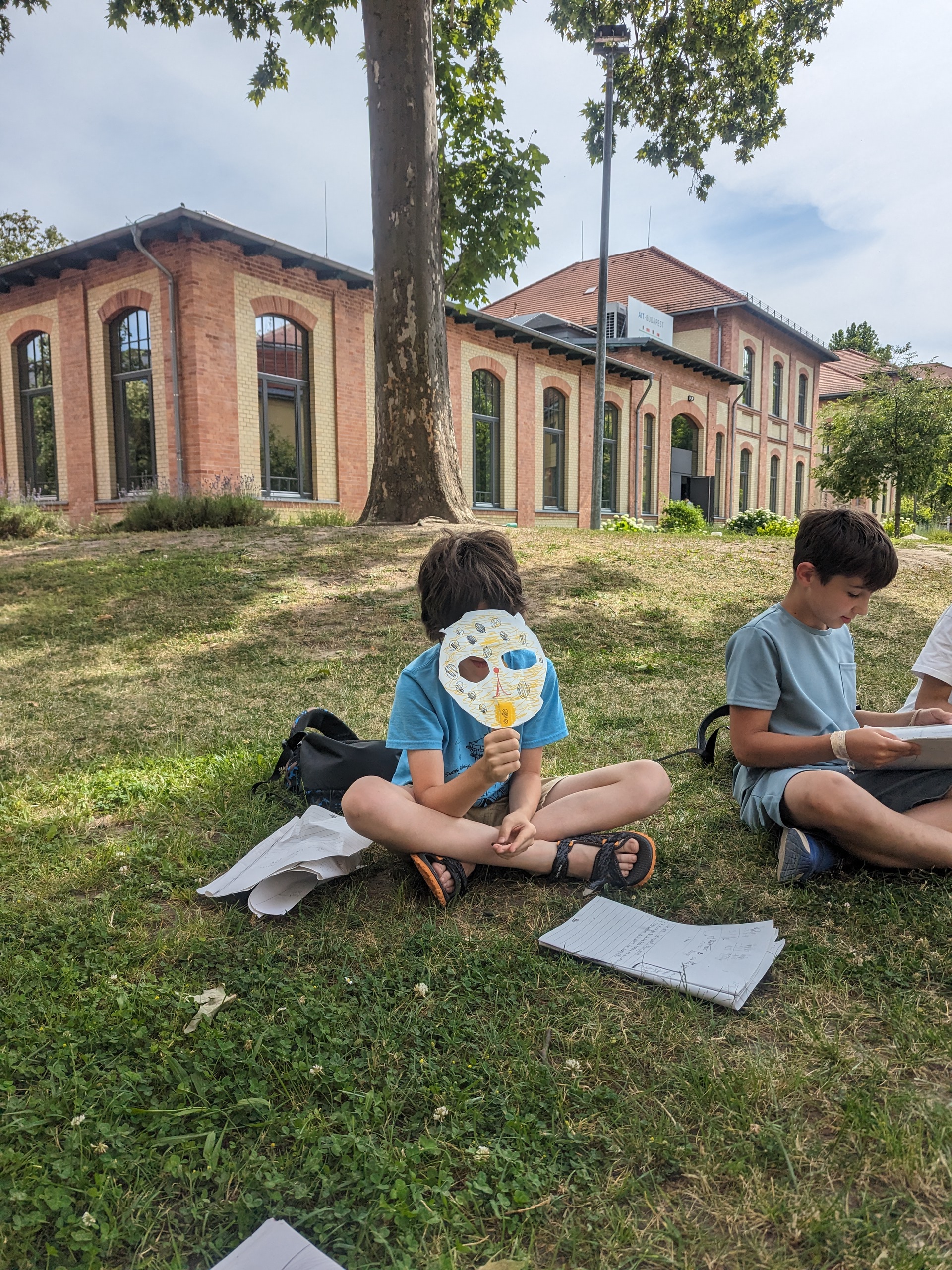
Skapande vägar för klimatkänslor
Kreativa uttryck kan hjälpa till att uttrycka, utforska och fördjupa klimatkänslor. Sådana kreativa uttryck kan till exempel vara att skriva korta dikter som haiku eller cinquain, att rita, måla eller…
Aktivitet:
1.4.2 -
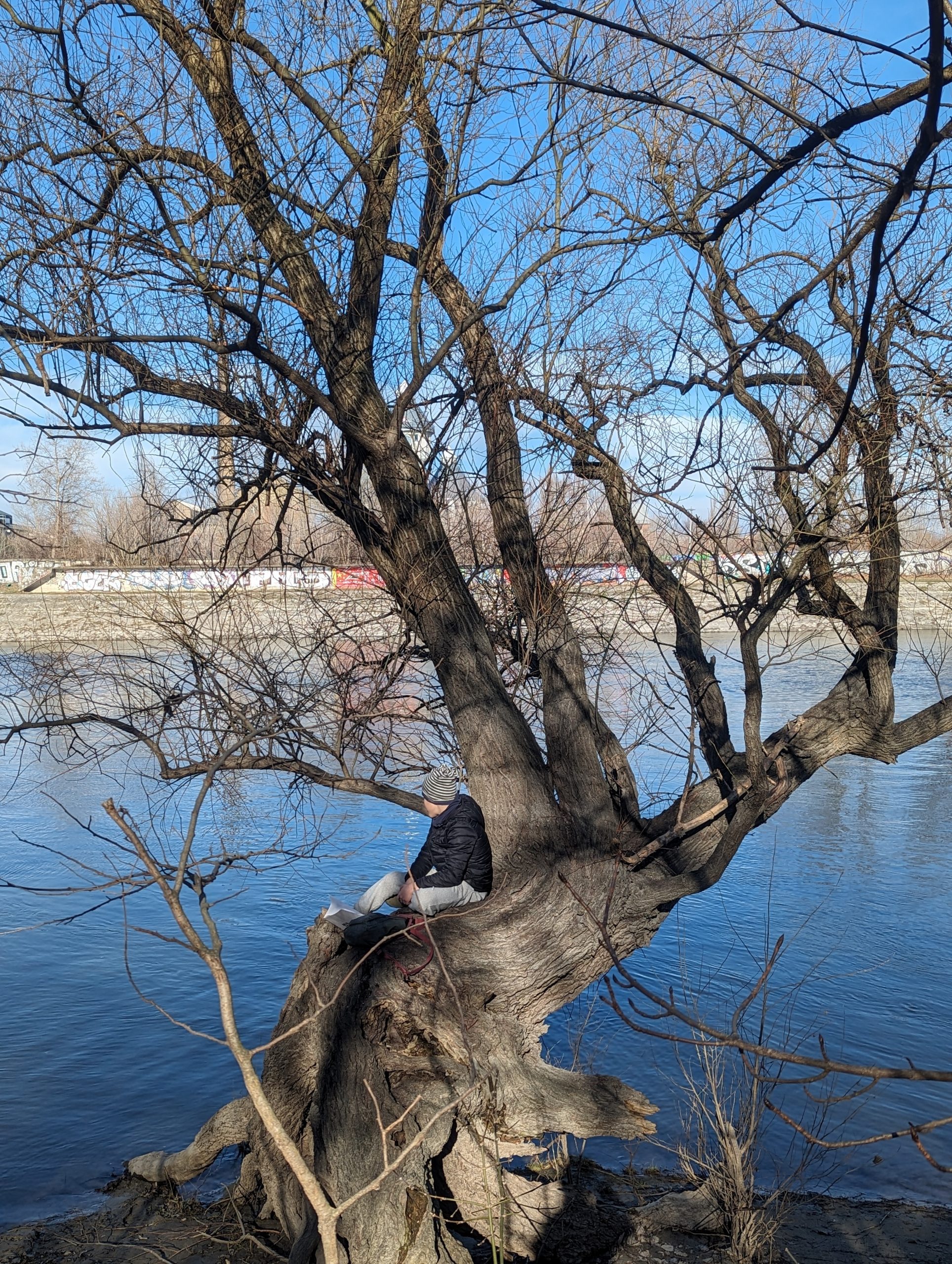
Sorgarbete och sorgpraktiker
Denna aktivitet går ut på att undersöka, utforska och eventuellt delta i lokala – gärna även äldre, bortglömda eller traditionella – sorgepraktiker, för att hantera den sorg som är kopplad…
Aktivitet:
1.4.3 -
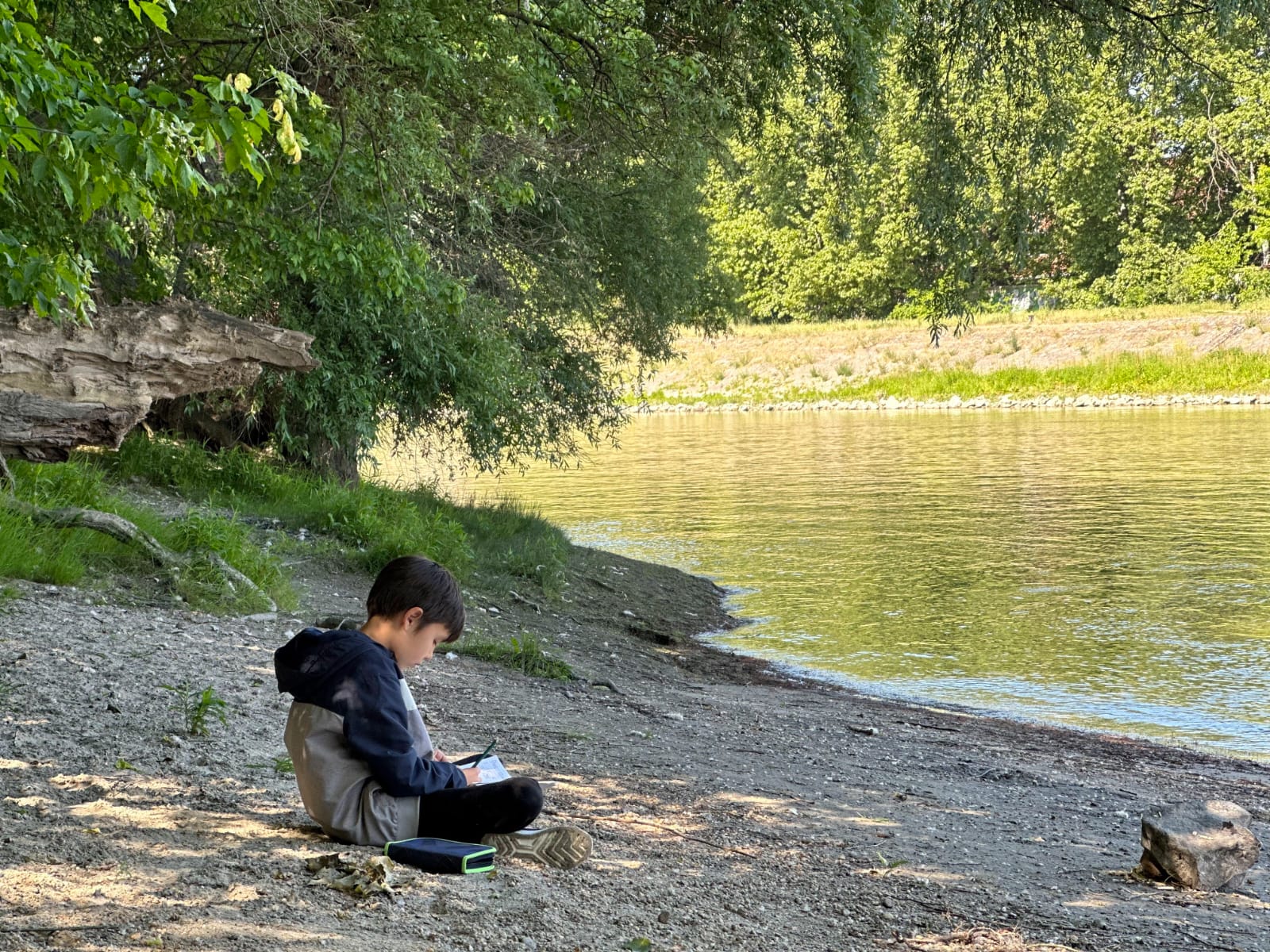
Dagbok om hur du mår
Att acceptera sina känslor är kopplat till bättre psykisk hälsa, bättre humör och minskad ångest. Vi behöver kunna hantera våra känslor, även de negativa, som om vi enbart trycker undan…
Aktivitet:
2.1.1 -
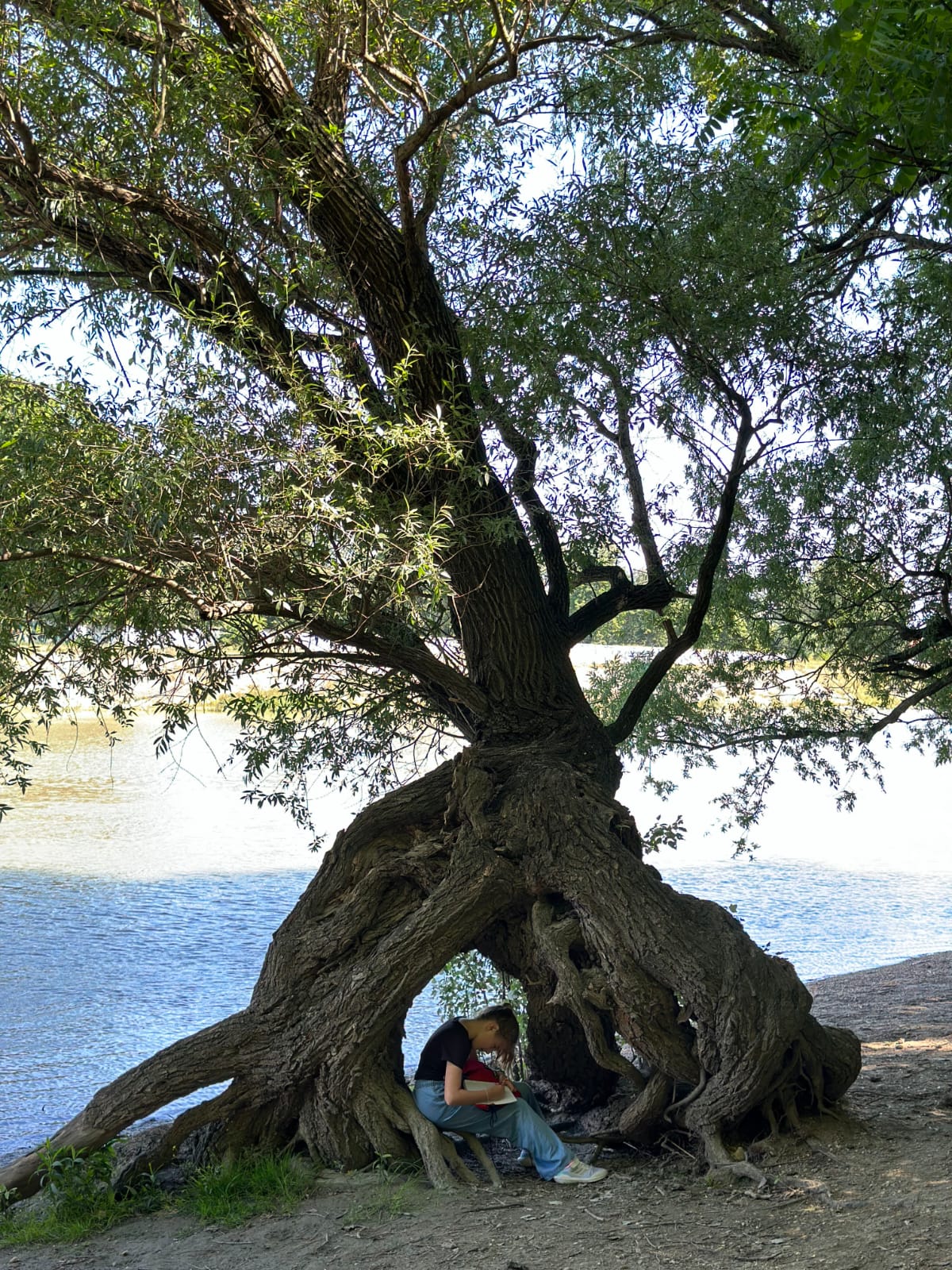
Dagbok om tacksamhet
Att föra en tacksamhetsdagbok påverkar både kropp och sinne. På neurobiologisk nivå hjälper den till att reglera det sympatiska nervsystemet, som aktiverar våra ångestreaktioner. På psykologisk nivå tränar den hjärnan…
Aktivitet:
2.1.2 -
Berättelser om naturen – då och nu
Eleverna får i uppgift att fråga sina föräldrar, mor- och farföräldrar och/eller andra personer i sitt lokalsamhälle hur de först kom i kontakt med naturen som barn – och hur…
Aktivitet:
2.2.1 -
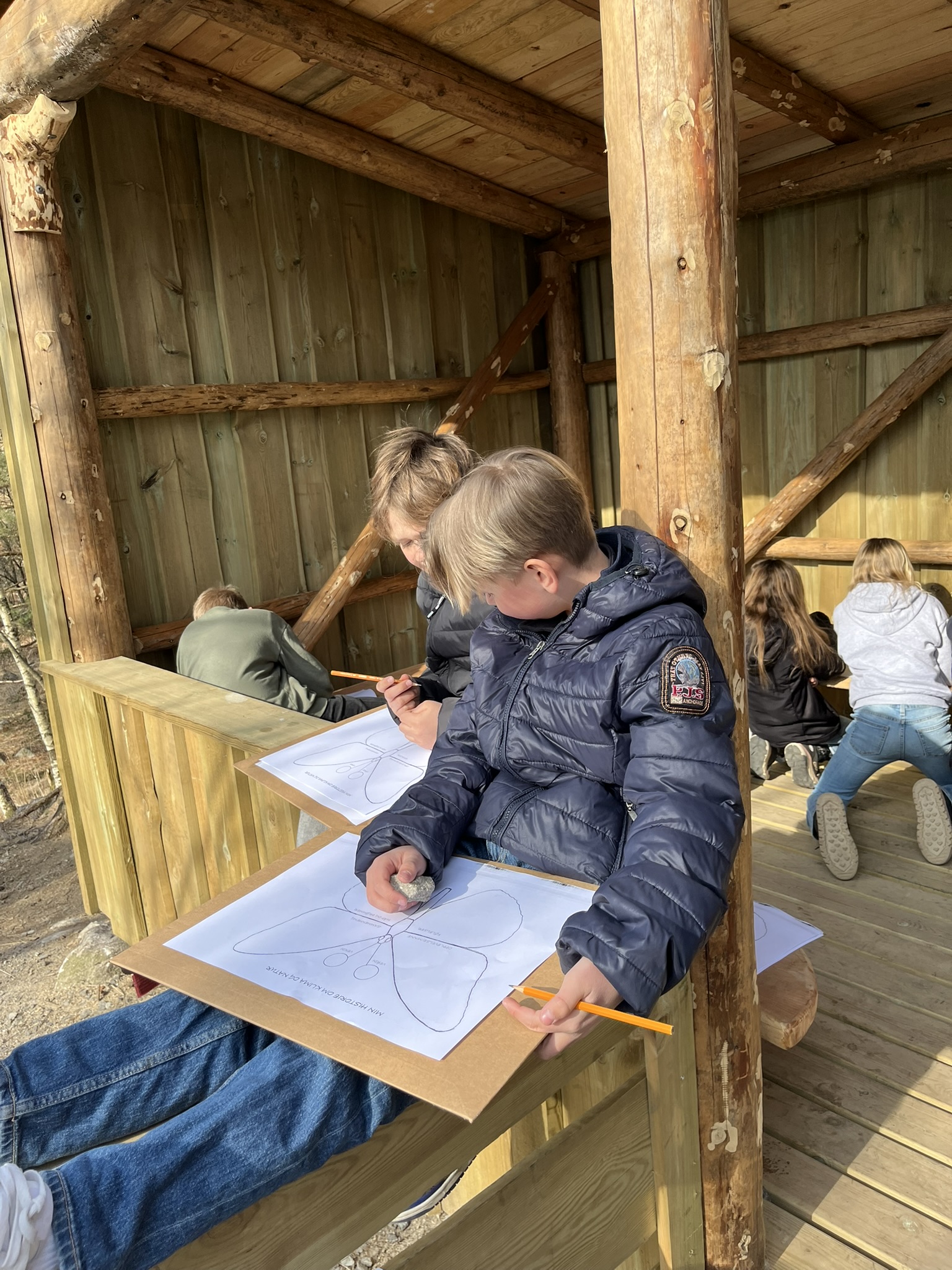
Din berättelse om klimat och natur
Aktiviteten innebär att eleverna skriver en personlig berättelse om sin relation till naturen och till klimatförändringarna. I sin personliga berättelse kan eleverna inkludera element som minnen, sinnesintryck, känslor, värderingar, reflektioner,…
Aktivitet:
2.2.2 -
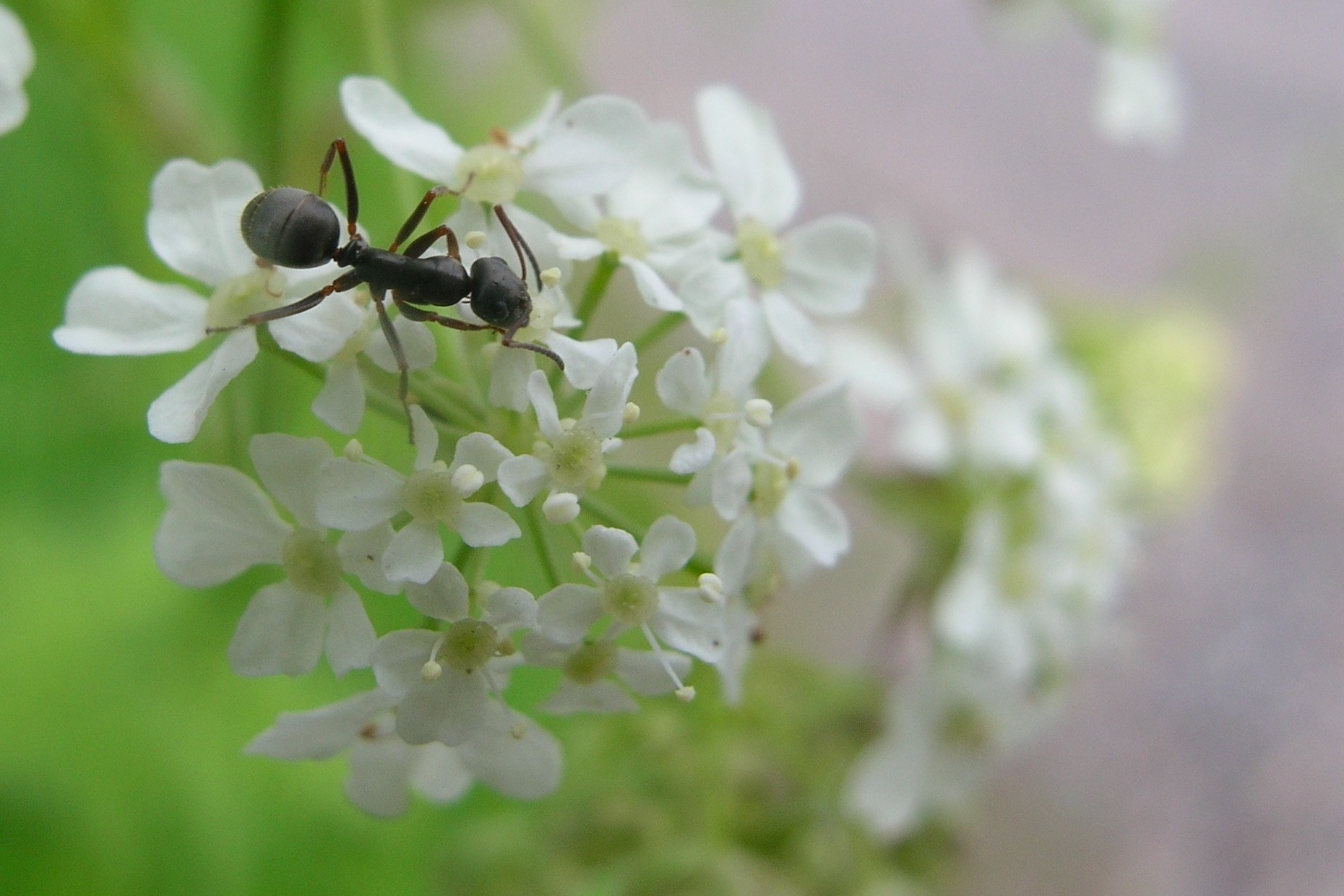
Observera och forska om djur
Hur förhåller sig djur till varandra och till sin omgivning? Vad har vi gemensamt med andra djur, och på vilka sätt skiljer vi oss åt? Vilka exempel kan vi hitta…
Aktivitet:
2.3.1 -
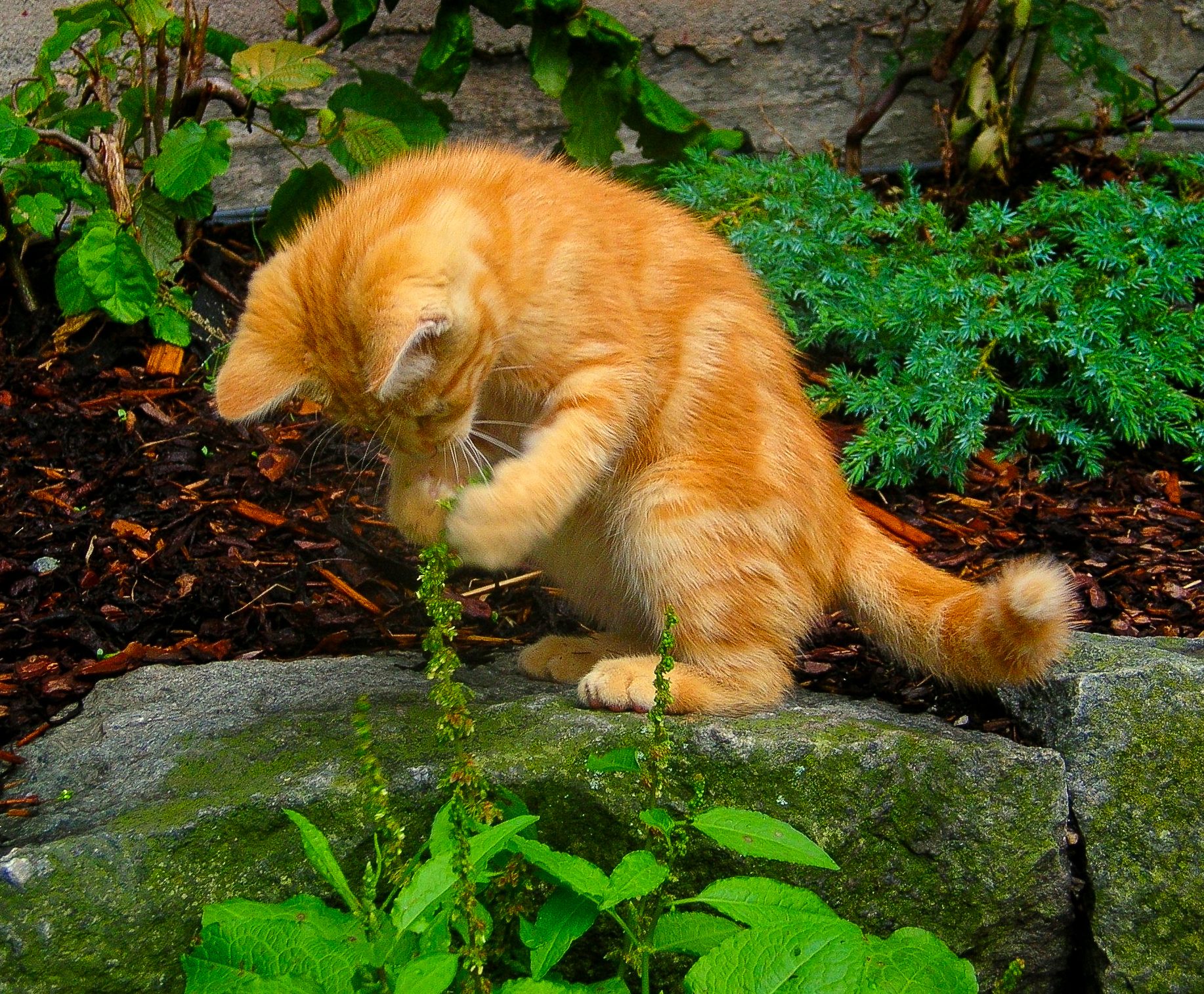
Röra sig och känna som ett djur
Utforska känslor och perspektiv genom att röra dig som olika djur. Människor har imiterat djur i tusentals år av många olika anledningar. Bland annat för att förstå det djur de…
Aktivitet:
2.3.2 -

Gå och kommunicera med djur
På vilka sätt kan vi kommunicera och skapa förtroende tillsammans med ett annat djur? Att göra det utan ord kräver ett genuint engagemang. Den här aktiviteten är utformad för 1-2…
Aktivitet:
2.3.3 -
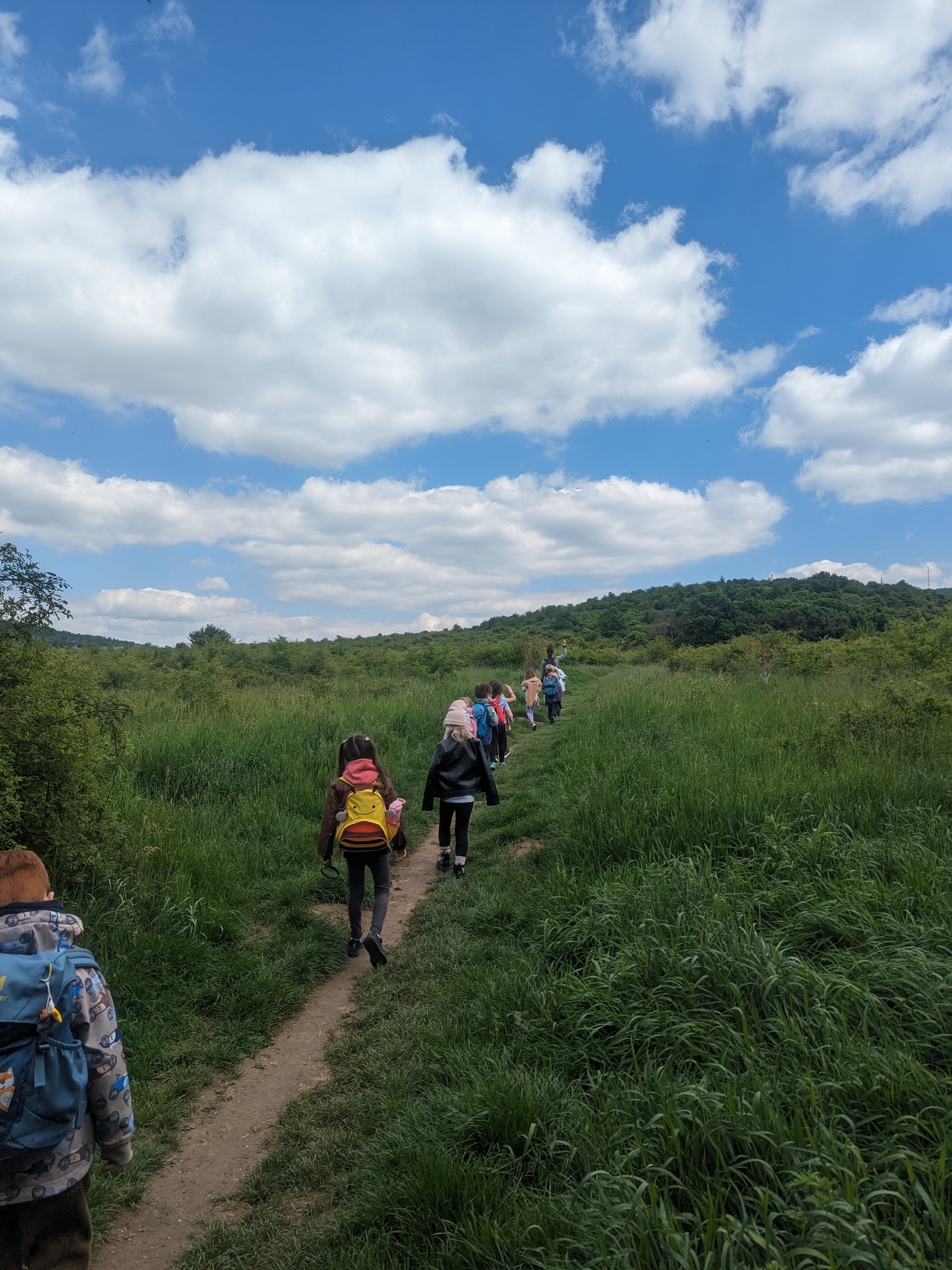
Långsam vandring i naturen
Den här aktiviteten bjuder in elever att gå långsamt och medvetet genom en naturmiljö, med fokus på andningen och sina sinnesintryck. Genom att röra sig i ett lugnt tempo och…
Aktivitet:
2.4.1 -

Sitt-och-titt-plats i naturen
“Sitt-och-titt-plats i naturen” är ett kraftfullt verktyg för att främja samhörigheten med naturen. Det innebär att man tillbringar tyst, avsiktlig tid i naturen, observerar miljön och reflekterar över upplevelsen, både…
Aktivitet:
2.4.2 -
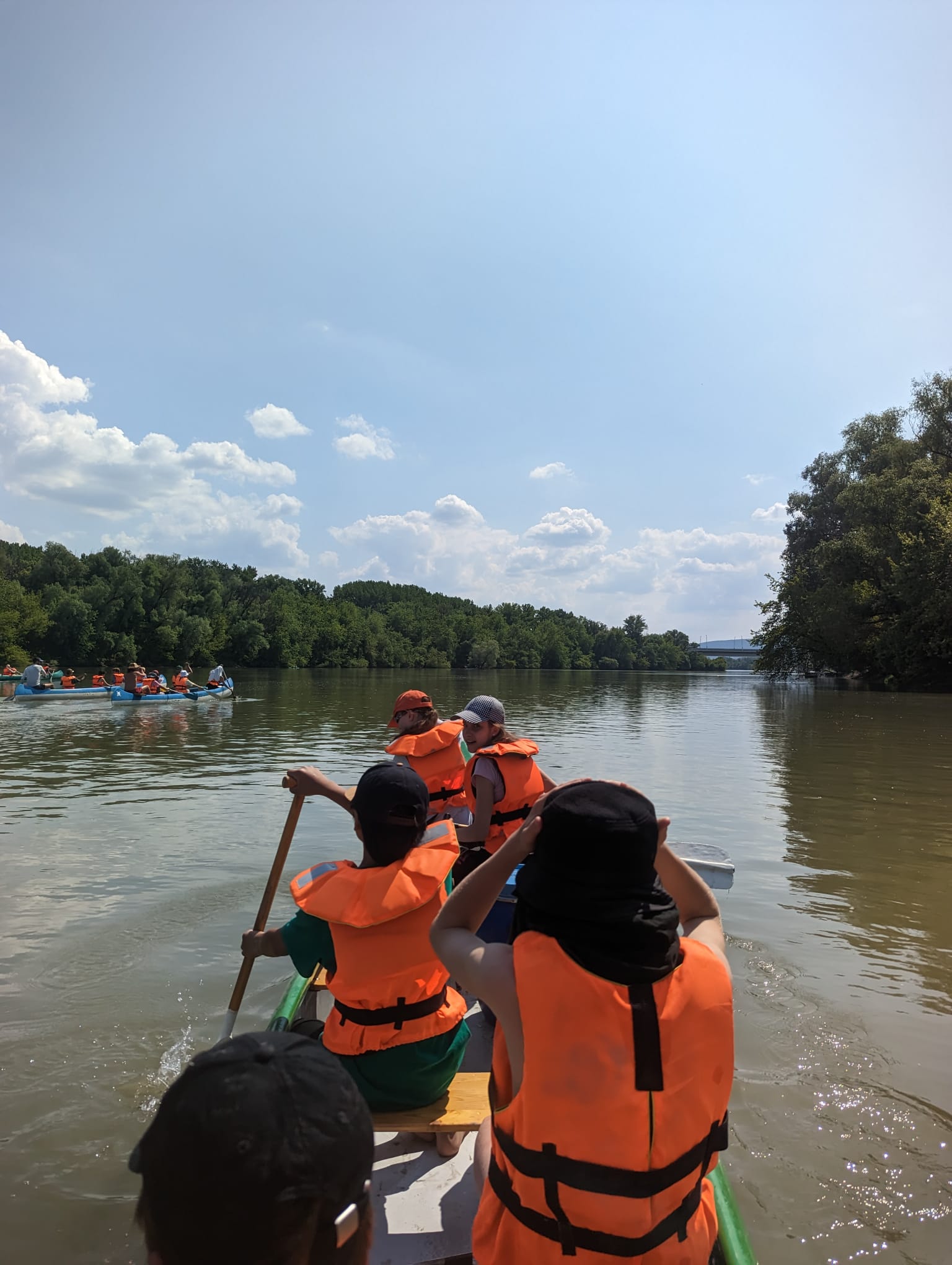
Äventyr i naturen
“Äventyr i naturen” är en flexibel utomhusaktivitet där eleverna ges möjlighet att utforska, observera och få kontakt med naturen. Oavsett om det är en vandring genom skogen, kanotpaddling på en…
Aktivitet:
2.4.3 -
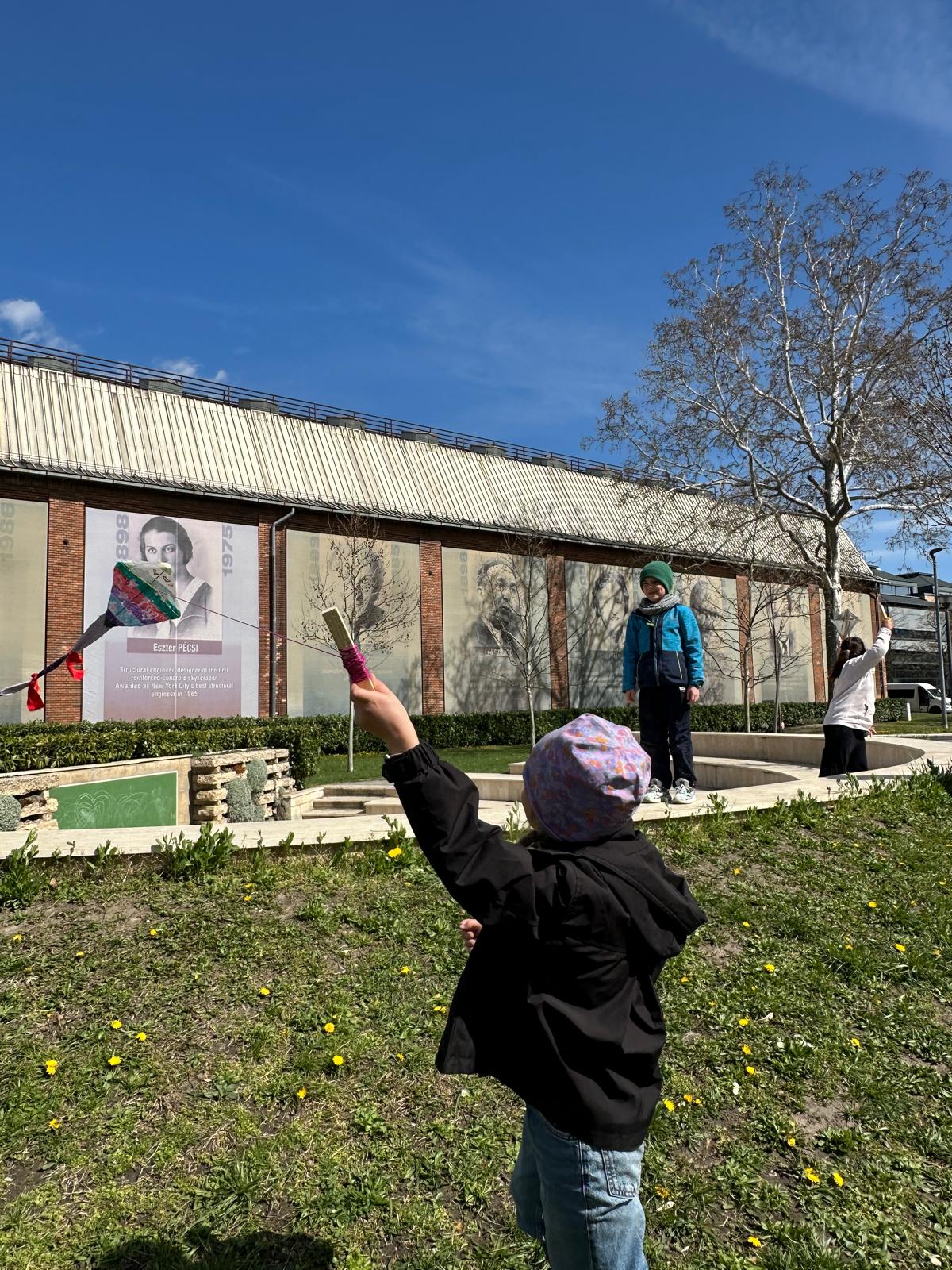
Flyga drake
Skapa en hållbar drake som ett sätt att utforska hållbara material, införliva rörelse och skoj, reflektera över hur vindmönster påverkas av klimatförändringar och samtidigt ges tillfälle att lära sig praktiska…
Aktivitet:
2.4.4 -
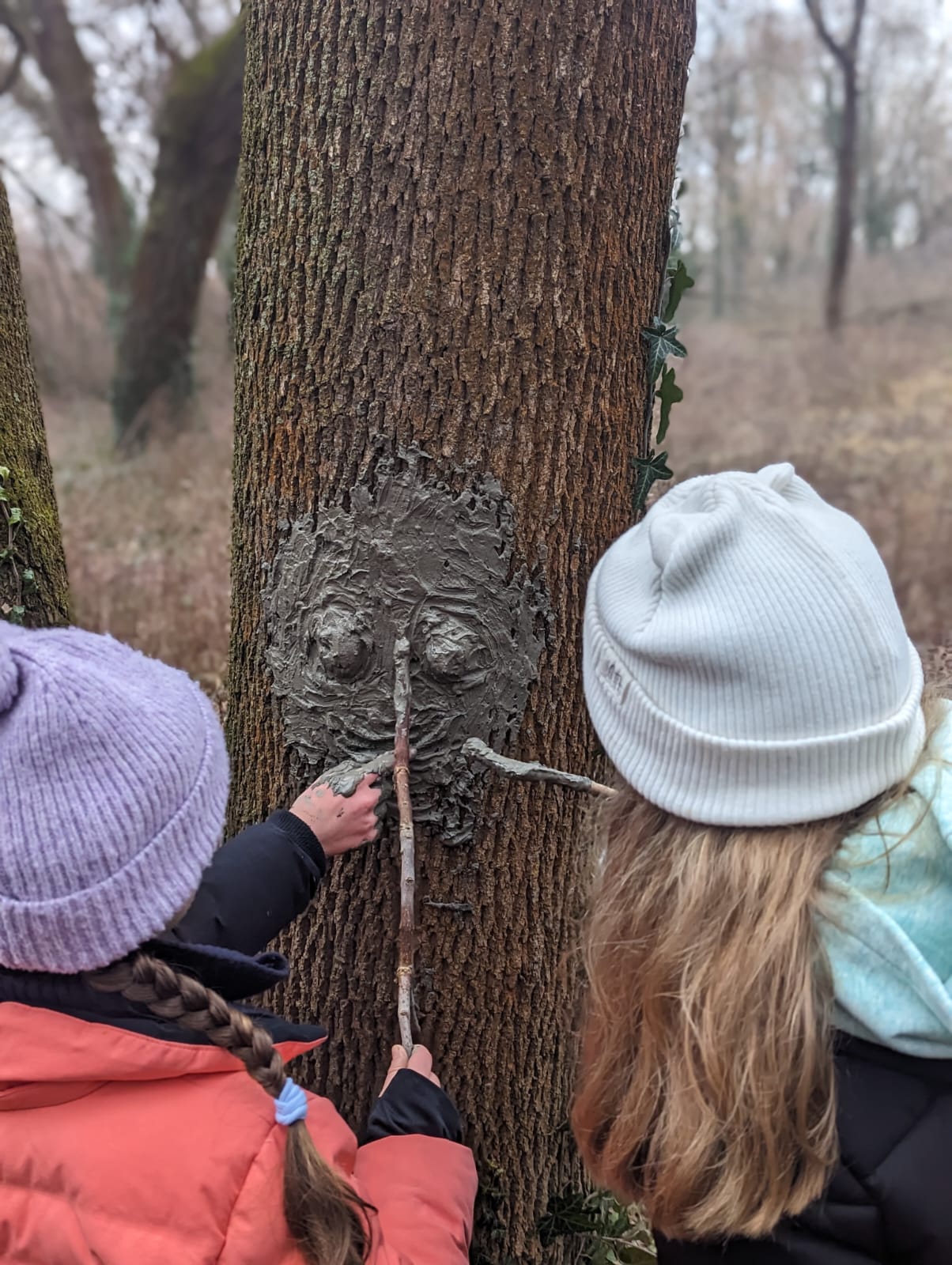
Naturbaserad konst
Aktiviteten utgår från landskapet och de naturmaterial som finns tillgängliga för användning. På så sätt kopplas människor samman med miljön när eleverna får uttrycka sig konstnärligt exempelvis genom att skapa…
Aktivitet:
2.4.5 -
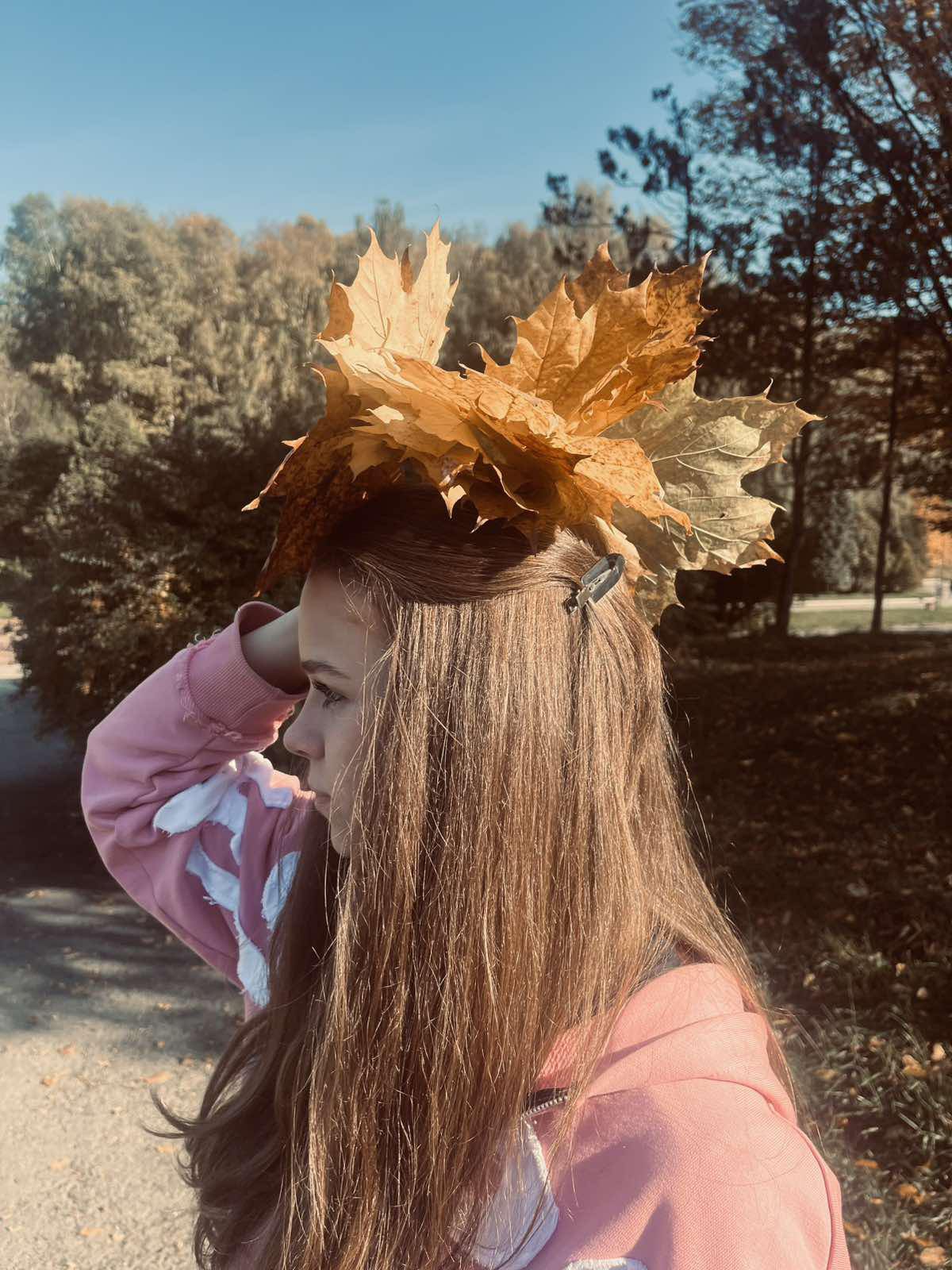
Högsta rådet för alla varelser
“Council of All Beings” fritt översatt till “Högsta rådet för alla varelser” är ett kraftfullt och väl etablerat verktyg inom utbildningar i miljö, personlig transformation och samhällsbyggande. Aktiviteten syftar till…
Aktivitet:
3.1.1 -

Ge växter och svampar en röst
Eleverna väljer en växt eller svamp (om möjligt får de gärna ta med den till lektionen/samtalet) och ges möjlighet att tala i dess namn, som naturens väktare eller som försvarare…
Aktivitet:
3.1.2 -
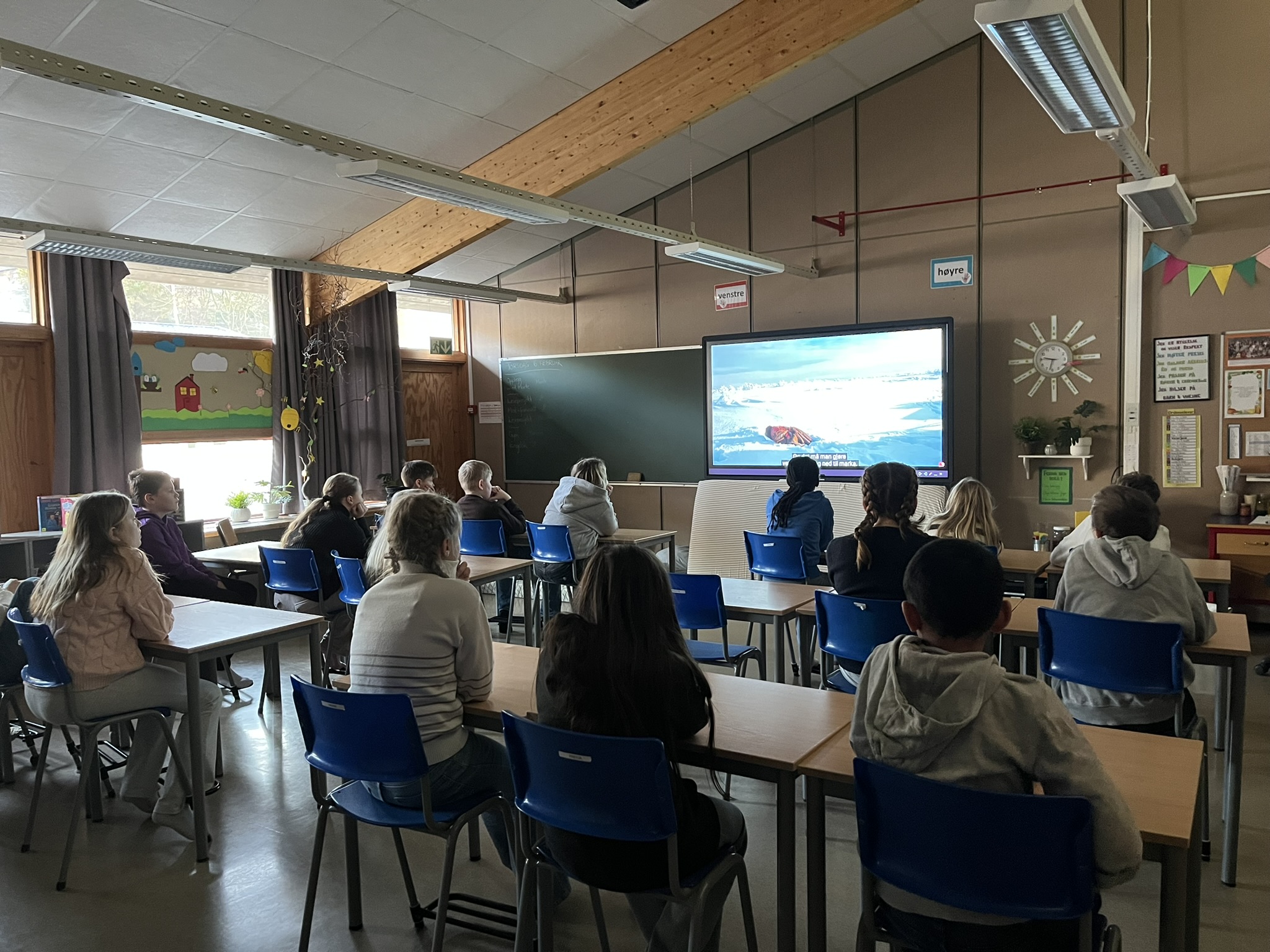
Lyssna till urfolks berättelser
Den här aktiviteten går ut på att lyssna till livsberättelser som berättas av urfolk. Det kan vara berättelser om vardagliga praktiker för att ta hand om jorden, skildringar av deras…
Aktivitet:
3.2.1 -
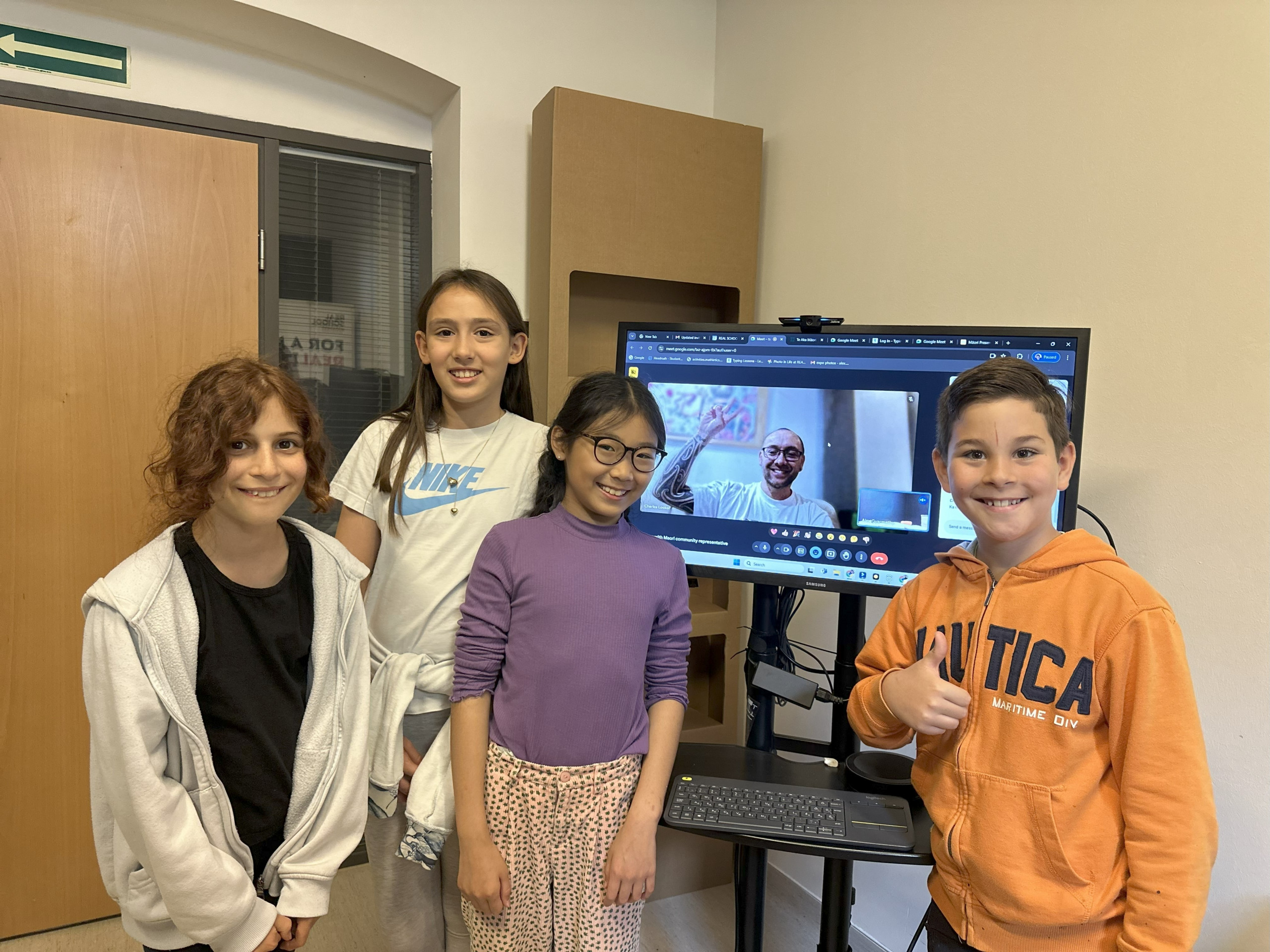
Delta i samtal med en person från ett urfolk
Om samtalet genomförs på ett etiskt sätt som bygger på fritt och informerat samtycke kan en direkt dialog bidra till en bättre förståelse av ursprungsbefolkningens kunskapssystem och praxis och skapa…
Aktivitet:
3.2.2 -
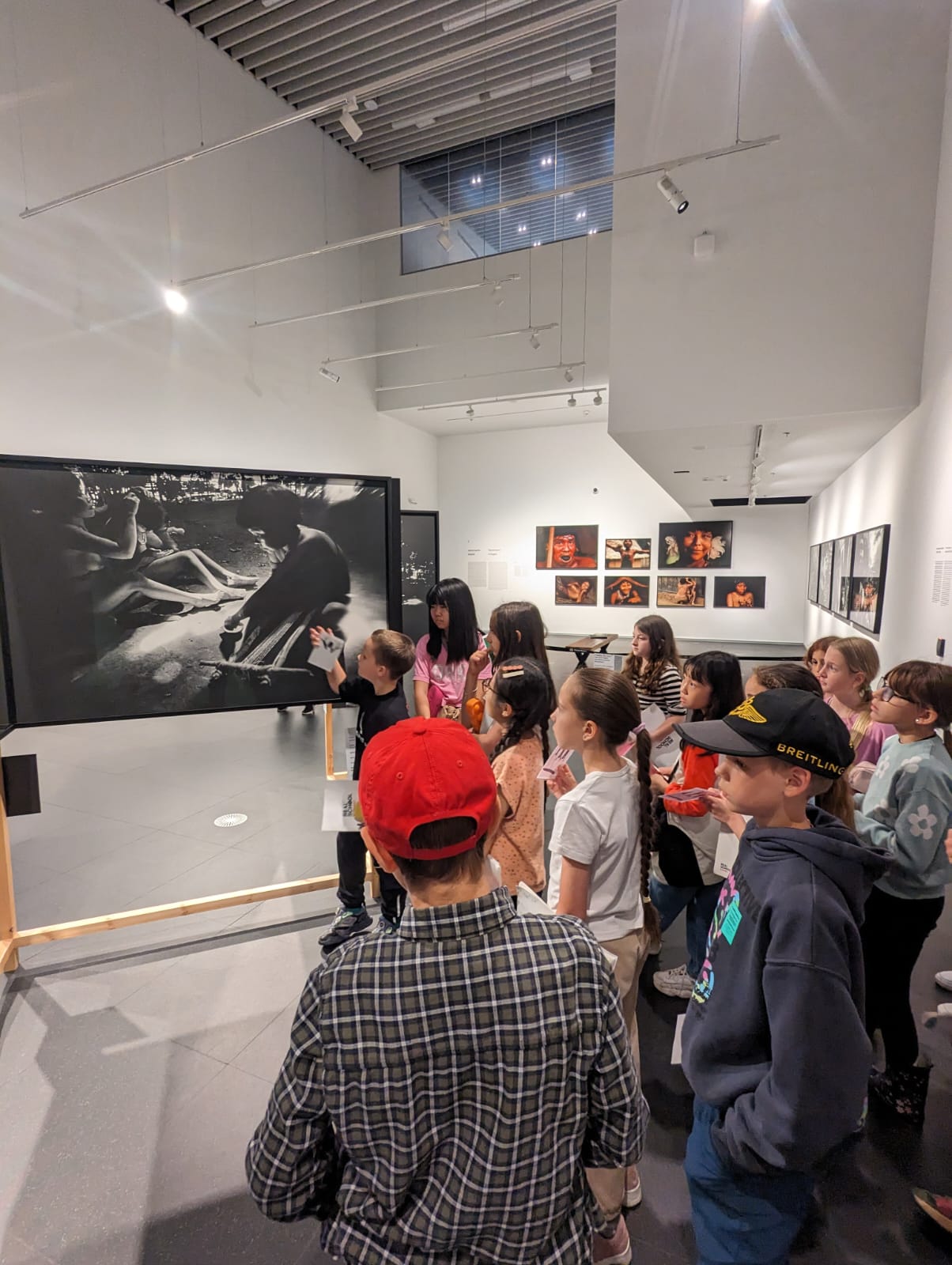
Lära genom konst eller kulturarv
Att ta del av urfolks konst eller kulturarv kan ge en djupare förståelse för de olika sätt på vilka urfolk relaterar till sig själva, till andra och till naturen. Det…
Aktivitet:
3.2.3 -

Lyssna till platsen: Utforska dina egna rötter
Den här aktiviteten bjuder in elever i alla åldrar att ta del av och lära sig från samiska eller andra urfolks perspektiv på land, tid och identitet genom berättande uttryckt…
Aktivitet:
3.2.4 -
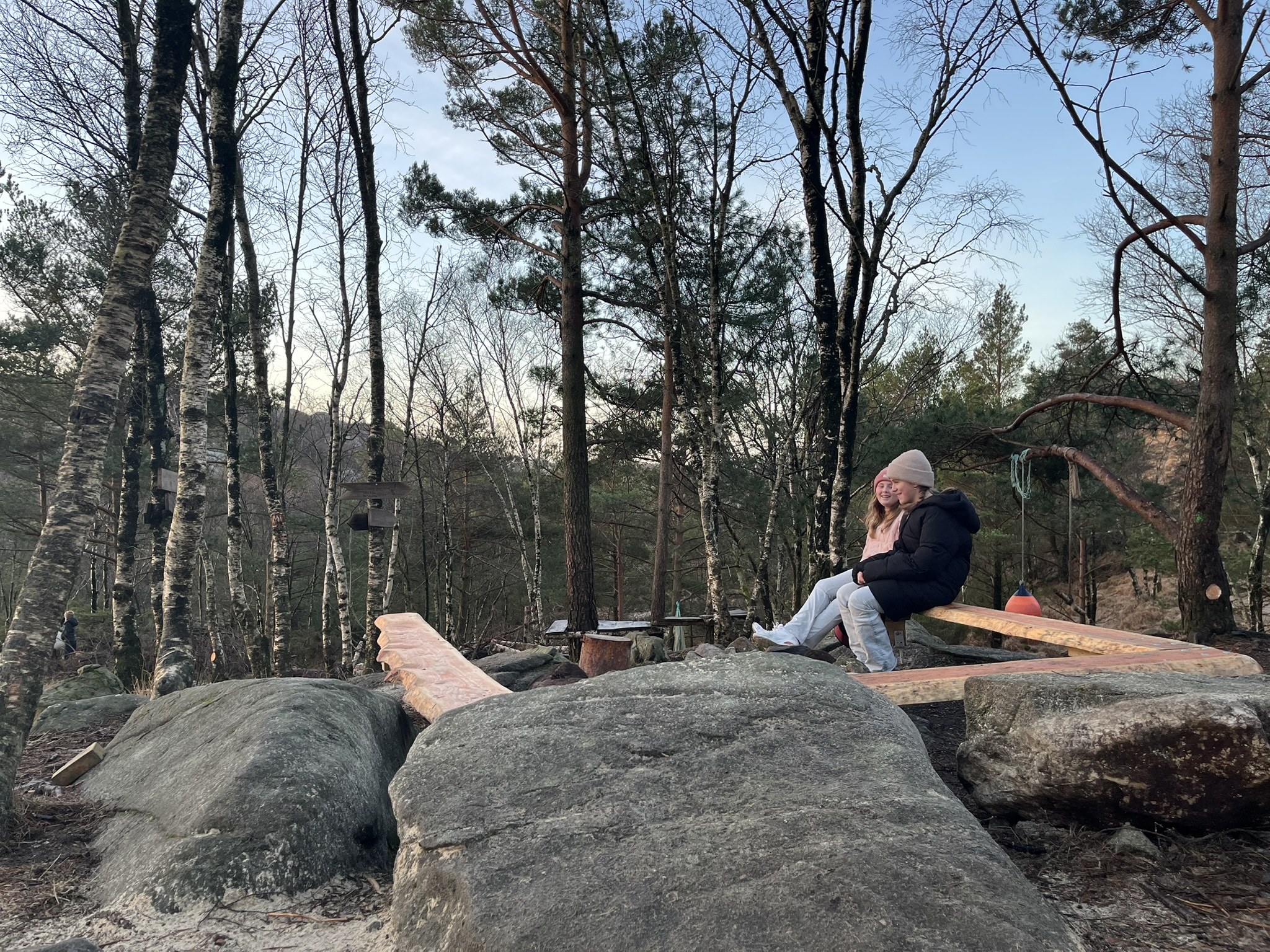
Aktivt lyssnande
Aktivt lyssnande är en grundläggande färdighet som kan användas i alla typer av situationer, och som särskilt kan hjälpa elever att uppskatta olika perspektiv samt att våga tala öppet om…
Aktivitet:
3.3.1 -
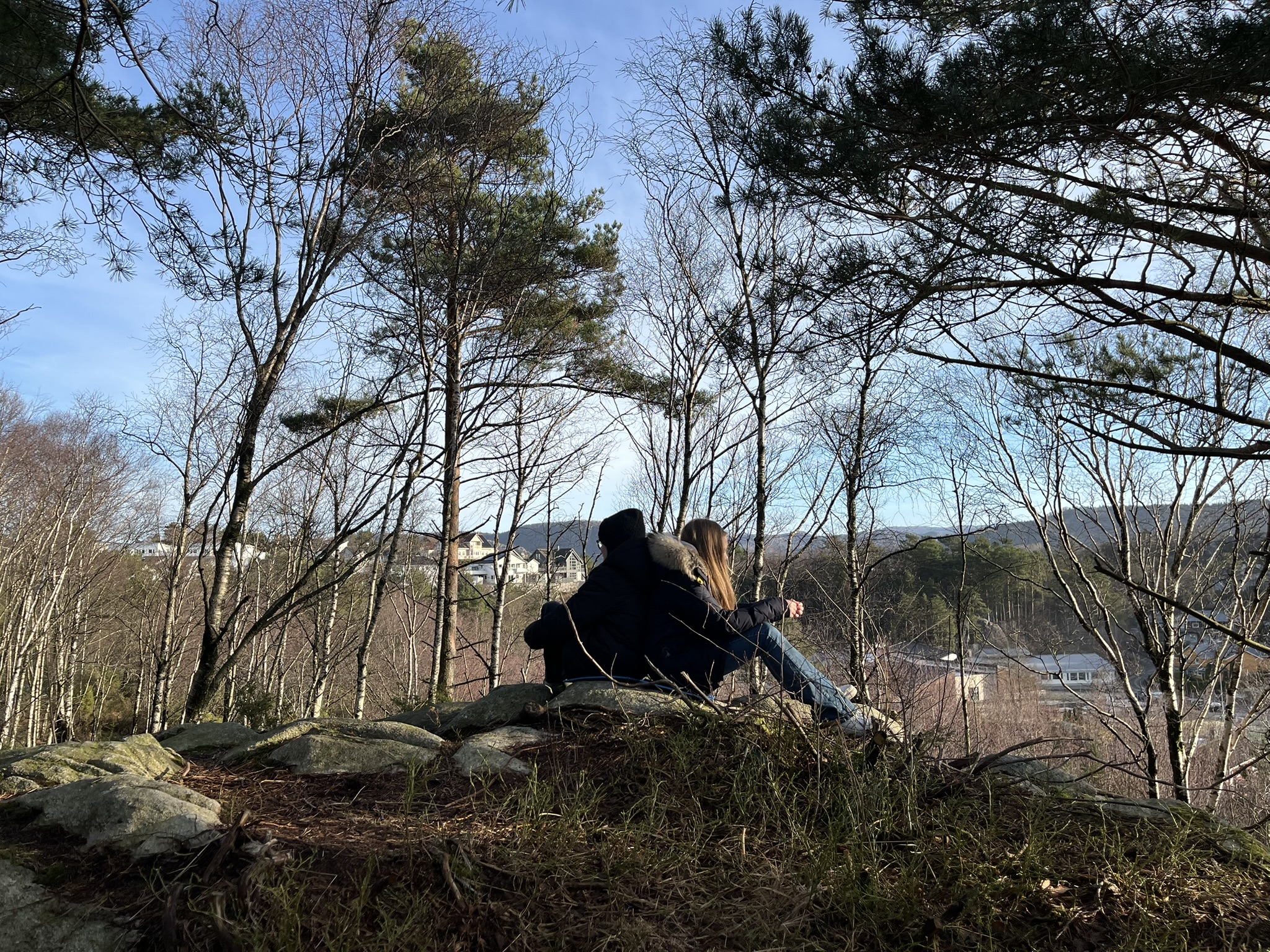
Djuplyssning till andra
Att lyssna på ett djupgående sätt på andra är en färdighet som kan hjälpa äldre elever – och lärare – att få tillgång till empati och djupa nivåer av intuition,…
Aktivitet:
3.3.2 -
Djuplyssning till sig själv
Djupt lyssnande på sig själv: Samma grundläggande metod används för denna färdighet på avancerad nivå. Det är en effektiv metod för att utveckla sin självkännedom, för att förbättra relationer och…
Aktivitet:
3.3.3 -

Isbergsmodellen
Isbergsmodellen hjälper oss att förstå i) våra beteendemönster, ii) system och strukturer, samt iii) de inre och kulturella dimensioner som ligger till grund för en viss situation, till exempel klimatkrisen.…
Aktivitet:
3.4.1 -
Vardagshjälte – använd din unika styrka
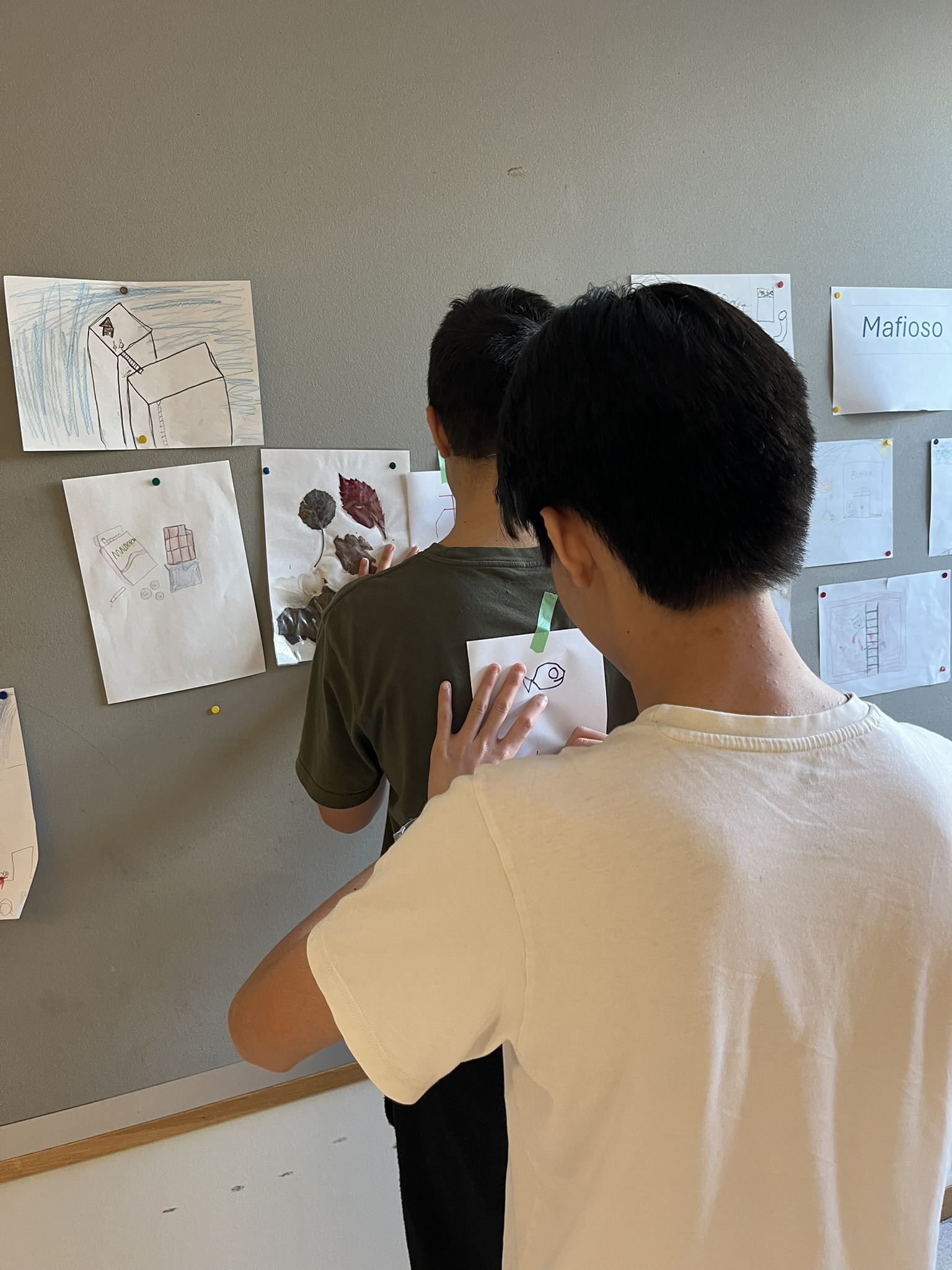
I den här aktiviteten får deltagarna utforska och fira sina personliga styrkor genom att bli vardagshjältar. Genom kreativ reflektion, uppmuntran från kamrater och enkla vardagshandlingar får de identifiera och öva…
Aktivitet:
3.5.1 -

Utforska dina värderingar
Våra individuella och gemensamma värderingar hänger samman, och de påverkar hur vi uppfattar och agerar i frågor som klimatförändringar. Den här aktiviteten handlar om att utforska vad vi människor har…
Aktivitet:
3.5.2 -

Hitta din ikigai
Ikigai är ett japanskt begrepp som oftast tolkas som det som ger ditt liv mening och syfte. Det är en metod som har blivit mycket populär i väst under de…
Aktivitet:
3.5.3 -
Solarpunk – utforska konst
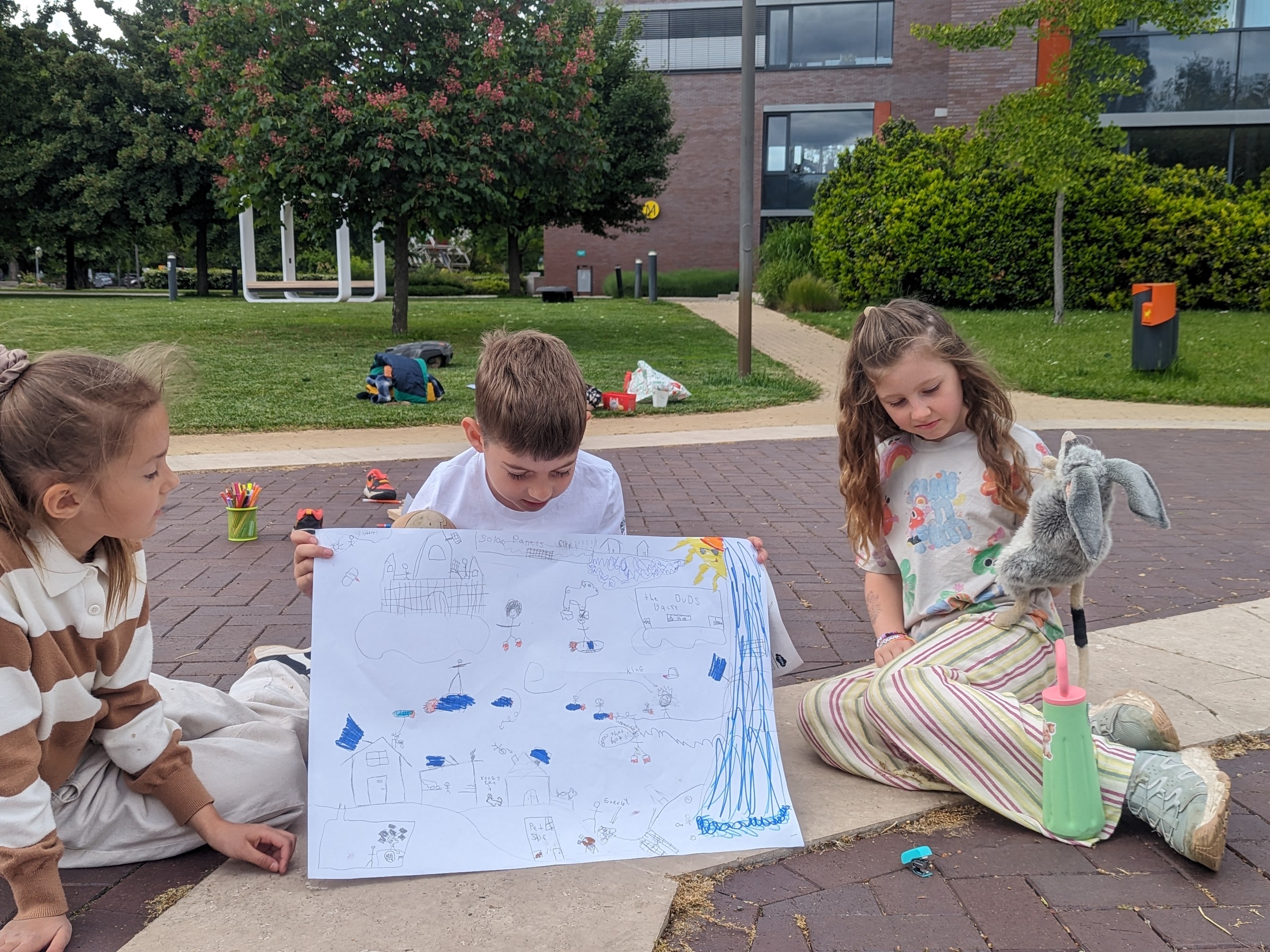
Solarpunk är en konstnärlig och litterär rörelse som både arbetar med visioner för och att förverkliga – en hållbar framtid i gemenskap och samhörighet med naturen. Genom att utforska bilder…
Aktivitet:
4.1.1 -

Ett fotografi från framtiden
I den här aktiviteten bjuds deltagarna in att reflektera över de förändringar de hoppas se i sitt samhälle, och att använda fotografi för att symbolisera dessa förändringar. Övningen kan hjälpa…
Aktivitet:
4.1.2 -

Utforska parallella världar
I den här aktiviteten bjuds eleverna in att utforska hur en parallell klimatresilient värld skulle kunna se ut och fungera. Eleverna får möjlighet att uppleva, beskriva och skapa berättelser om…
Aktivitet:
4.1.3 -
Föreställ dig den vackraste framtiden
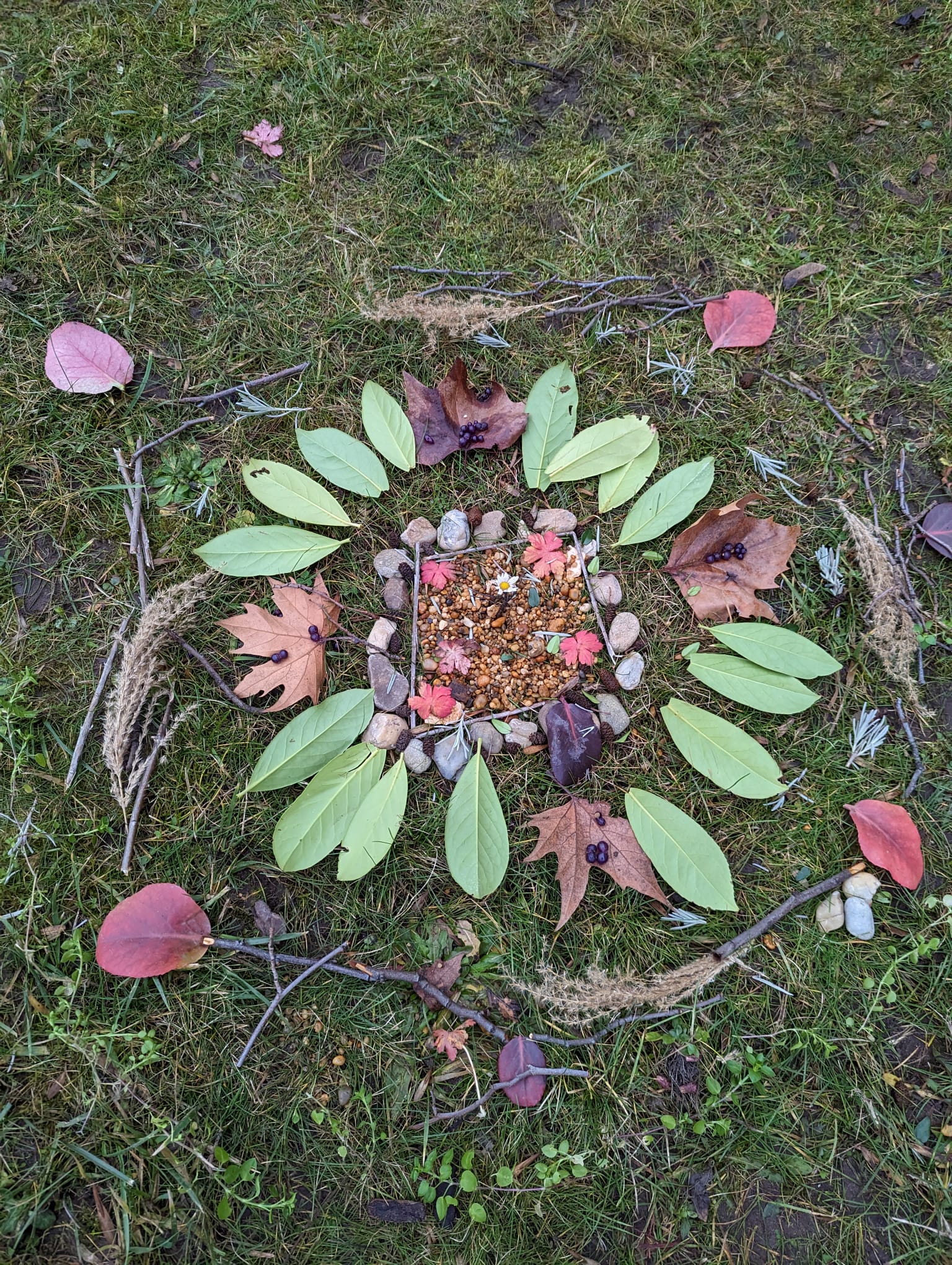
Den här aktiviteten är en enkel övning i att individuellt föreställa sig den vackraste klimatresilienta och regenerativa framtiden, och gestalta den (t.ex. i text, collage eller teckning) innan deltagarna delar…
Aktivitet:
4.2.1 -
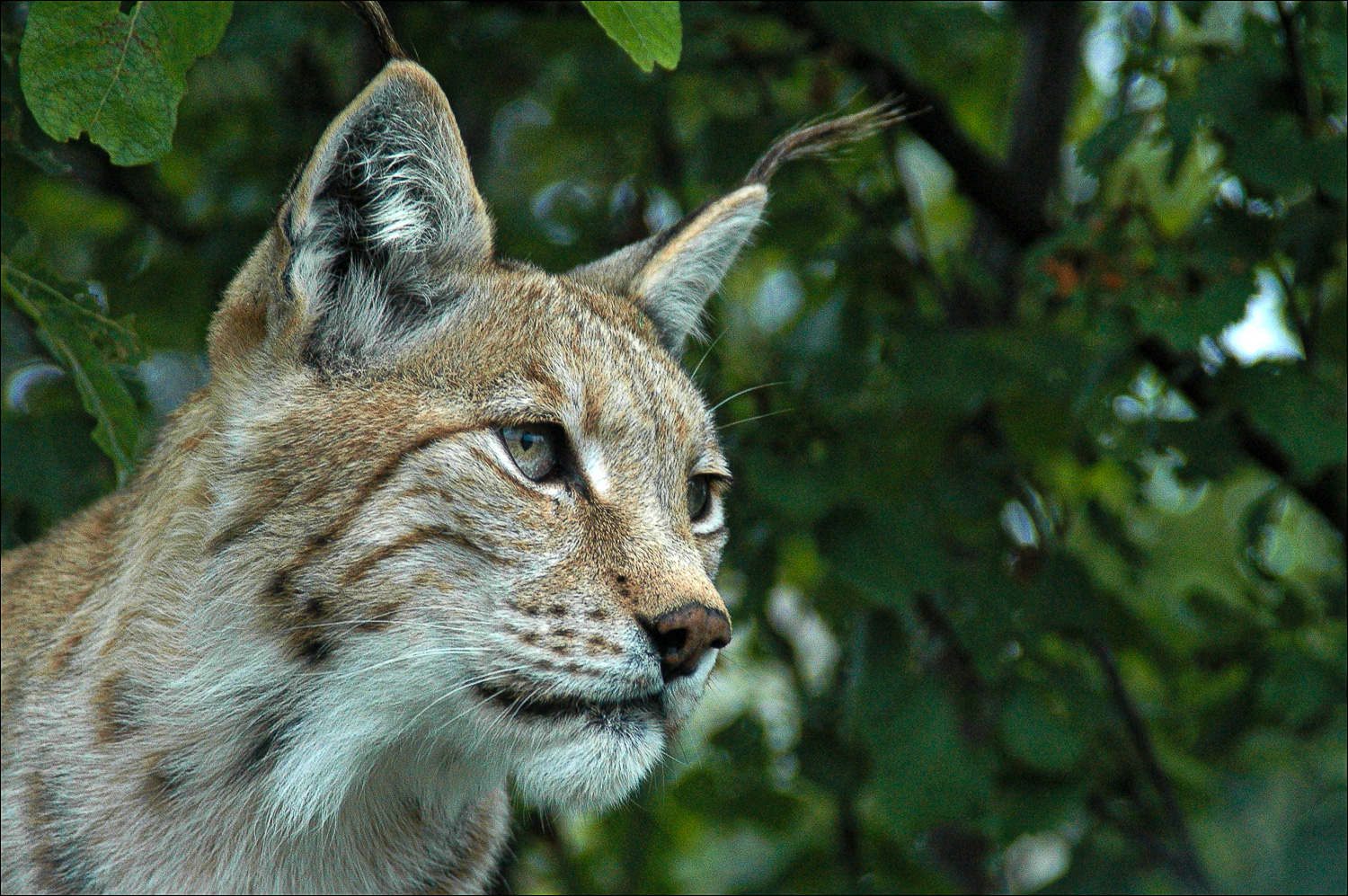
Futures Literacy Labs (FLL)
Futures Literacy Labs (FLL) bygger på en metod utvecklad av UNESCO och följer en fyrastegsprocess: att synliggöra önskvärda och sannolika framtider, att omforma/omtolka framtiden, att ställa nya frågor om nuet…
Aktivitet:
4.2.2 -

Framtidsspel
Olika kortlekar eller kreativa frågor kan användas med elever i olika åldrar (se resursavsnittet för mer information). Sådana kan introducera olika framtidsscenarier att utforska och leka med, eller ställa frågor…
Aktivitet:
4.3.1 -
Improviserat berättande
Deltagarna skapar tillsammans en berättelse om en mångfald av framtider genom ett teaterbaserat arbetssätt inspirerat av 826-modellen. Berättelsen inleds gemensamt, medan läraren och eventuella volontärer skriver ner och illustrerar den.…
Aktivitet:
4.3.2 -
Undersöka projekt som bidrar till resiliens och återskapande
Denna aktivitet går ut på att undersöka och lära sig om olika projekt – både lokala och runt om i världen – som främjar klimatanpassning och resiliens. Särskild uppmärksamhet bör…
Aktivitet:
4.4.1 -
Att skriva ett manifest eller en handbok
Denna aktivitet bygger på de nya regenerativa berättelser, till exempel om att bli en god förfader, eller bedriva politik som inkluderar mer-än-mänskliga perspektiv, som växer fram inom klimat- och miljöområdet…
Aktivitet:
4.4.2 -
Starta en skolkompost
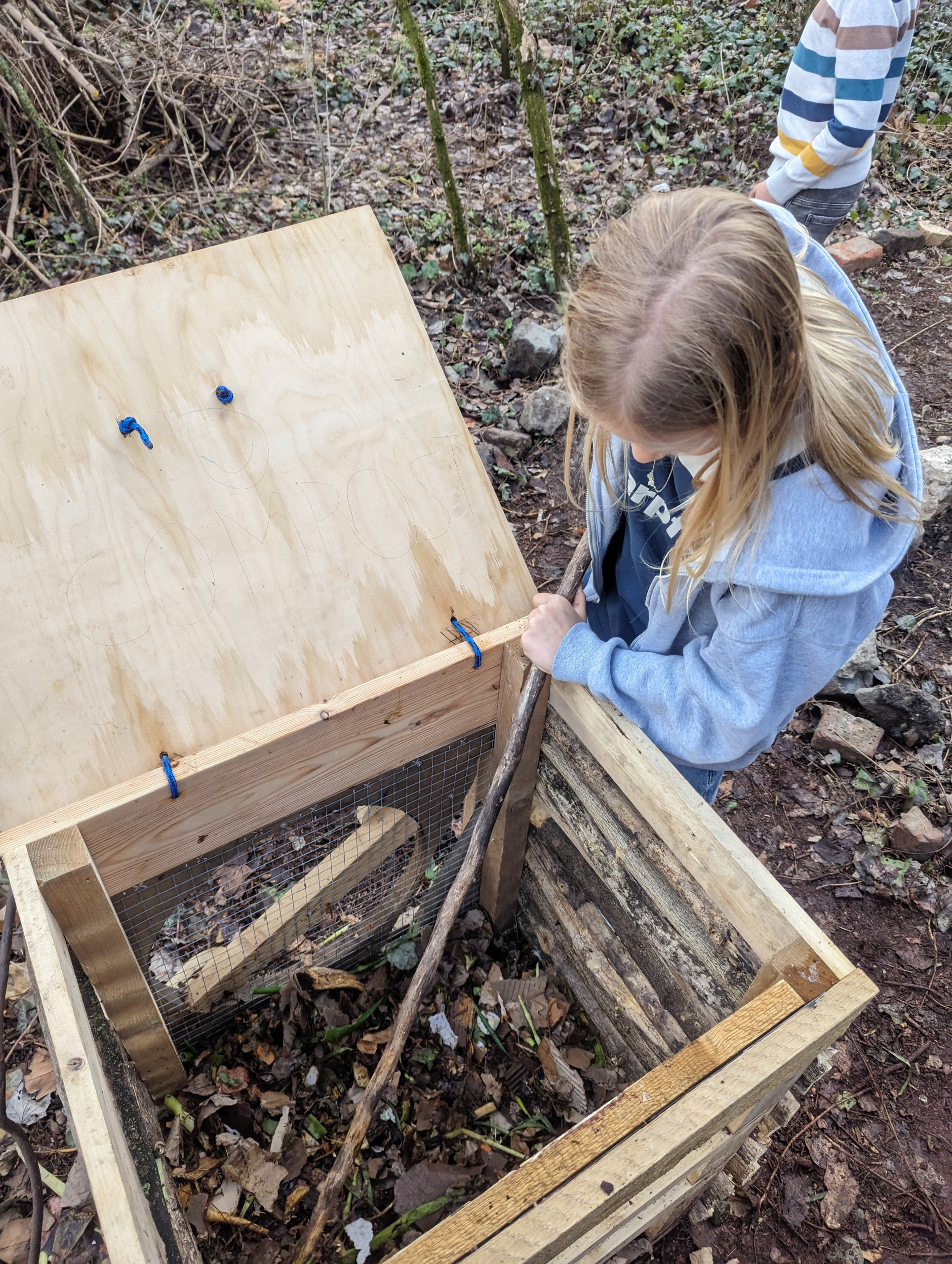
Att skapa en skolkompost är är ett praktiskt sätt att lära sig om hur vi kan återskapa jord, förbättra jordens kvalitet och balans samt alla mikroorganismers hälsa, och minska vårt…
Aktivitet:
5.1.1 -
Skapa och underhålla en permakulturträdgård
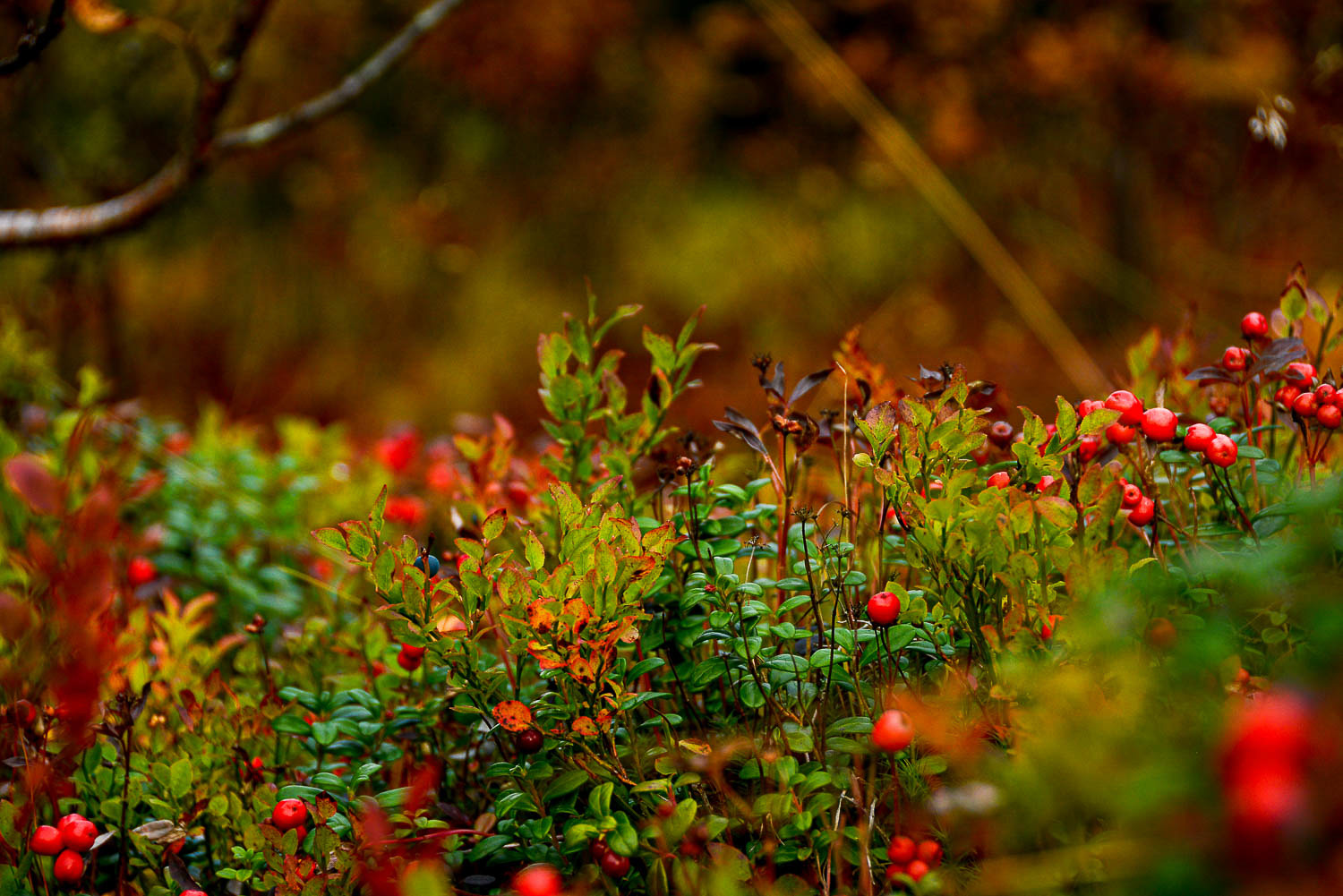
Den här aktiviteten går ut på att en klass eller elevgrupp tillsammans skapar en permakulturträdgård på skolans område eller i närområdet. Målet är att eleverna ska få uppleva och förstå…
Aktivitet:
5.1.2 -
Utforska och stödja lokala ekosystem
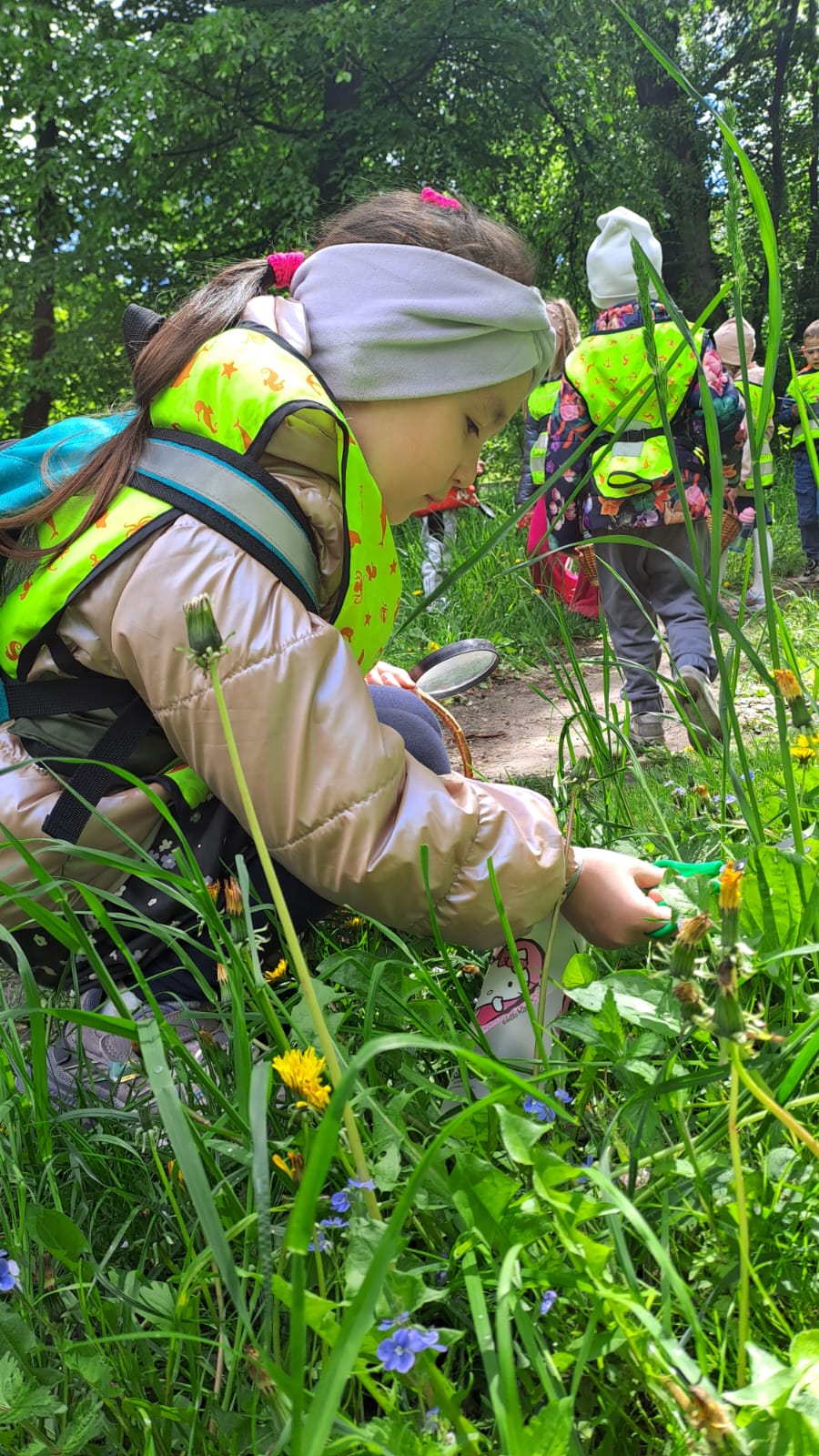
Denna aktivitet handlar om att lära känna ett specifikt ekosystem i det lokala området och att tillsammans ta initiativ för att stödja och vårda det. Att förstå sitt lokala ekosystem…
Aktivitet:
5.2.1 -
Lokala kartor
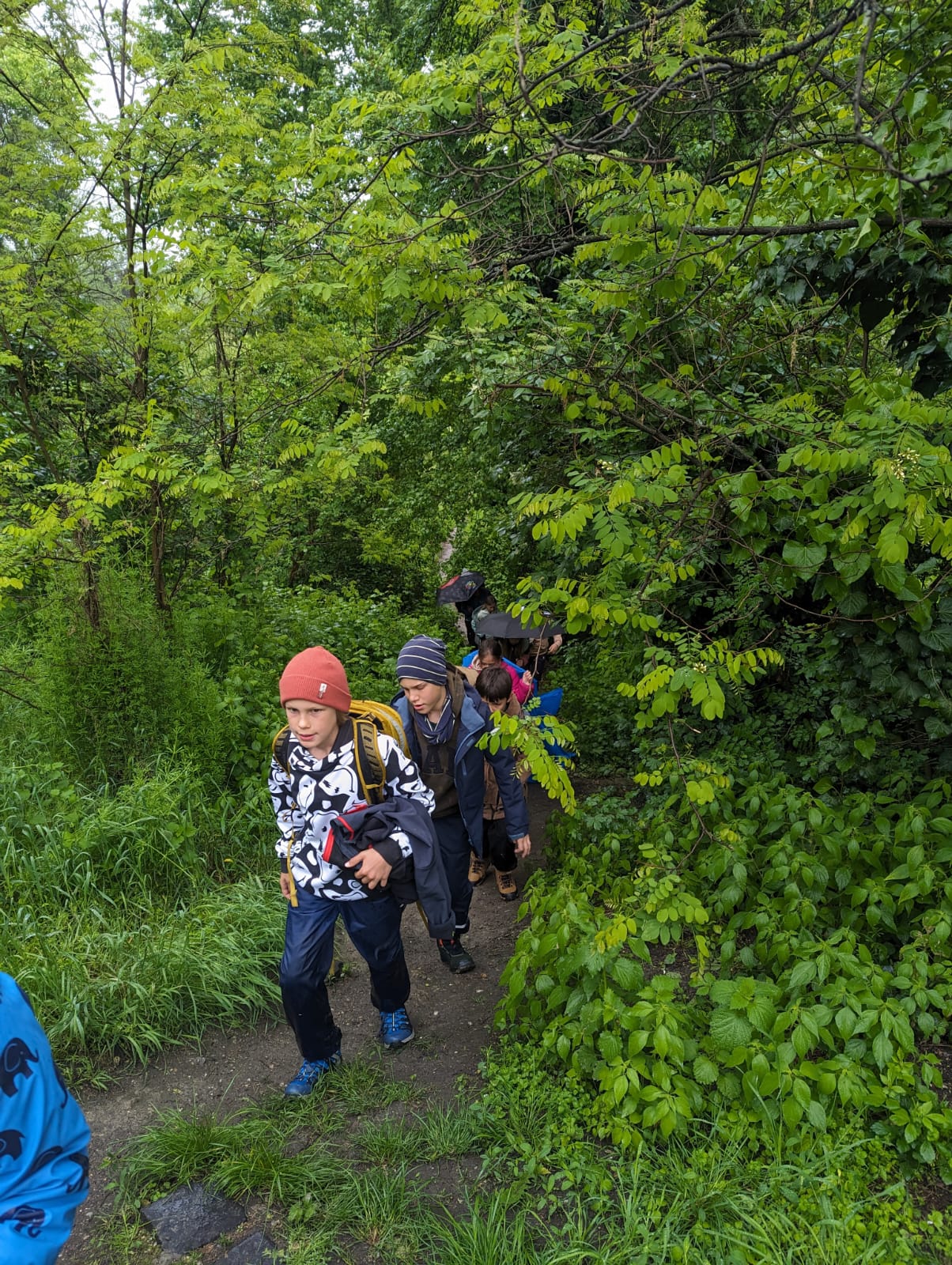
Arbete med lokala kartor – eller “klimatkartor” – hjälper eleverna att både förstå och visualisera vilka risker klimatförändringarna innebär i deras närområde, liksom vilka resurser som kan mobiliseras för att…
Aktivitet:
5.2.2 -
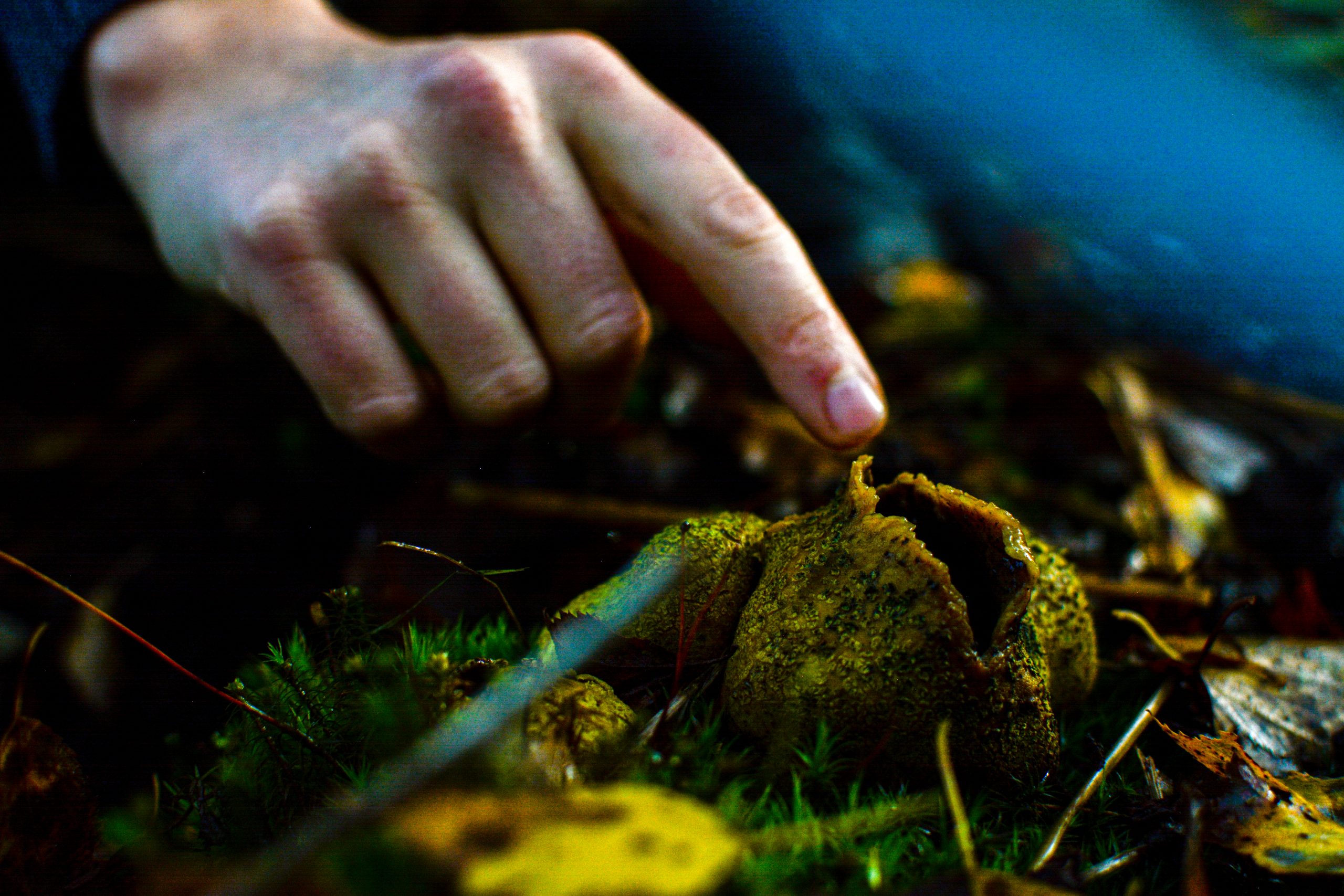
Stödja lokala åtgärder för klimatresiliens
Den här aktiviteten kan genomföras av unga vuxna på universitetsområden eller i privata/offentliga miljöer, med nödvändiga tillstånd. Syftet är att ge elever och studenter möjlighet att omsätta sina kunskaper i…
Aktivitet:
5.2.3 -

Skapa ett generationsöverskridande plagg
I den här uppgiften får eleverna utforska kläders värde och möta de problematiska sidorna av dagens snabba mode. De får också utforska kläder som inte enbart mode eller funktion, utan…
Aktivitet:
5.3.1 -
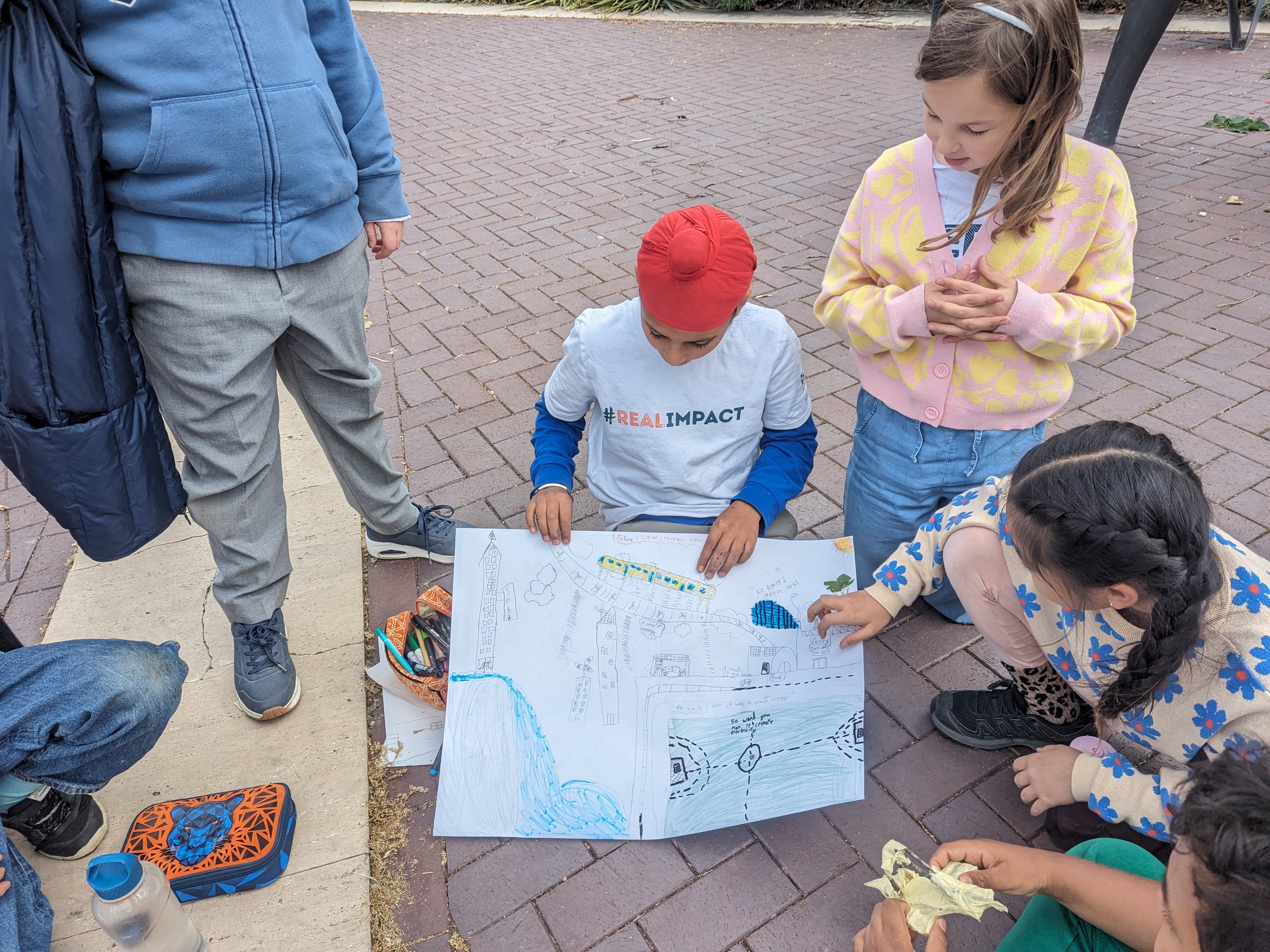
Skapa lärandeutbyten mellan skolor
Lärandeutbyten kan ske mellan skolor i olika sammanhang – till exempel stad/landsbygd, innerstad/ytterstad eller mellan det globala nord och det globala syd.Det kan handla om att dela med sig av…
Aktivitet:
5.3.2 -
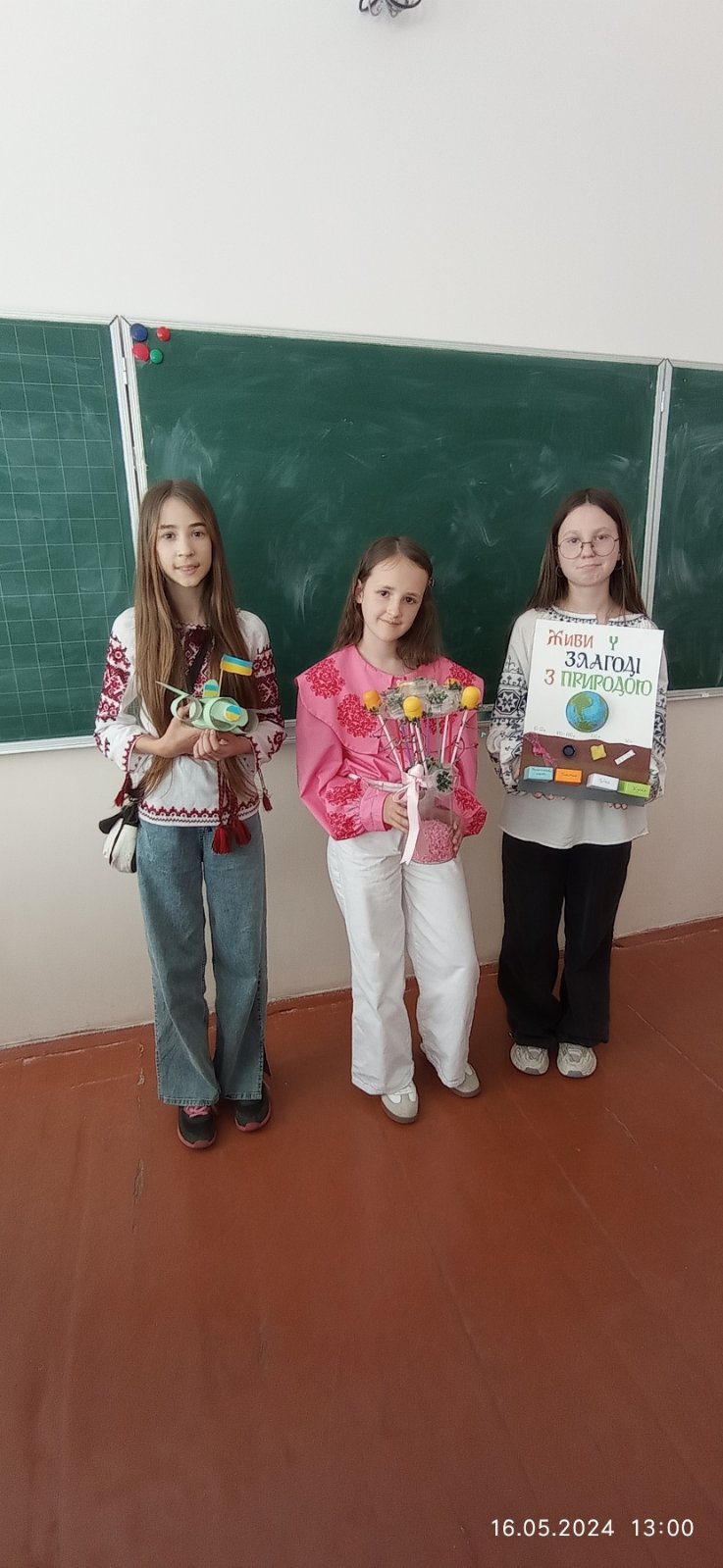
Konst av skräp
Denna aktivitet handlar om att städa en strand samtidigt som deltagarna har roligt, får stanna upp en stund och rikta sin uppmärksamhet mot kustmiljön och reflekteraröver möjligheten till gemensam förändring.…
Aktivitet:
5.4.1 -

Engagera sig i icke-våldsam kommunikation
Den här aktiviteten har utformats för att introducera begreppet icke-våldskommunikation i skolan. Ickevåldskommunikation (NVC) är en teknik som kan hjälpa dig och dina elever att diskutera svåra situationer och begrepp…
Aktivitet:
5.4.2 -

Kommunicera med empati
Den här aktiviteten har utformats för att introducera eleverna till begreppet empati och hur de kan kommunicera med varandra på ett empatiskt sätt. Som en del av den här aktiviteten…
Aktivitet:
5.4.3 -
Dilemmaspelet
När vi diskuterar klimatåtgärder ställs vi ofta inför dilemman där det finns begränsade resurser tillgängliga för att uppnå önskade mål och där varje alternativ har långtgående konsekvenser. I det här…
Aktivitet:
5.4.4