

Barn og unge kan ofte føle seg overveldet av nyheter om klima før de har verktøyene de trenger for å takle det.
CLARITY-verktøykassen hjelper lærere med å støtte emosjonell resiliens, fantasi, samhørighet og påvirkningskraft hos elevene. Les mer i introduksjonen:
Introduksjon til verktøykassen
Introduksjon til verktøykassen
Klimaundervisning for barn og unge står ved et vendepunkt. Elevene ser ofte diagrammer over økende CO₂-utslipp og hører historier om tap og skader lenge før de mestrer ferdighetene til å regulere følelsene sine eller se for seg en regenerativ framtid. Dette fører til økende klimaangst og en følelse av hjelpeløshet.
CLARITY-prosjektet – Transformative Climate Resiliens Education for Children and Youth: From Climate Anxiety to Resilience, Creativity, Connection & Regeneration – ble opprettet for å tette dette gapet ved å sette emosjonell trivsel, fantasi og kollektiv handlekraft i sentrum for læringen.
Denne verktøykassen er CLARITYs praktiske svar. Med utgangspunkt i CLARITYs kompetanserammeverk for transformativ klimaresiliens i utdanning for barn og unge, tilbyr CLARITY verktøy og undervisningsopplegg som integrerer ulike fagområder som psykologi, kunst og naturvitenskap, og som hjelper lærere med å fremme emosjonell resiliens sammen med transformativ kunnskap og ferdigheter.
Hvert verktøy er et frø: en kompakt, tilpasningsdyktig idé som er klar til å spire i ulike miljøer – byskoler, ungdomsklubber, universiteter, skogklasserom og skolefritidsordninger. Lærere inviteres til å plante, pleie og krysspollinere disse frøene, og tilpasse dem til sin lokale kontekst.
Hvorfor bruke denne verktøykassen?
- Som klimakompass: Holder alle fag – som naturfag, språk, kunst eller utendørs læring – rettet mot fire konkrete mål: Fellesskap, kreativitet, resiliens og regenerasjon.
- Hode-hjerte-hånd-tilnærming: Kombinerer økologisk kunnskap, kreative uttrykk og emosjonelle ferdigheter slik at elevenes tanker, følelser og handlinger forsterker hverandre.
- Traumebevisst og regenerasjonsdrevet: Hjelper elevene med å navigere i klimaresiliens og traumer, samtidig som de fremmer resiliens og regenerativ tenkning gjennom kollektiv handling.
- Klar når du er det: Kortene kan brukes til alt fra 10-minutters gnister til flere leksjoner eller lengre prosjekter; noen krever ingen forberedelser, mens andre krever betydelig forarbeid takket være bakgrunnsressurser for dypere dykk.
Slik bruker du verktøykassen: Bygge kompetanse over tid
Denne verktøykassen er utviklet for å støtte forandring i undervisningen om klimaresiliens – men det handler ikke om å krysse av aktiviteter. For å virkelig bygge kompetanse som empati, systemtenkning eller emosjonell kompetanse, må vi gå dypere.
Én aktivitet ≠ én kompetanse
Enkeltstående aktiviteter er gode innfallsporter. En takknemlighetsjournal kan sette i gang selvinnsikt. Et framtidsspill kan sette i gang fantasien. Men disse engangsøyeblikkene bygger ikke kompetanse aleine. Kompetanse – som evnen til å samarbeide, ta vare på økosystem eller regulere klimafølelser – utvikles gjennom gjentatte, lagdelte erfaringer over tid.
Kompetanse bygges opp over tid og med ulike verktøy
Kompetanse bygges ikke opp på ett enkelt øyeblikk. I stedet utvikles de gjennom flere aktiviteter, verktøy og refleksjoner, noen ganger over uker, måneder og år. Tenk på hver aktivitet som en byggekloss.
Noen verktøy kan (og bør!) brukes mer enn én gang. For eksempel kan “Inner Climate Journaling” eller “Sit Spot”-øvelser gjentas ukentlig eller sesongvis. Gjentagelsen hjelper elevene til å legge merke til endringer, utdype refleksjonen og følge med på sin personlige vekst. Hver gang de vender tilbake, får de ny innsikt. Nøkkelen er å vende tilbake til kjerneøvelsene, utvide dem og knytte dem til elevenes virkelige liv, verdier og følelser.
Tenk over rekkefølgen av verktøyene
TVerktøykassen fungerer best når verktøyene er sammenhenger i meningsfulle sekvenser. Du kan for eksempel starte med kontakt med naturen (kompetanseområde 2.4), gå over til utforskning av verdier (kompetanseområde 3.5), åpne opp for framtidsvisjoner (kompetanseområde 4.1) og deretter handle (kompetanseområde 5.2), samtidig som du skaper rom for emosjonell kompetanse og regulering av følelser (kompetanseområde 1.2 og 1.5) med jevne mellomrom. Sekvensering i læringsstier skaper sammenheng og støtter dypere læring.
Noen eksempler på læringsstier gjennom CLARITY-verktøykassen:
Eksempel A:
- Hjulet med klimafølelser (1.1.1) avdekker følelser før du starter.
- Langsom spasertur i naturen (2.4.1) vekker sanselig undring.
- Takknemlighetsjournal (2.1.2) forankrer positiv oppmerksomhet etter hver tur.
- Gi plantene en stemme (3.1.2) øker empatien ved å personifisere den lokale floraen.
- Kunst laget av søppel (5.4.1) gjør søppel om til et kollektivt kunstverk som hyller naturen.
Eksempel B:
- Klimakafé (1.3.1) bygger tillit og anerkjenner felles bekymringer.
- Aktiv lytting (3.3.1) praktiserer respektfull dialog.
- Se for seg den vakreste framtiden (4.2.1) åpner for kollektiv fantasi.
- Lokale kartografier (5.2.2) kartlegger lokalsamfunnets ressurser og risikoer.
- Støtte til lokale tiltak for klimaresiliens (5.2.3) utformer og implementerer en liten intervensjon.
- Refleksjonssirkel med indre klimadagbok (2.1.1) knytter følelser sammen med resultater.
Eksempel C:
- Aktiv lytting (3.3.1) for å introdusere elevene til lyttepraksis
- Dyp lytting med en partner (3.3.2) for å dykke dypere inn i forandring av lyttepraksis
- Lytte til innspilte historier fortalt av urfolk (3.2.1) for å øve ytterligere på lytteferdigheter og samtidig utforske ulike verdisystem
- Utforske urfolks kunst- eller kulturarv (3.2.3) for å dykke dypere inn i kosmologien og/eller de systemiske skadene som urfolk opplever når de beskytter og regenererer naturen.
NB: Gjennom hele læringsreisen, enten i løpet av aktivitetene eller mellom trinnene, er det viktig å introdusere verktøy og aktiviteter som støtter elevenes emosjonelle regulering (1.2., 1.3., 1.4.). På forhånd må lærerne også lære hvordan de kan skape et traumebevisst læringsrom (5.1.), blant annet ved å etablere en kultur preget av omsorg og trygghet (5.1.1) blant elevene.
Reflektere og gå tilbake
For å støtte kompetanseutviklingen bør du oppmuntre elevene til å reflektere regelmessig, for eksempel gjennom dagbokskriving, gruppesirkler eller kreative uttrykk. Bruk refleksjon til å skape fellesskap mellom tidligere erfaringer og nye. Kompetanser som emosjonell kompetanse, aktivt håp eller regenerativ tenkning blir synlige når elevene kan navngi, anvende og tilpasse dem i nye sammenhenger.
En åpen invitasjon
Utdanning kan enten forsterke fortvilelse eller gi grobunn for regenerasjon. Ved å bruke og dele disse verktøyene blir du en del av et voksende fellesskap av lærere som hjelper unge mennesker med å gå fra å oppleve klimaangst til å skape en klimaresilient, kreativ og regenerativ framtid. La oss sammen skape de læringsrommene som en blomstrende planet så sårt trenger.
Verktøykassens struktur
Verktøykassens struktur
- Kompetanseområde 1: Skape et trygt rom for klimafølelser og traumer
- Kompetanseområde 2: Nære kontakten med seg selv, andre og naturen
- 2.1: Klimadagbok
- 2.2: Dele historier om naturen
- 2.3: Utforske kontakt med andre dyr
- 2.4: Vie tid til naturen
- Kompetanseområde 3: Omfavne verdier som ivaretar alle levende vesener
- 3.1: Tilhørighet til naturen
- 3.2: Lære av urfolk
- 3.3: Lytting
- 3.4: Utforske isfjellet
- 3.5: Utforsk drivkraften din
- Kompetanseområde 4: Åpne et mangfold av klimaresiliente og regenerative framtider
- Kompetanseområde 5: Samskaping for klimaresiliens, regenerasjon av økosystemer, og sosial transformasjon
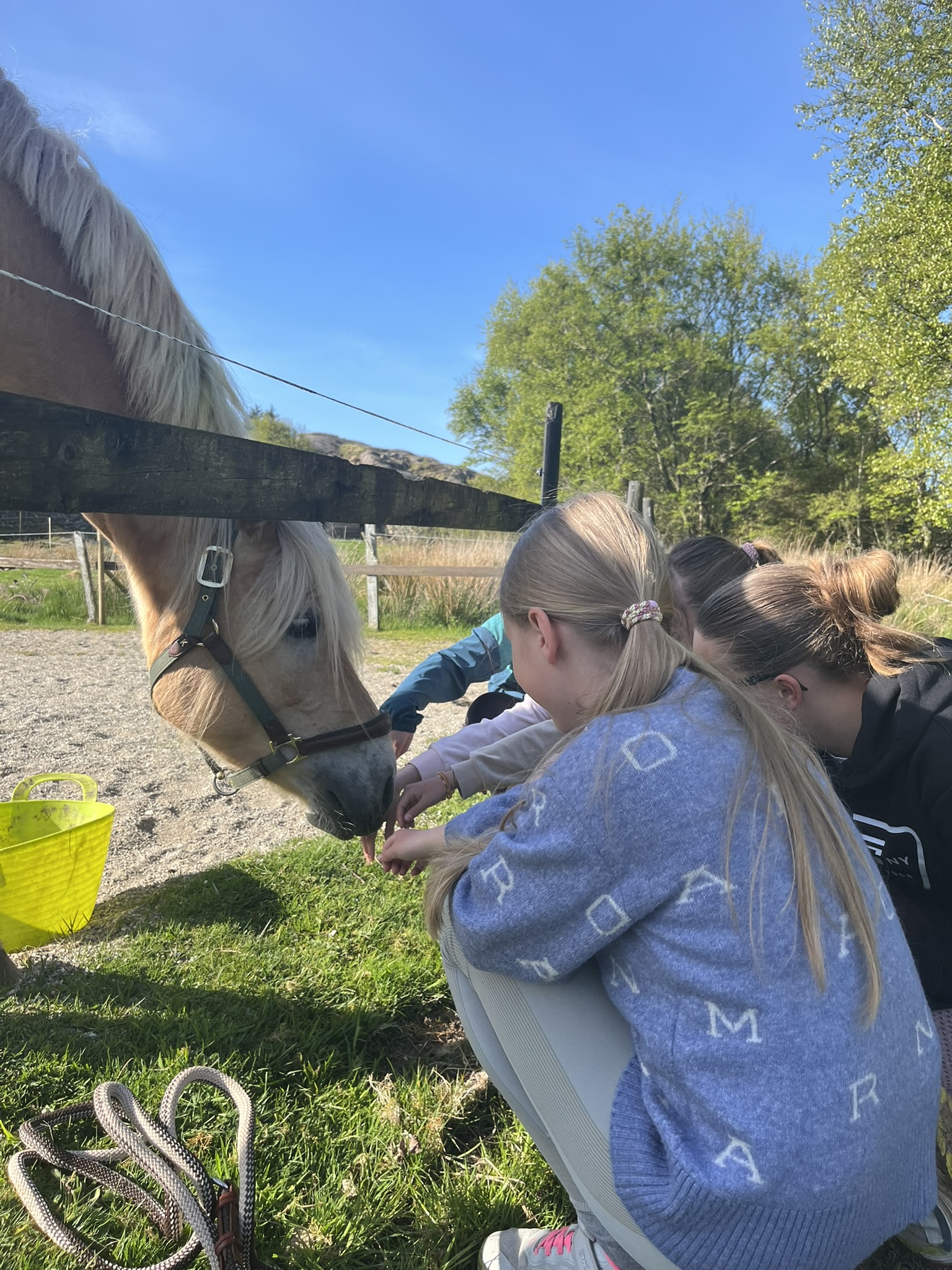
CLARITYs verktøykasse
Filtrer verktøyene
Søk
Aldersgruppe
Varighet
Utendørs/innendørs
Gruppestørrelse
Vanskelighetsgrad
Kobling til læreplan
Nøkkelkompetanser
-
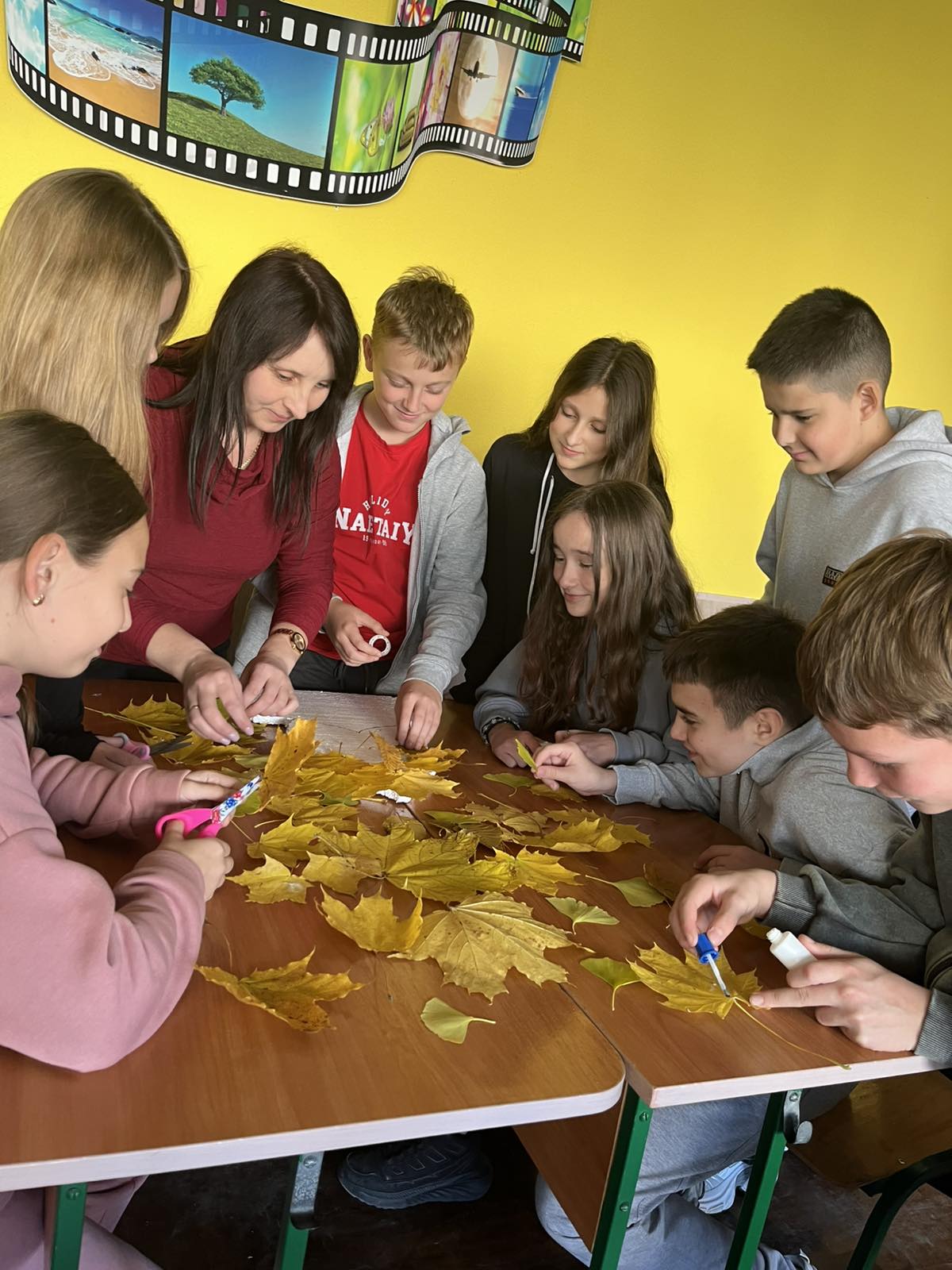
En kultur preget av trygghet og omsorg
Dette verktøyet er for lærere. Det er en forutsetning og en grunnleggende aktivitet for at alle andre aktiviteter knyttet til klimafølelser skal være effektive, virkningsfulle og ikke føre til flere…
Verktøy:
1.1.1 -

Raske selvreguleringsteknikker for lærere
Dette verktøyet hjelper deg, læreren, med å regulere ditt eget nervesystem, slik at du best mulig kan støtte elevene dine når de føler seg engstelige eller opplever dysregulering. Selvreguleringsteknikkene kan…
Verktøy:
1.1.2 -

Nyttige manus for å støtte elever
Manusene som presenteres nedenfor kan hjelpe lærere med å støtte elevene når de opplever emosjonell dysregulering individuelt, eller når de sammen opplever klimaendringer som kan være traumatiske. Manusene erstatter ikke…
Verktøy:
1.1.3 -
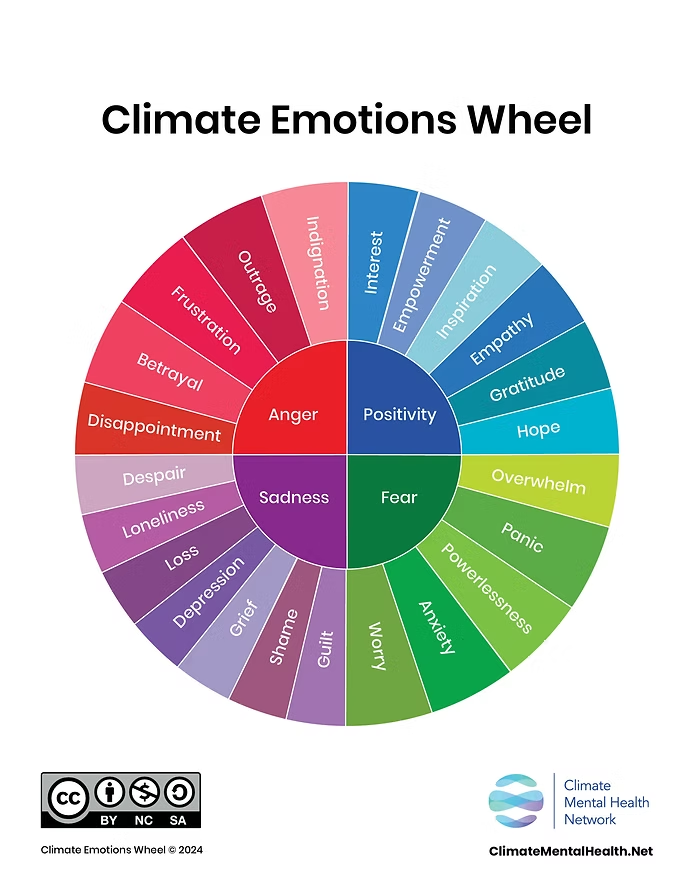
Hjulet med klimafølelser
Ved å bli kjent med de ulike følelsene som presenteres på hjulet med klimafølelser, kan elever og lærere få hjelp til å sette ord på følelsene som kommer til uttrykk…
Verktøy:
1.2.1 -
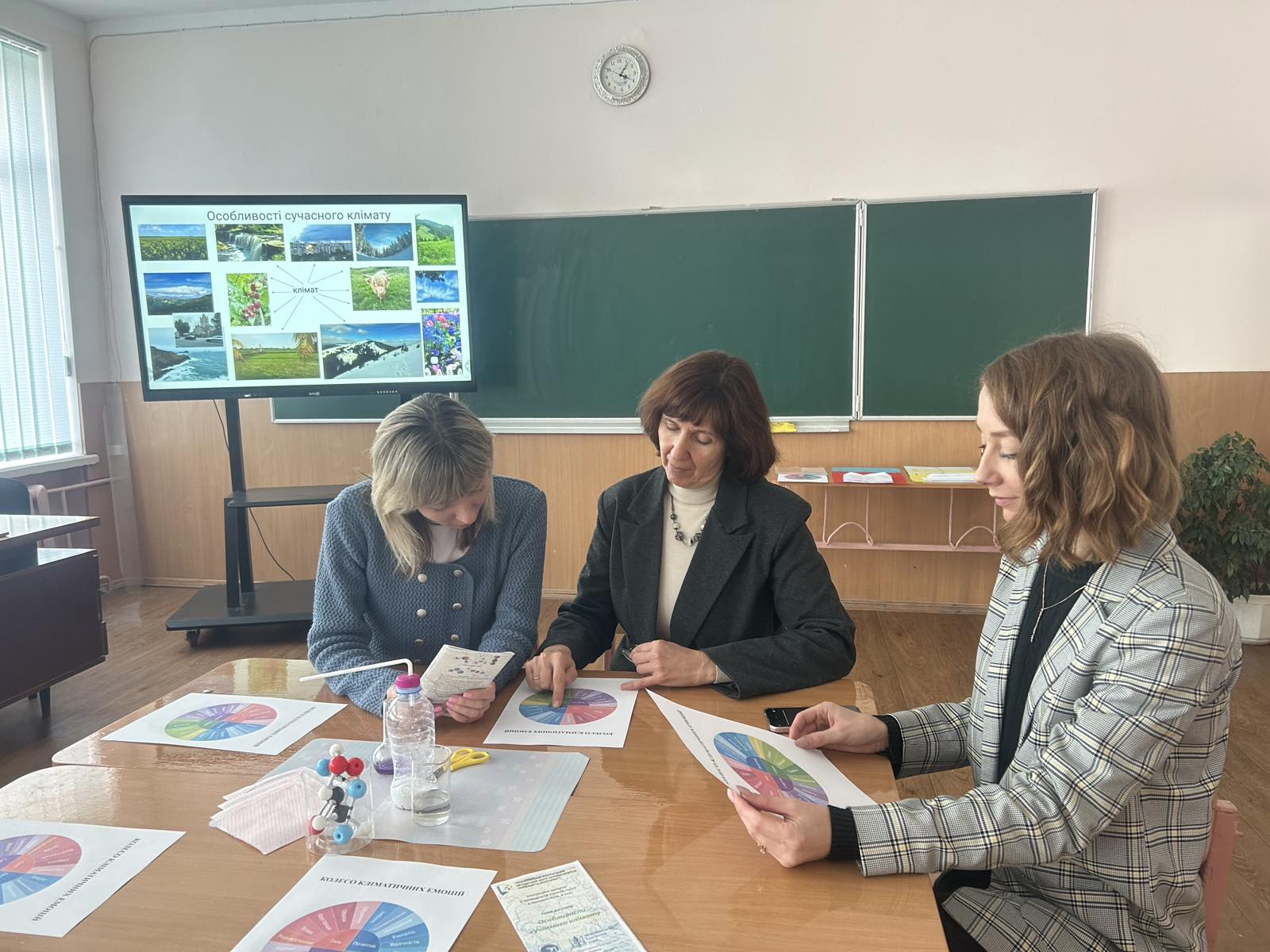
Check-in om følelser
Daglige check-ins om følelser gir kontinuitet, og hjelper lærere med å etablere en rutine som integrerer emosjonell kompetanse og omsorg. Denne rutinen kan være utfordrende i begynnelsen, hvis du ikke…
Verktøy:
1.2.2 -
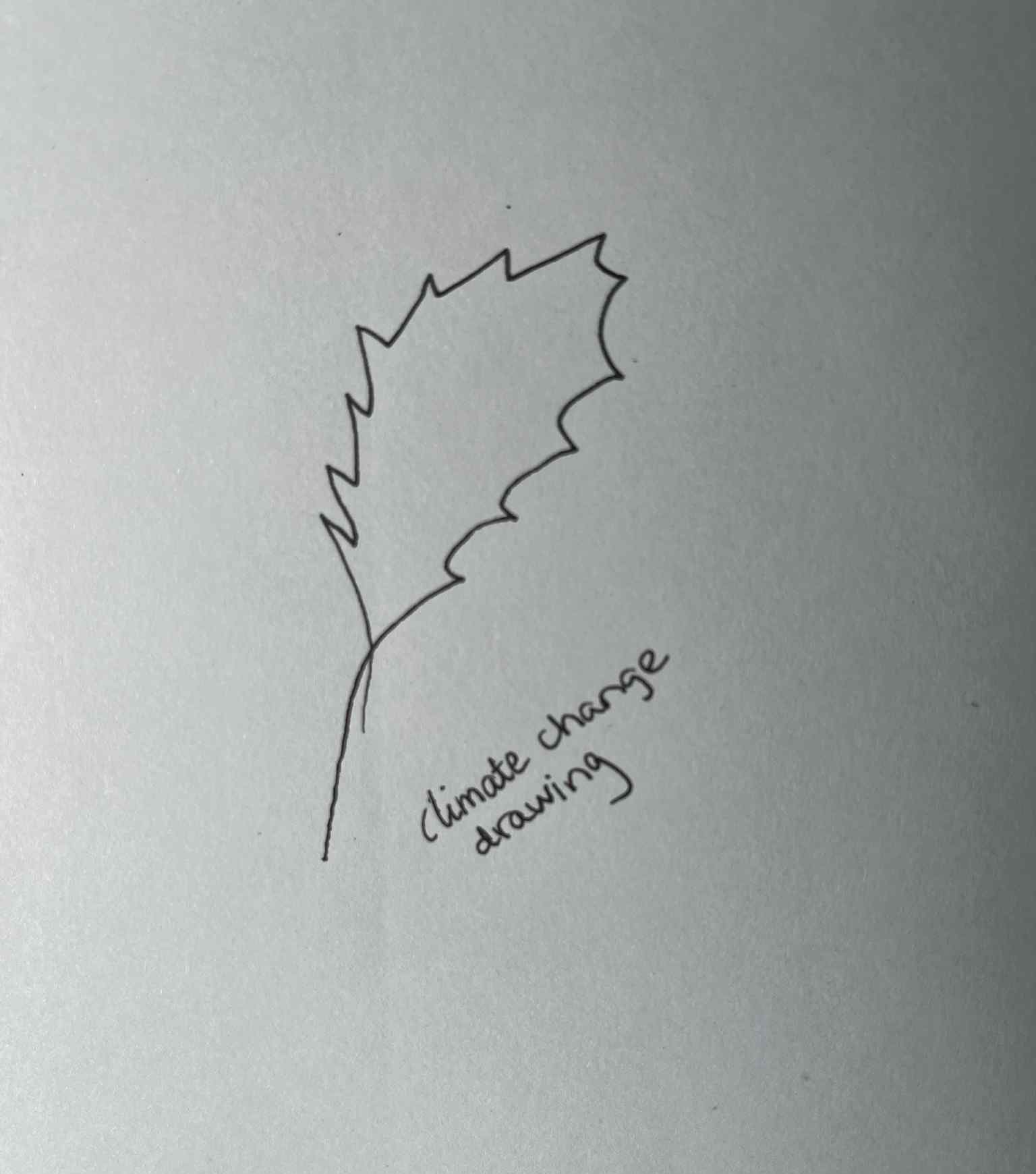
Tegne symboler for klimafølelser
Denne kunstneriske øvelsen bidrar til å utforske klimafølelser ved at elevene tegner symboler for følelsene sine knyttet til klimaendringene på en lapp eller på ryggen til en medelev, for deretter…
Verktøy:
1.2.3 -
Uttrykke klimafølelser med kroppen
Denne gruppeøvelsen går ut på å uttrykke følelser knyttet til klimaendringer gjennom kroppsholdning og/eller bevegelse. Denne øvelsen kan bidra til å uttrykke følelser som vi ikke har ord for, eller…
Verktøy:
1.2.4 -
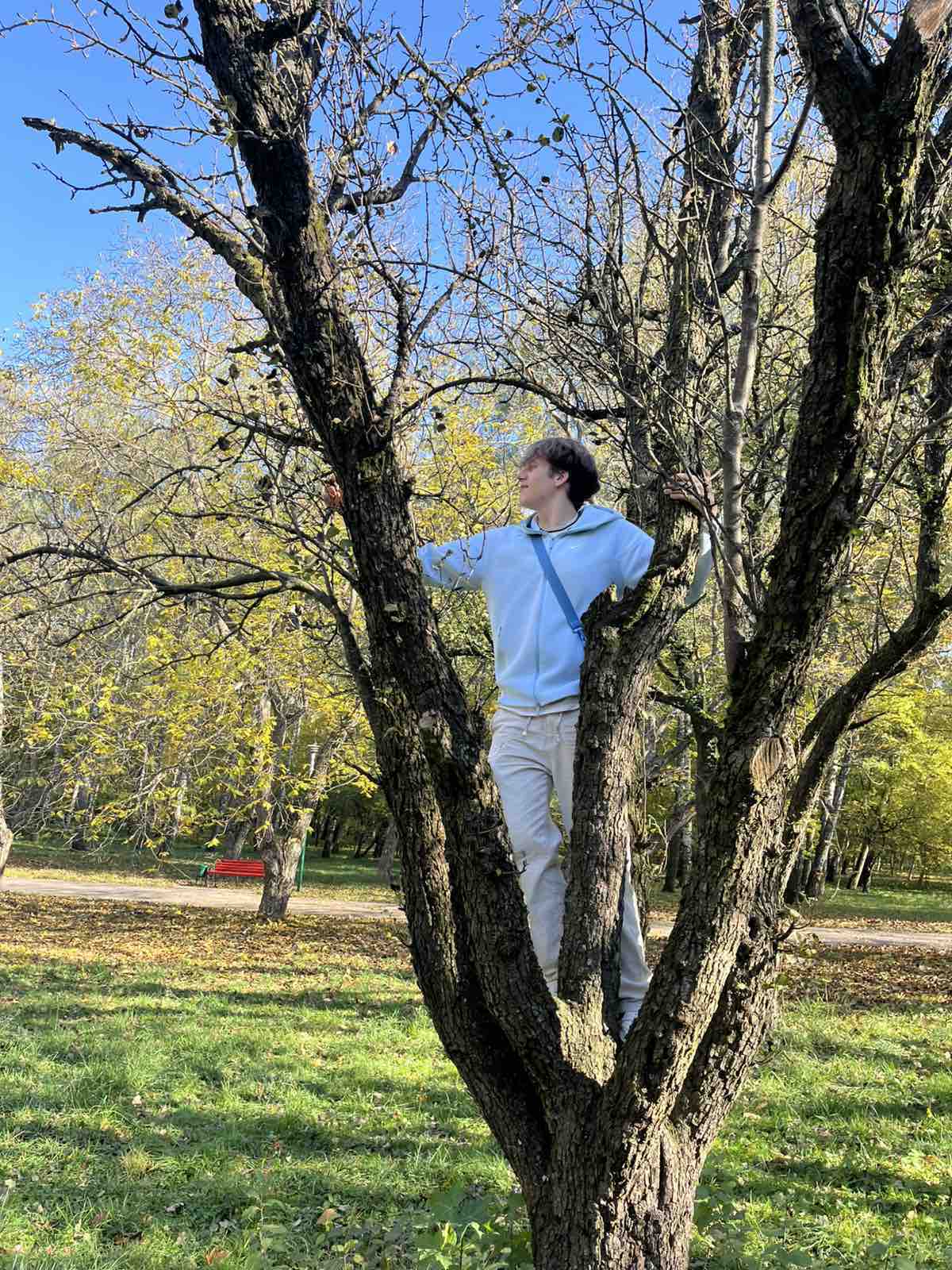
Bevisst pusting
Øvelser som bevisst (mindful) pusting, bevisst spising eller bevisste gåturer bør inngå som en del av en daglig eller ukentlig rutine (en egenomsorgsplan) for å sikre at elevenes emosjonelle og…
Verktøy:
1.3.1 -
Beroligende bevegelser
En serie enkle bevegelser som elevene kan gjøre når de føler angst, uro eller overveldelse på grunn av klimaendringene.
Verktøy:
1.3.2 -

Bevisst gåtur og bevisst spising
Dette verktøyet handler om å gjøre hverdagslige ting mer bevisst, med mer tilstedeværelse og mindfulness. Verktøyet kan gi deg praktiske måter å håndtere overveldelse, stress og angst på, enten i…
Verktøy:
1.3.3 -
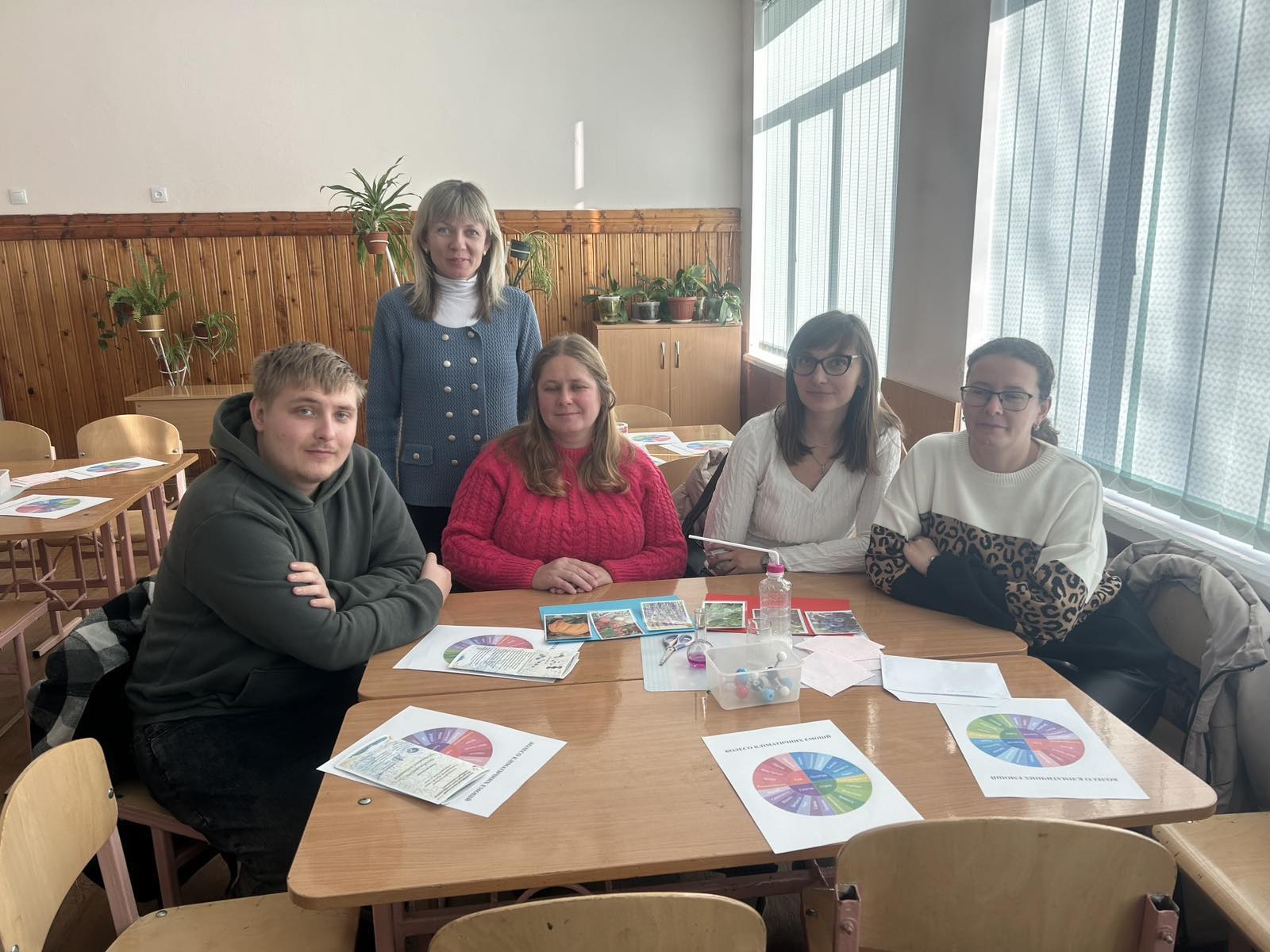
Klimakafé
En klimakafé (eller klimasirkel) er en mulighet for folk som ønsker det til å komme sammen og dele følelser de føler i forbindelse med klimaendringene, i en trygg setting der…
Verktøy:
1.4.1 -
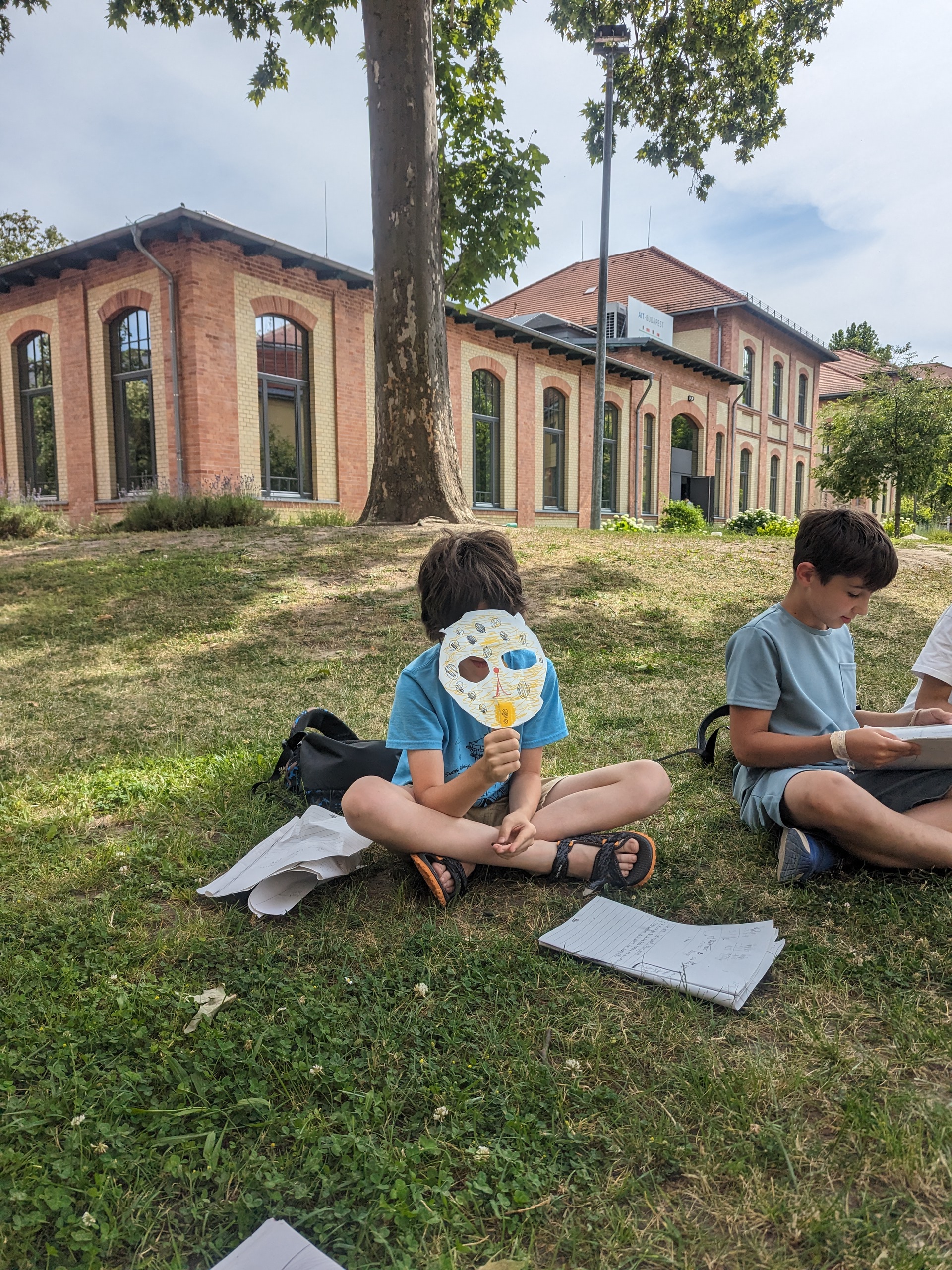
Kreative aktiviteter
Kreative aktiviteter kan bidra til å uttrykke, utforske og gå dypere inn i klimafølelser. Slike kreative aktiviteter kan for eksempel være å skrive korte dikt (for eksempel en haiku eller…
Verktøy:
1.4.2 -
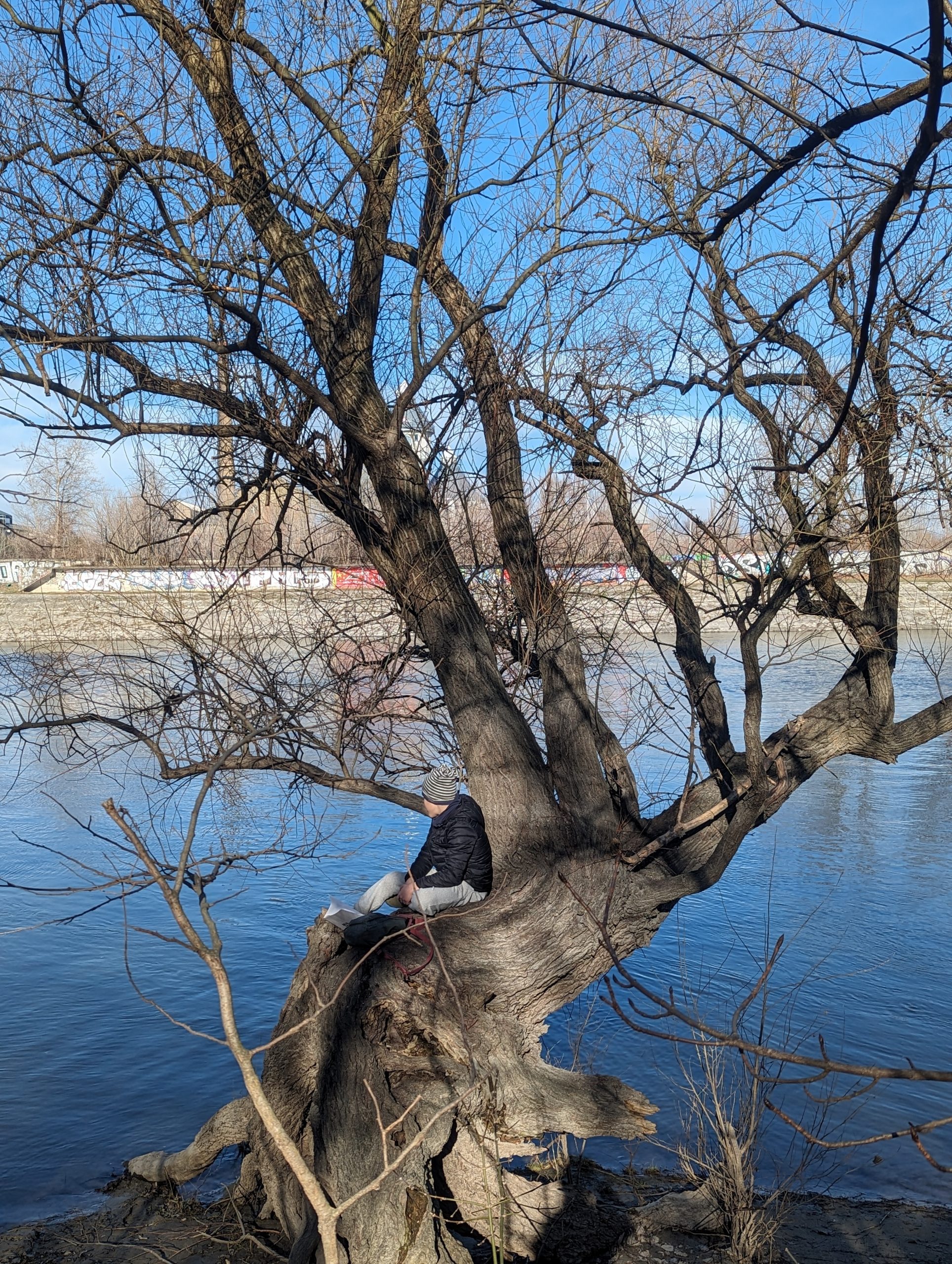
Ritualer for sorg
Dette verktøyet går ut på å utforske og eventuelt ta i bruk lokale sørgetradisjoner. Hensikten med verktøyet er å utforske ritualer for sorg, som kan brukes til å møte sorg…
Verktøy:
1.4.3 -
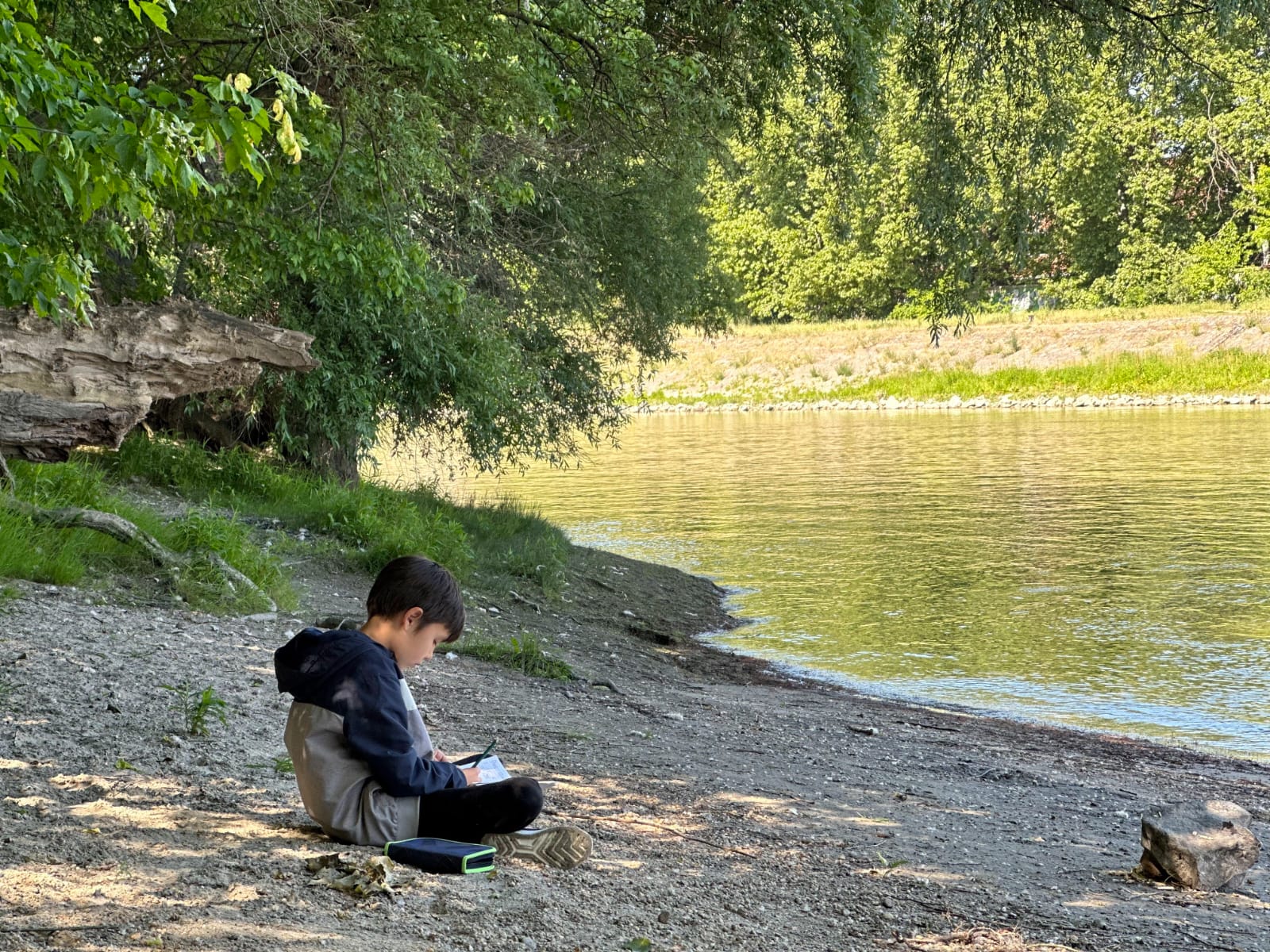
Skrive dagbok om følelser
Det å akseptere egne følelser er knyttet til bedre psykisk helse, bedre humør og mindre angst. Å aktivt hemme eller overse negative følelser krever en betydelig innsats og stresser kropp…
Verktøy:
2.1.1 -
Dagbok om takknemlighet
Det å skrive dagbok om hva man er takknemlig for, regulerer det sympatiske nervesystemet som aktiverer angstreaksjonene våre og påvirker hjernen i retning av mer positive tanker. Å utforske positive…
Verktøy:
2.1.2 -
Lytte til historier fra eldre generasjoner
Elevene spør foreldre, besteforeldre og/eller andre medlemmer av lokalsamfunnet om hvordan de først fikk kontakt med naturen som barn, og hvordan de har kontakt med naturen i dag. Dette verktøyet…
Verktøy:
2.2.1 -
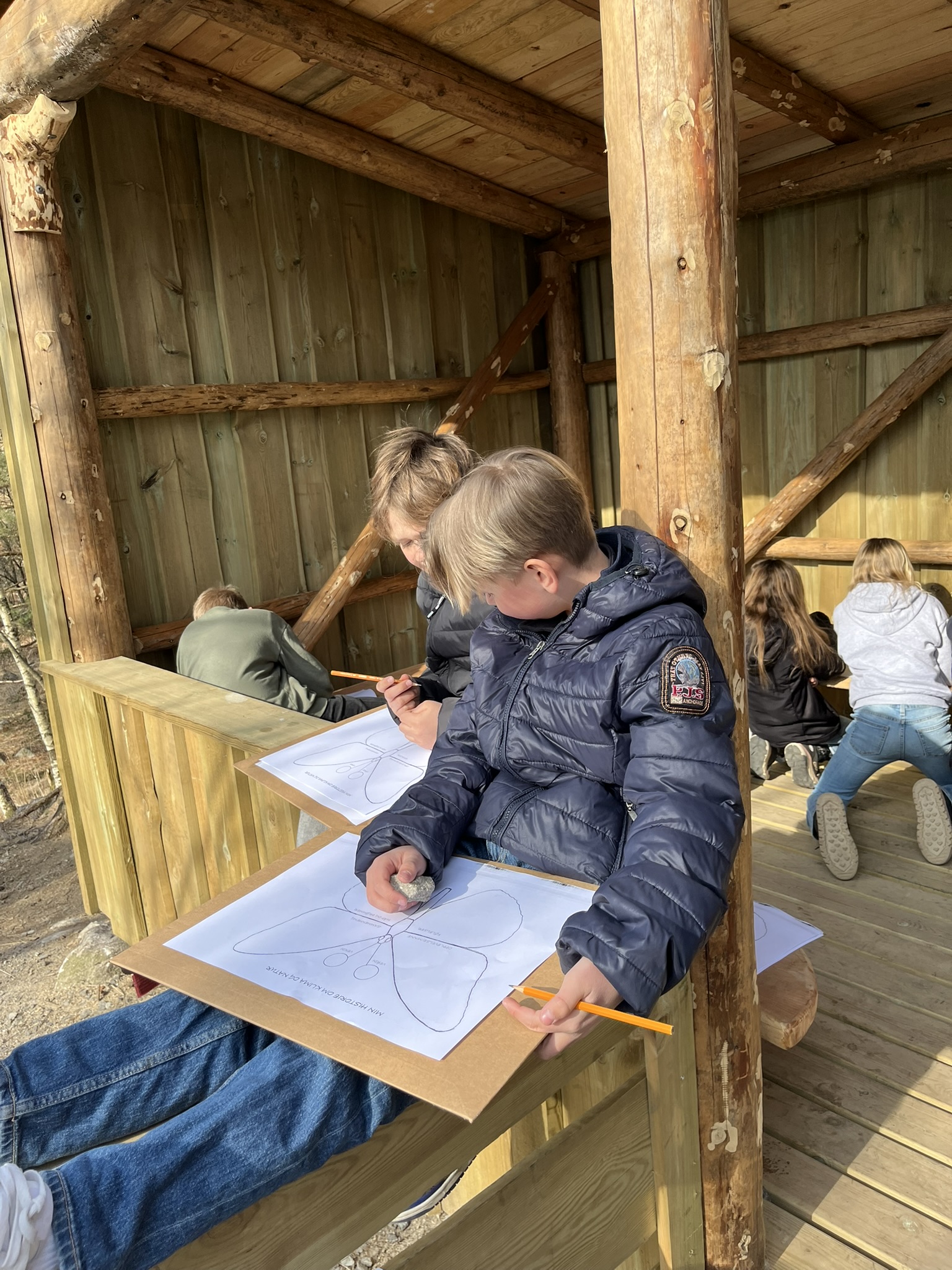
Min klimahistorie
Dette verktøyet hjelper elevene med å skrive en personlig historie om sin relasjon til klimaendringer. Elevene kan inkludere elementer som minner, følelser, følelser, verdier, refleksjoner, kunnskap, visjoner, håp og drømmer.…
Verktøy:
2.2.2 -
Observere og forske om dyr
Hvordan forholder dyr seg til hverandre og til omgivelsene sine? Hva har vi til felles med andre dyr, og hvordan er vi forskjellige? Hvilke eksempler kan vi finne på vår…
Verktøy:
2.3.1 -
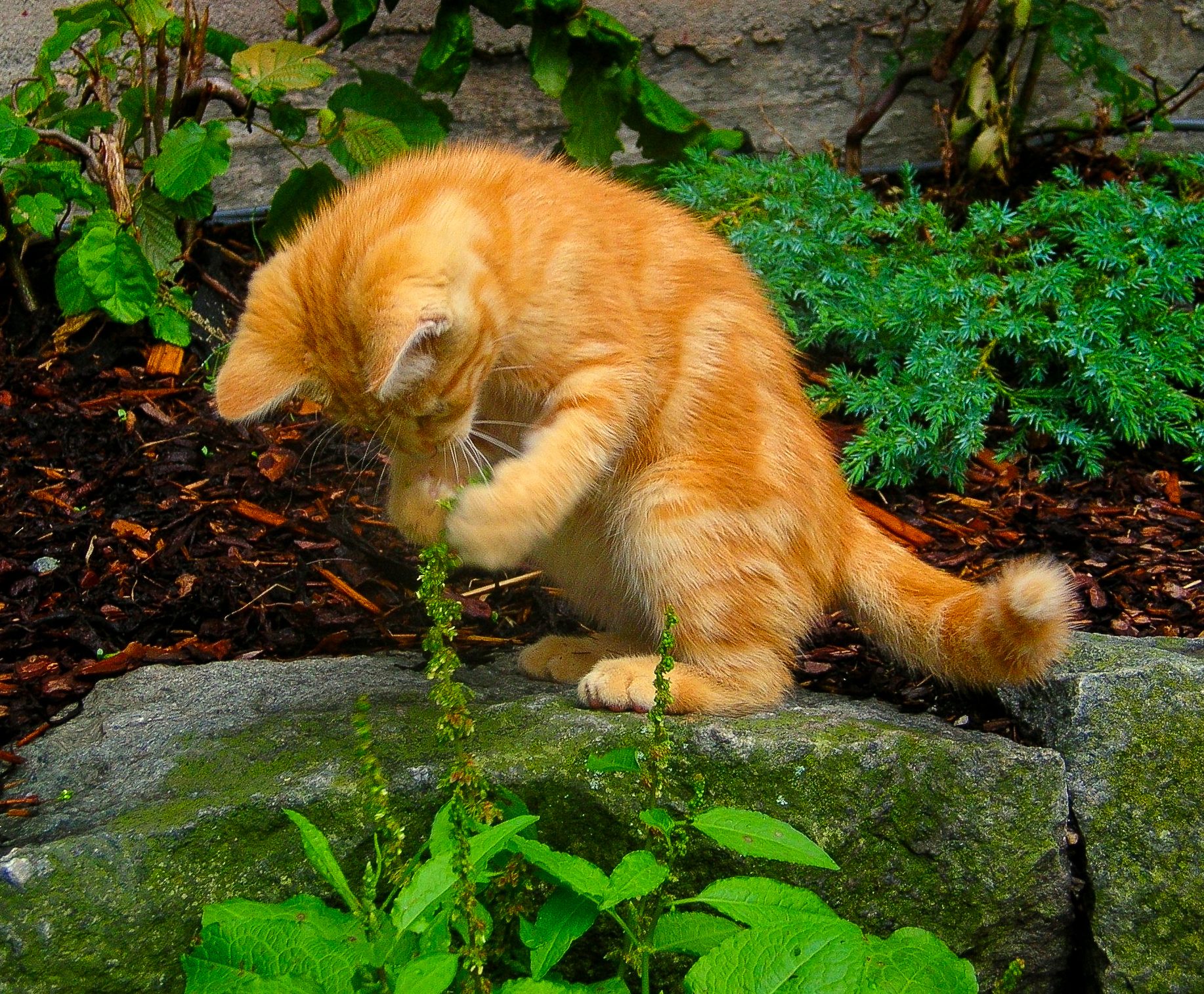
Herme og føle seg som et dyr
Utforsk følelser og perspektiv ved å bevege deg som ulike dyr. Mennesker har imitert dyr i tusenvis av år av mange forskjellige grunner, blant annet for å forstå dyret de…
Verktøy:
2.3.2 -

Hinderløype sammen med et dyr
Hvordan kan vi være oss selv og slappe av, samtidig som vi kommuniserer og etablerer tillit sammen med et dyr av en annen art? Dette verktøyet er beregnet for 1-2…
Verktøy:
2.3.3 -
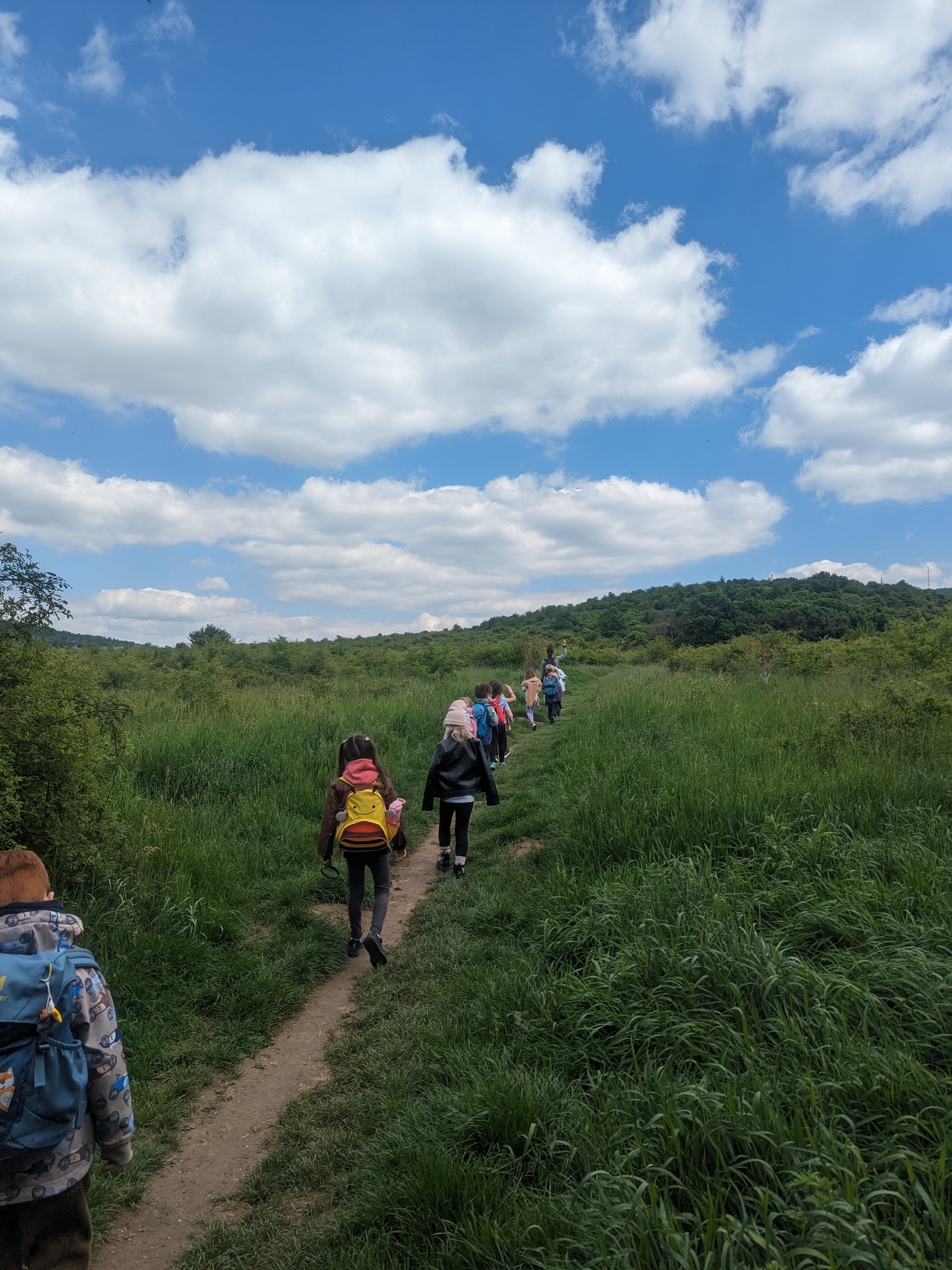
Langsom tur i naturen
Dette verktøyet inviterer elevene til å gå sakte og med tilstedeværelse i naturen, med fokus på pusten og sansene. Ved å bevege seg i et rolig tempo og lytte til…
Verktøy:
2.4.1 -

Sitte i naturen
“Sitte i naturen” er et kraftfullt verktøy for å skape kontakt med naturen hos elevene. Aktiviteten går ut på å tilbringe stille og tankefull tid i naturen, observere omgivelsene sine…
Verktøy:
2.4.2 -
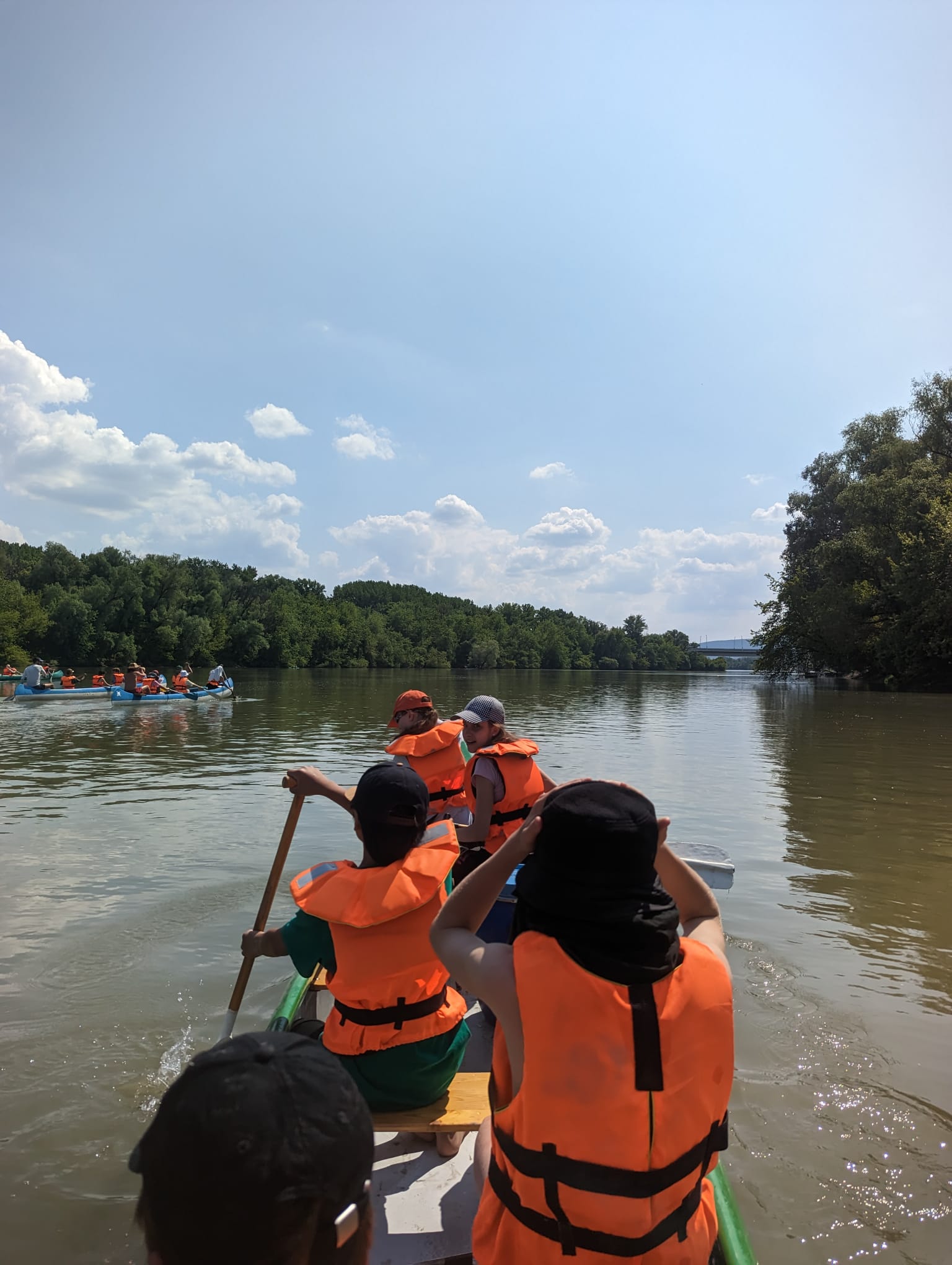
Natureventyr
“Natureventyr” er en fleksibel utendørsaktivitet som inviterer elevene til å utforske, observere og komme i kontakt med naturen gjennom ulike guidede eller selvstyrte opplevelser. Enten det er en tur i…
Verktøy:
2.4.3 -
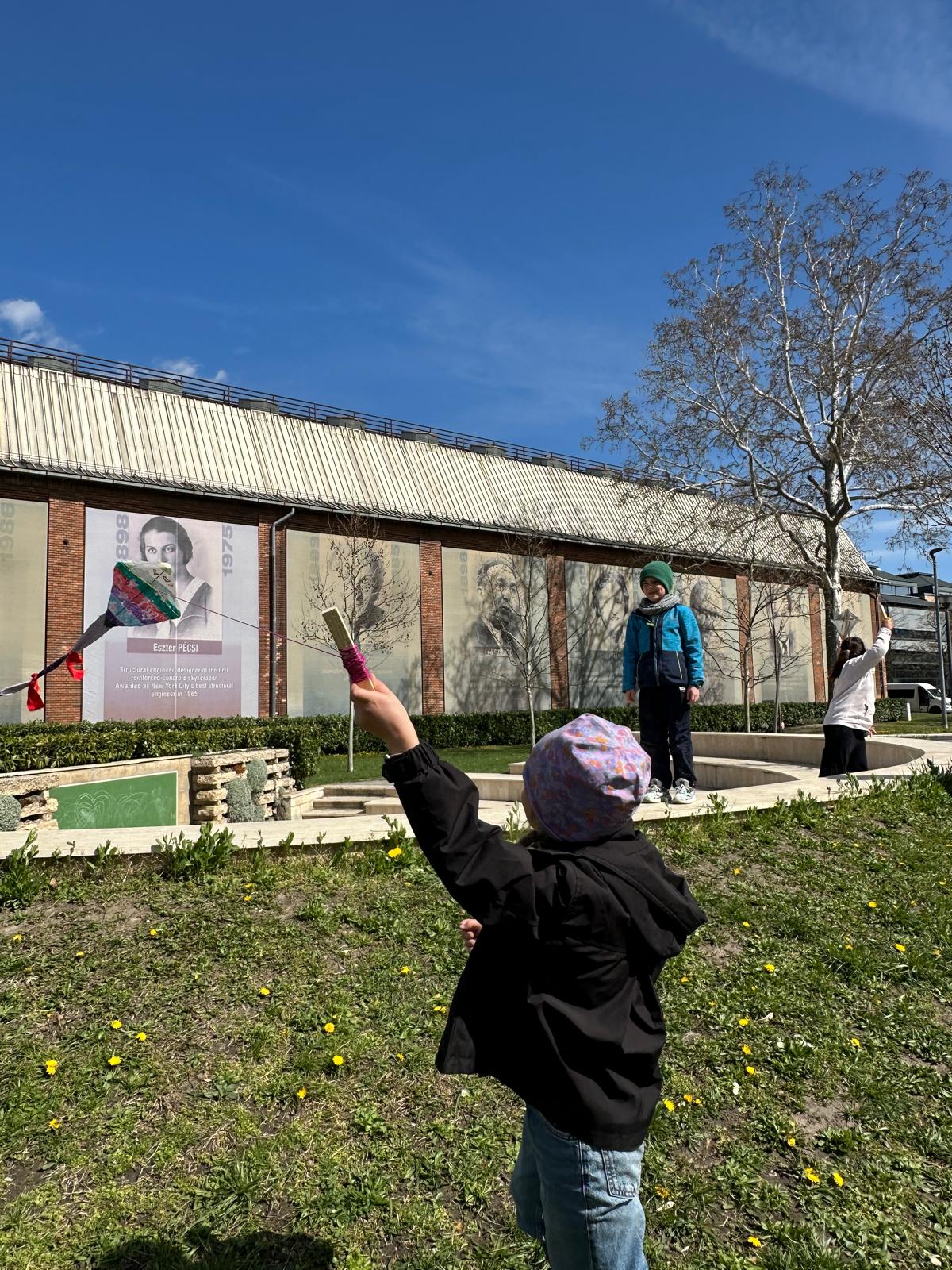
Fly med drage
Lag en bærekraftig drage for å utforske bærekraftige material, inkludere bevegelse og moro, reflektere over hvordan vindmønstre påvirkes av klimaendringer, og lære praktiske ferdigheter som involverer matematikk.
Verktøy:
2.4.4 -
Naturbasert kunst
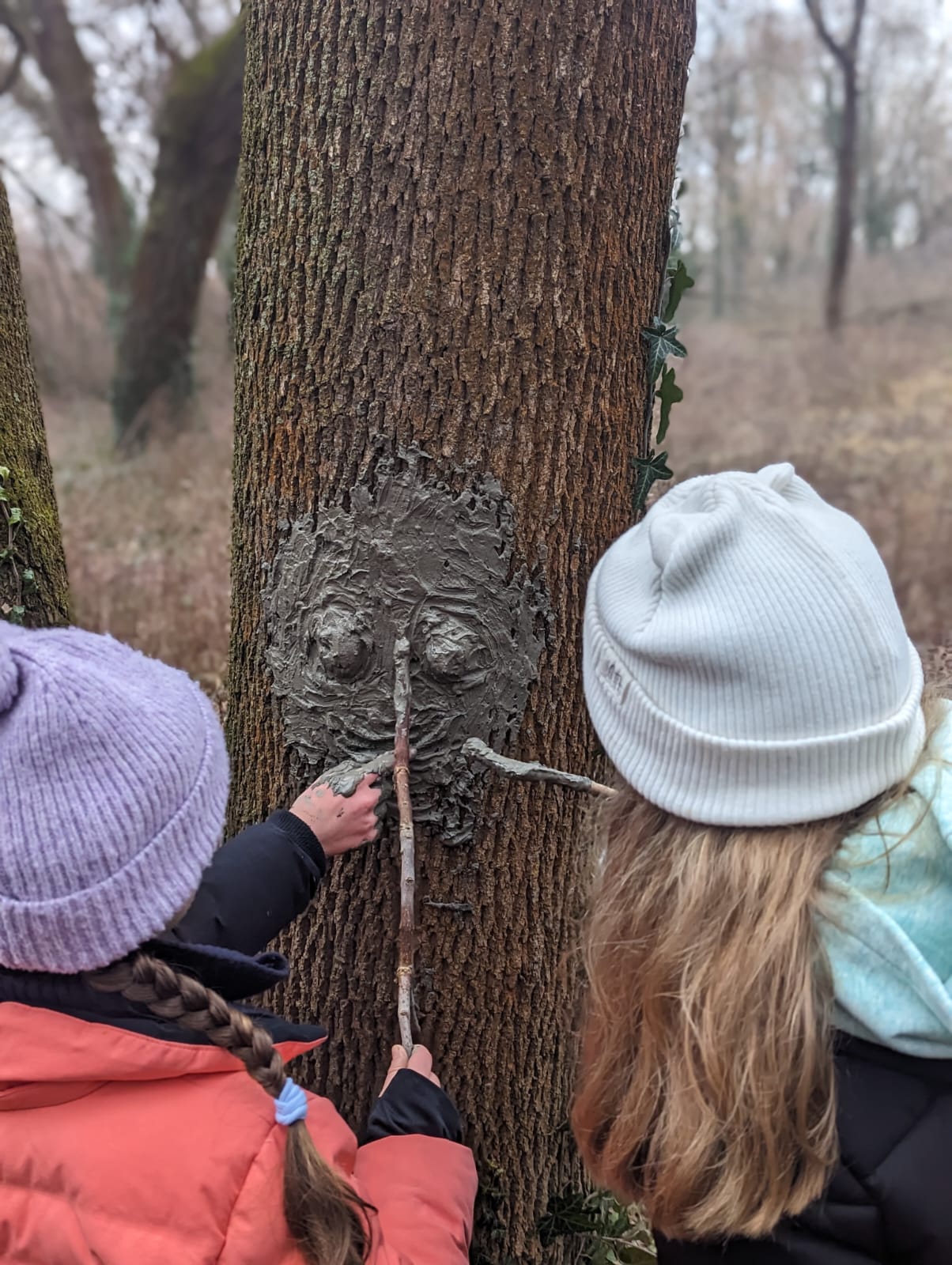
Dette verktøyet fokuserer på å bruke naturmaterial og landskap som medium for kunstneriske uttrykk, og knytter mennesker sammen med naturen gjennom kreativitet. Det kan gjøres for eksempel ved å lage…
Verktøy:
2.4.5 -
Rådet for alle som lever
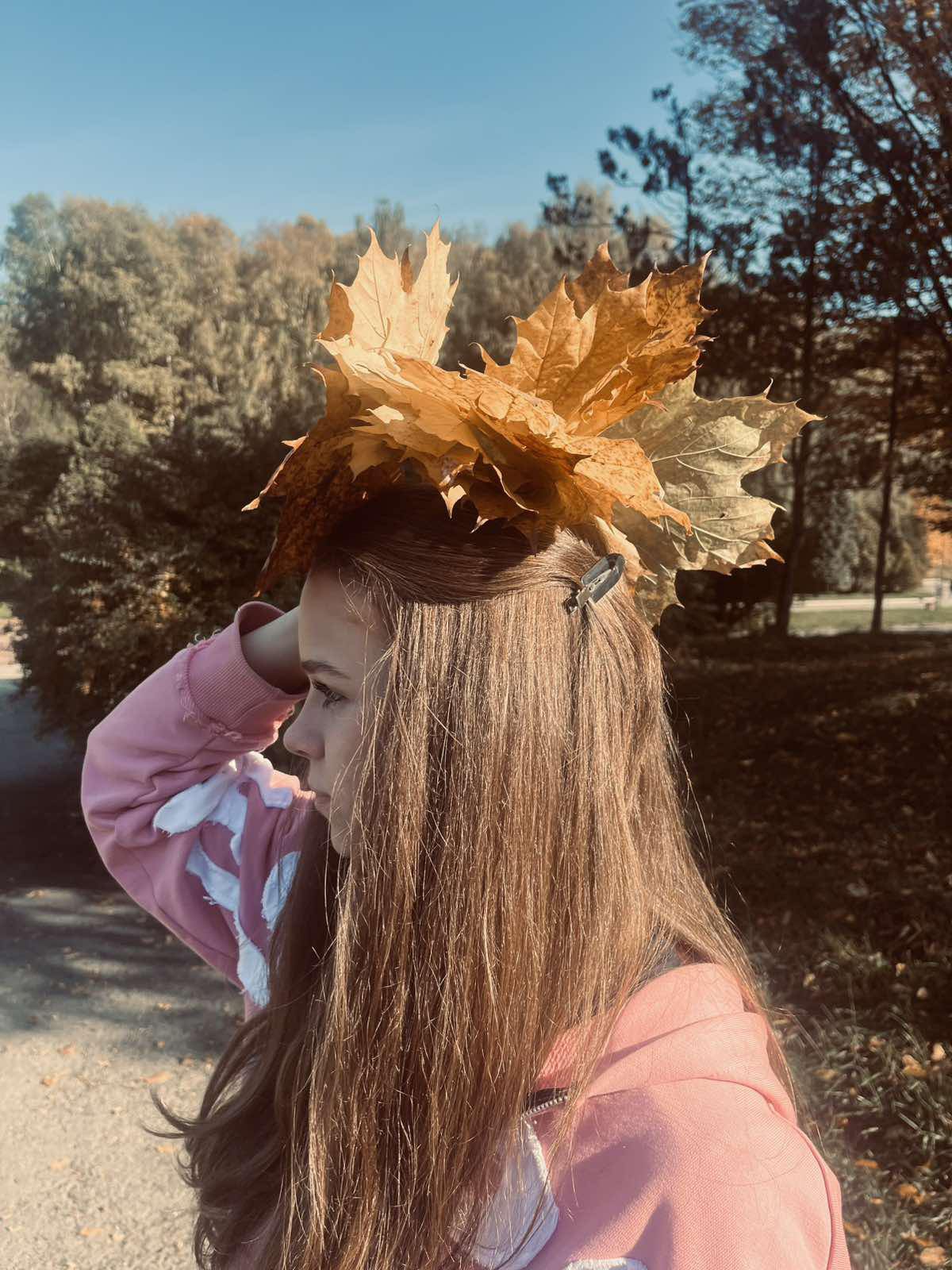
“Rådet for alle som lever” er et kraftfullt verktøy for miljøopplæring, personlig transformasjon og samfunnsbygging. Det hjelper elevene til å innse at de er forbundet med naturen, og fremmer en…
Verktøy:
3.1.1 -

Gi plantene en stemme
Hver elev tar med seg en plante eller en sopp og diskuterer relevante temaer med gruppen. Eleven kan snakke enten i plantens eller soppens navn, som naturens vokter eller som…
Verktøy:
3.1.2 -
Lytte til innspilte historier fortalt av urfolk
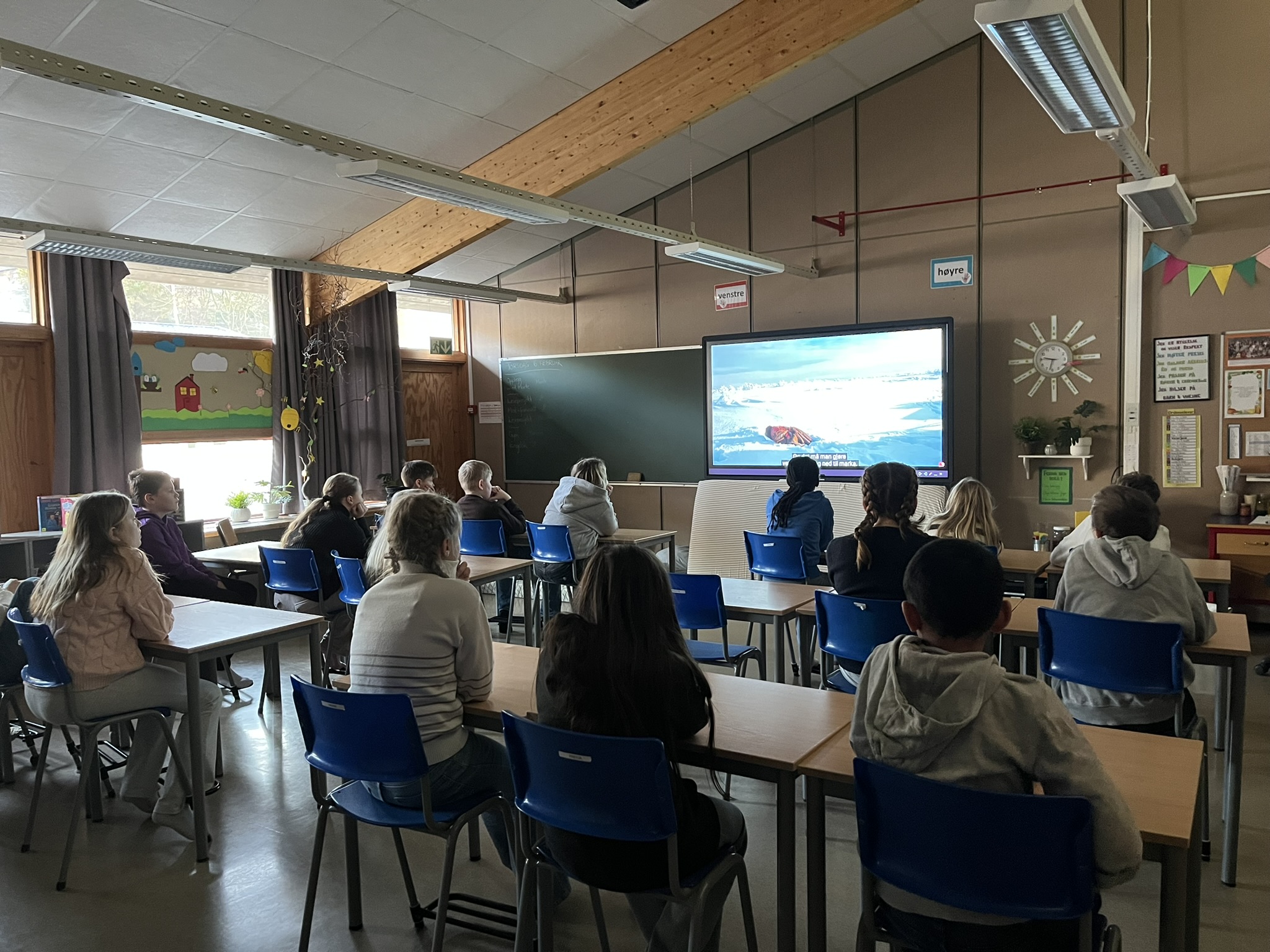
Dette verktøyet går ut på å lytte til livshistorier fortalt av urfolk. Det kan være historier om tradisjoner for å ta vare på jorda, fortellinger om urfolkets historie og/eller historier…
Verktøy:
3.2.1 -
Samtale med en person fra et urfolk
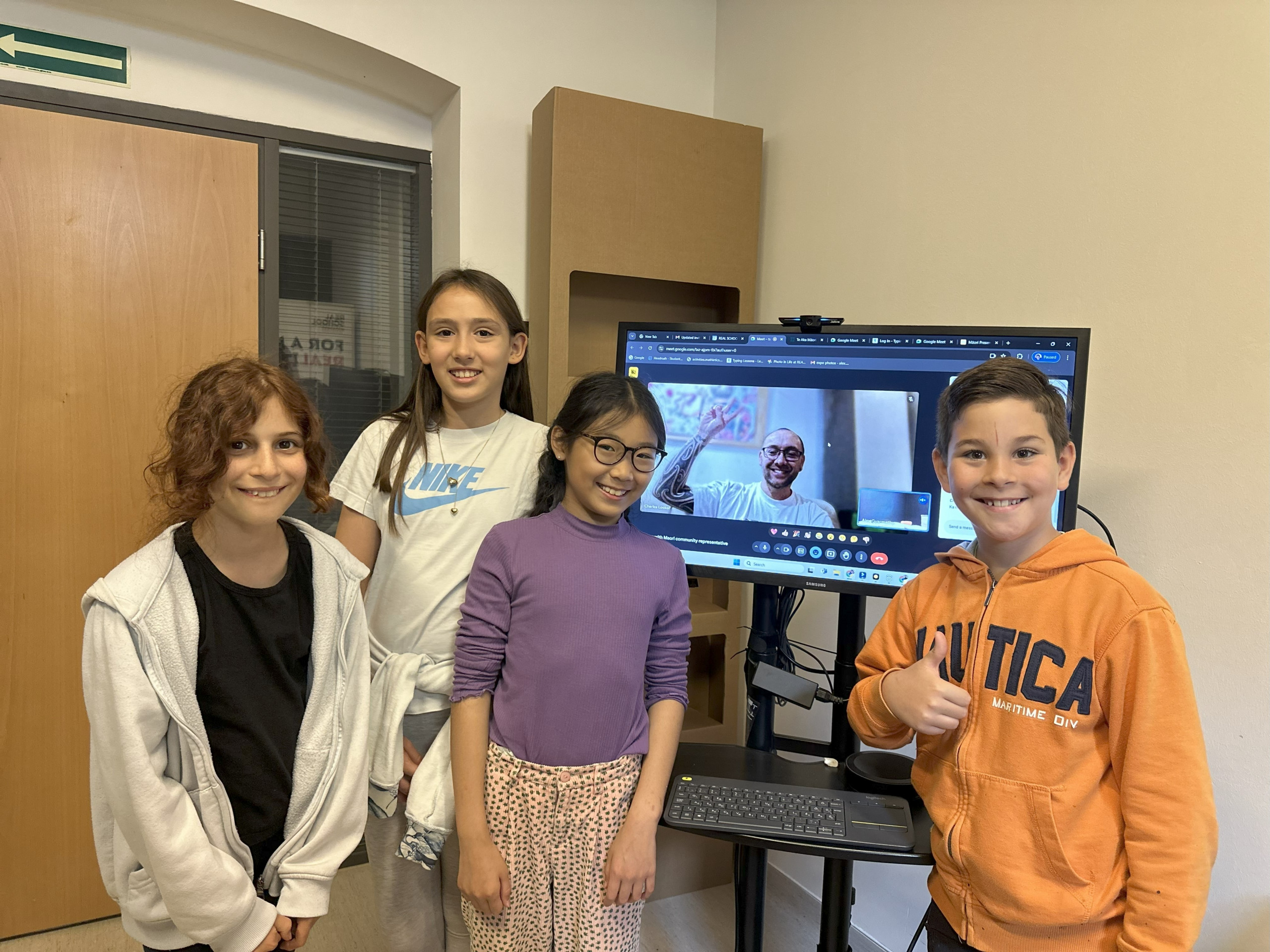
En direkte dialog med en representant fra et urfolk kan bidra til en bedre forståelse av urfolkets kunnskapssystem og tradisjoner hos elevene, og gi dem nærmere kontakt med urfolket. Det…
Verktøy:
3.2.2 -
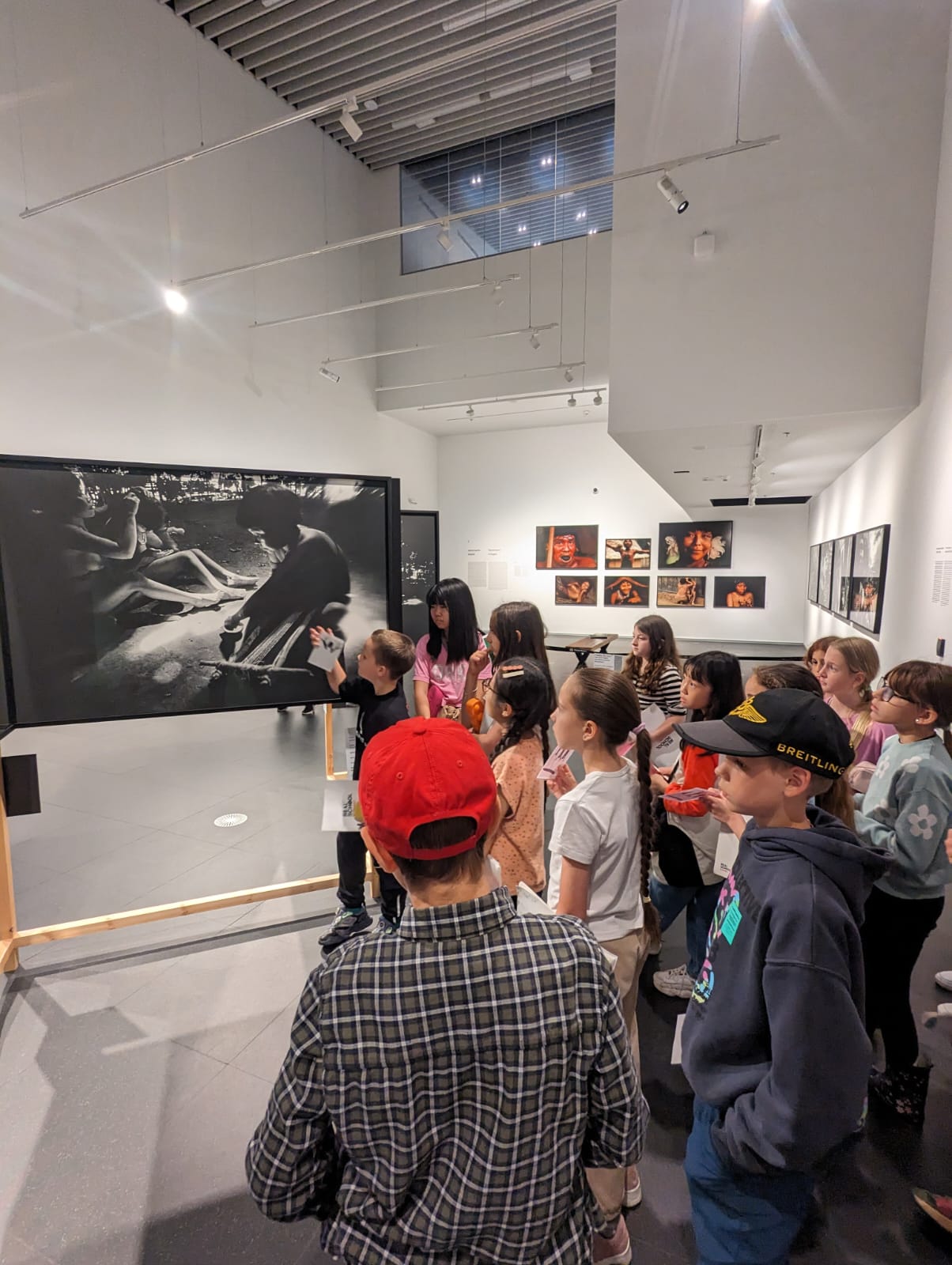
Utforske urfolks kunst og kulturarv
Å utforske urfolks kunst og kulturarv kan bidra til en bedre forståelse av ulike urfolks ulike forhold til seg selv, andre og naturen, og kan knyttes til temaer som undertrykkelse,…
Verktøy:
3.2.3 -

Å lytte til jorda
Dette verktøyet inviterer elever i alle aldre til å engasjere seg i og lære av samiske (eller andre urfolks) perspektiv på natur, tid og identitet gjennom historiefortelling uttrykt i kunst…
Verktøy:
3.2.4 -
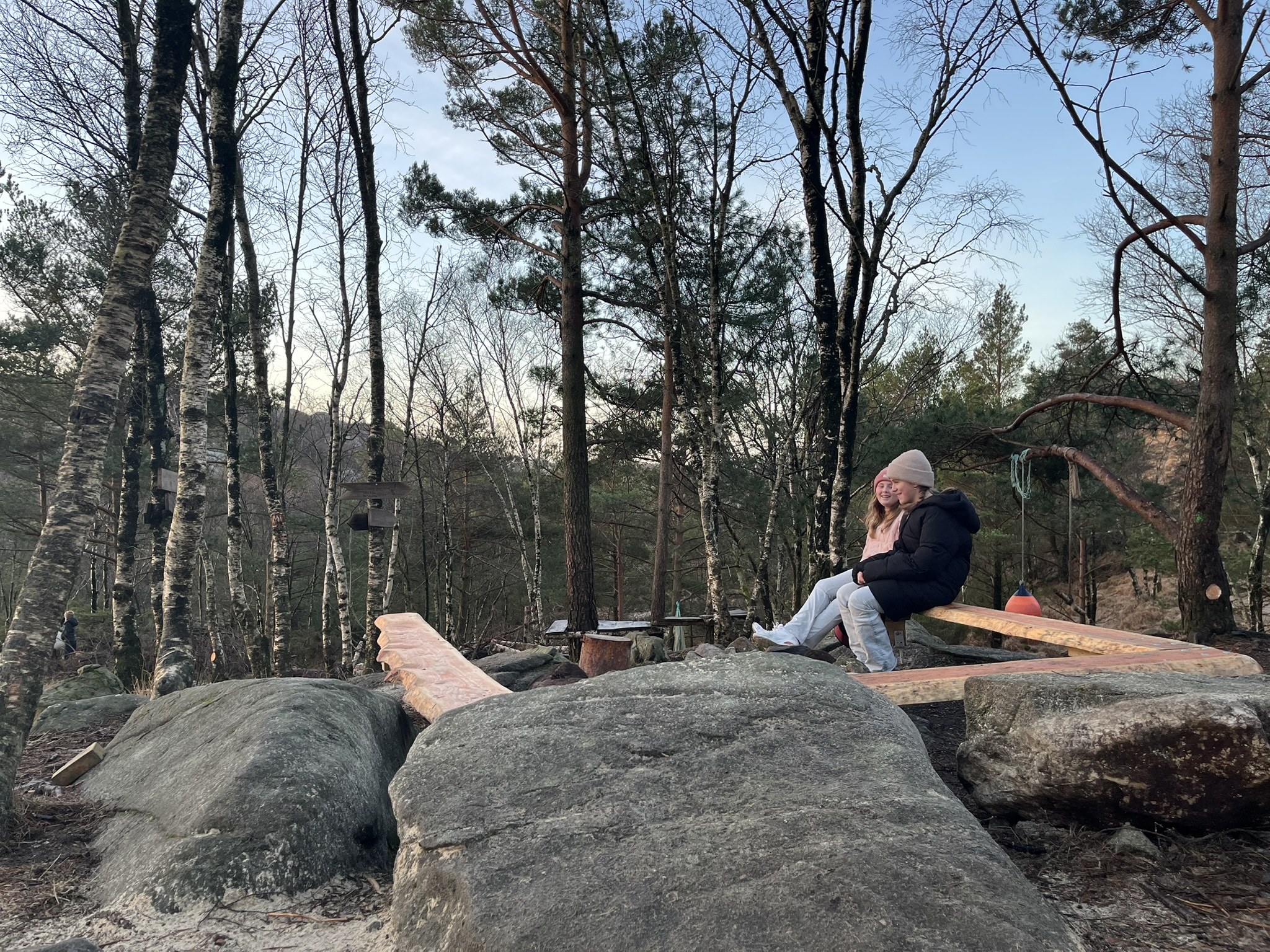
Aktiv lytting
Aktiv lytting er en grunnleggende ferdighet som kan brukes i alle slags situasjoner. Aktiv lytting er spesielt nyttig for å hjelpe elevene til å dels sette pris på at det…
Verktøy:
3.3.1 -
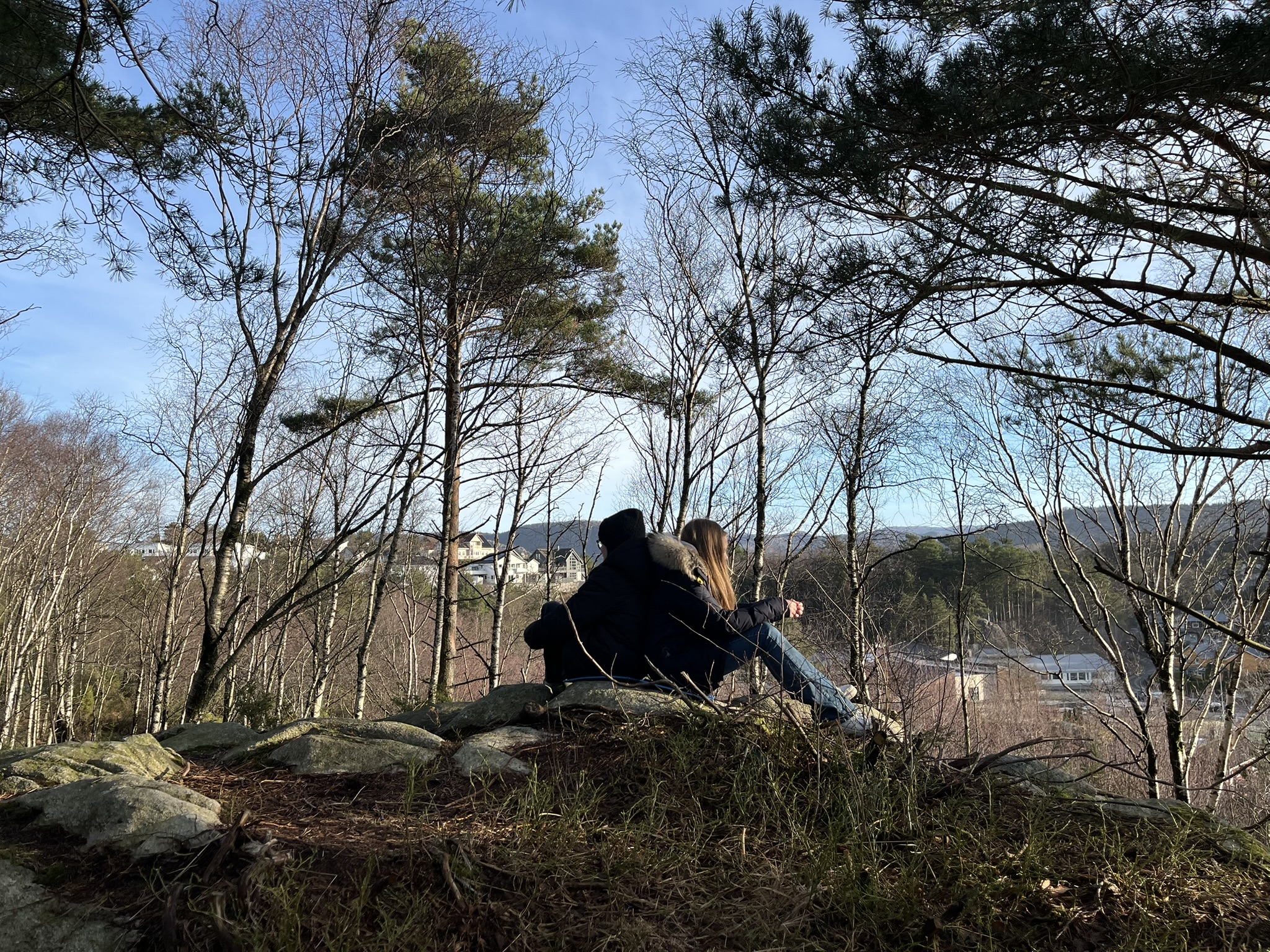
Dyp lytting med en partner
Å lytte dypt til andre er en ferdighet som kan hjelpe elever og lærere til å øke sin empati, for eksempel om det brukes til å svare på spørsmål, gi…
Verktøy:
3.3.2 -
Dyp lytting med deg selv
Dyp lytting til seg selv: Den samme grunnleggende metoden som i verktøy 3.3.2 Dyp lytting med en partner brukes for denne øvelsen. Det er en effektiv øvelse for selvinnsikt, for…
Verktøy:
3.3.3 -

Isfjellmetaforen
Isfjellmodellen kan hjelpe oss å forstå i) atferdsmønstrene våre, ii) system og strukturer, og iii) de indre og kulturelle dimensjonene som ligger til grunn for en gitt situasjon, for eksempel…
Verktøy:
3.4.1 -
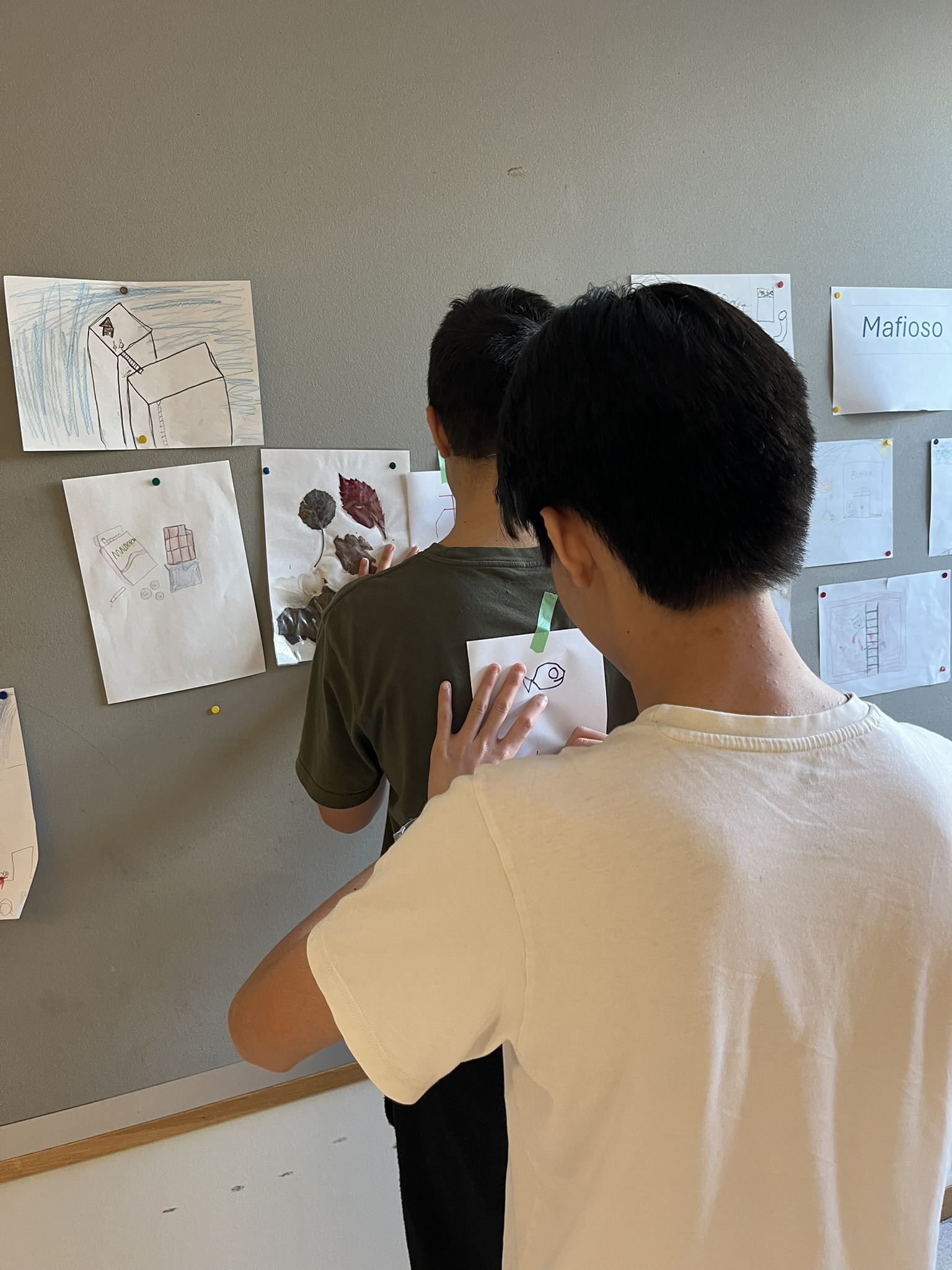
Superhelt i hverdagen
I denne oppløftende aktiviteten utforsker og feirer elevene sine personlige styrker, ved å bli superhelter i hverdagen. Elevene finner og trener på signaturstyrken sin gjennom kreativ refleksjon, oppmuntring fra medelever…
Verktøy:
3.5.1 -

Utforsk verdiene dine
De individuelle verdiene våre er nært koblet til de felles verdiene i samfunnet, og verdiene våre påvirker hvordan vi oppfatter og reagerer på klimaendringene. Dette verktøyet går ut på å…
Verktøy:
3.5.2 -

Finn din ikigai
Ikigai er et japansk begrep som vanligvis tolkes som det som gir livet ditt mening, det er en metode som har blitt svært populær i Vesten i løpet av de…
Verktøy:
3.5.3 -
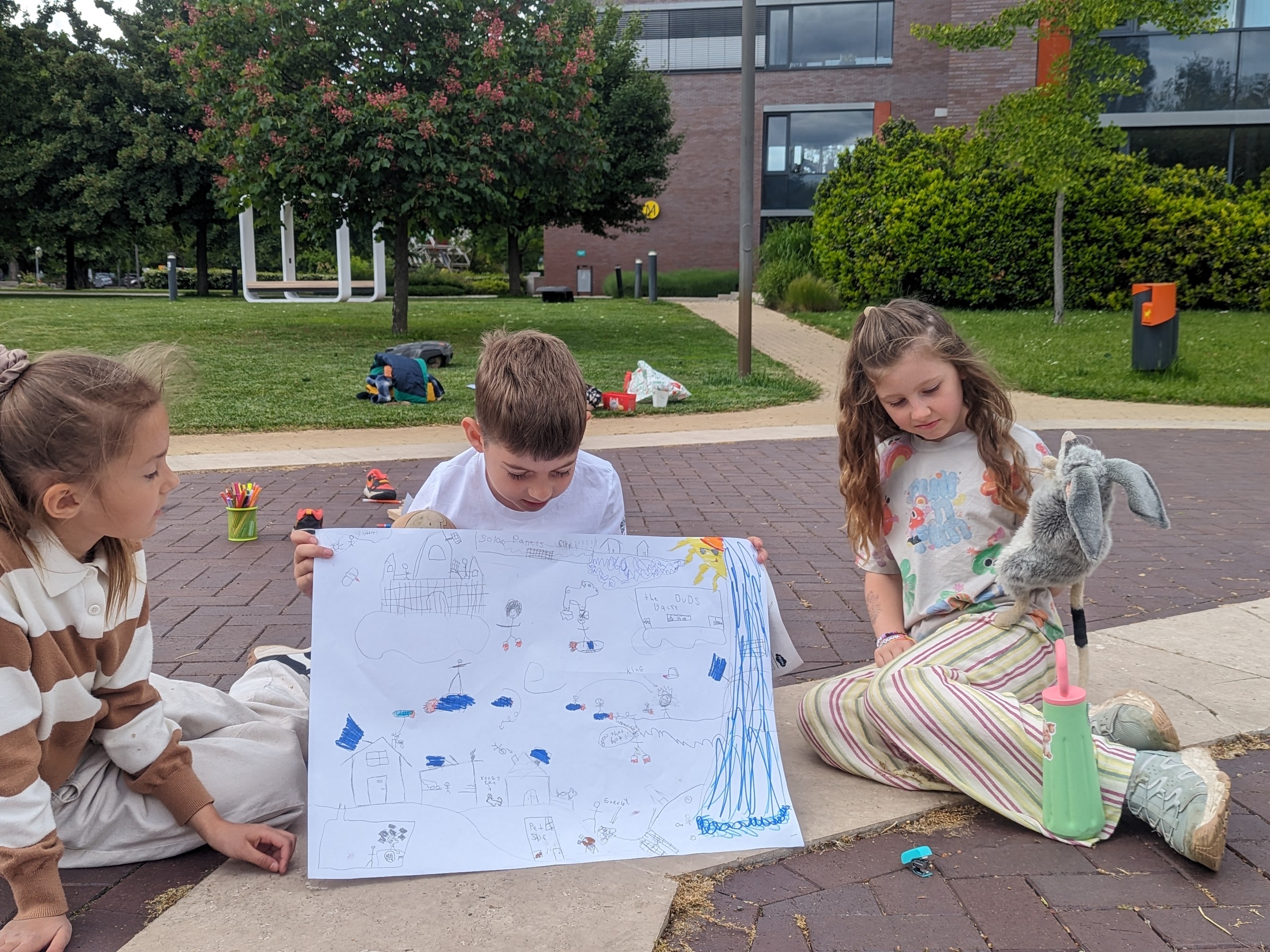
Utforske solarpunk-kunst
Solarpunk er en kunstnerisk og litterær bevegelse som ser for seg og arbeider for å realisere en bærekraftig framtid med samfunn i samspill med naturen. Ved å utforske bilder eller…
Verktøy:
4.1.1 -

Et fotografi av framtiden
I dette verktøyet inviteres elevene til å reflektere over hvilke endringer de håper å se i lokalsamfunnet sitt, og til å bruke fotografier til å symbolisere disse endringene. Denne øvelsen…
Verktøy:
4.1.2 -

Utforske parallelle verdener
I dette verktøyet inviteres elevene til å utforske hvordan en parallell verden med klimaresiliens skulle kunne se ut og fungere. Elevene får mulighet til å oppleve, beskrive og fortelle historier…
Verktøy:
4.1.3 -
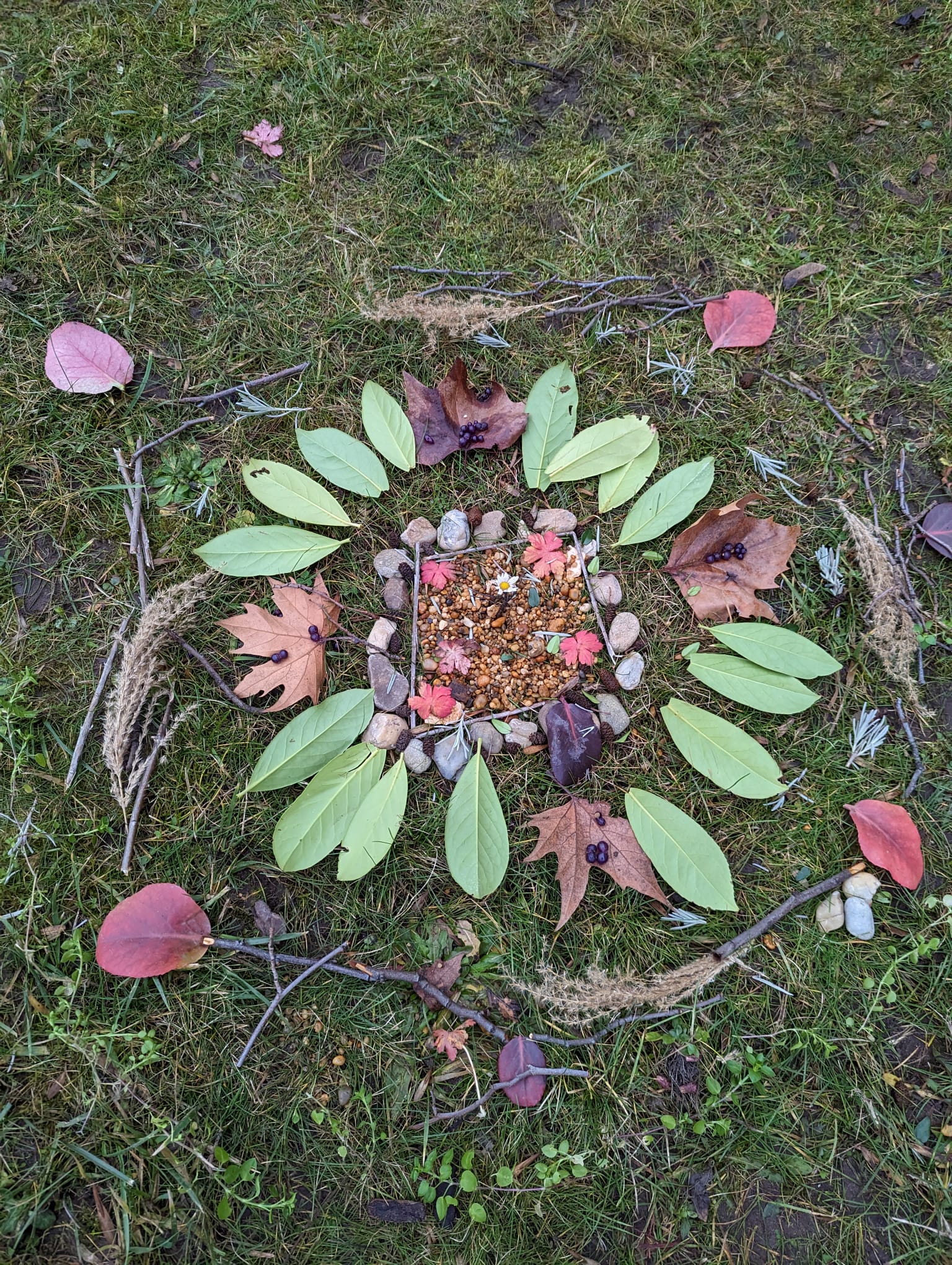
Se for deg den vakreste framtiden
Dette er en enkel øvelse, der elevene hver for seg ser for seg den vakreste, mest klimaresiliente og regenerative framtiden de kan tenke seg, og formidler den visjonen med f.eks.…
Verktøy:
4.2.1 -
Framtidsverksted
Framtidsverksted er basert på en metode som er utviklet av UNESCO (kalt Futures Literacy Labs) , og består av: å gjøre ønskelige og sannsynlige framtider eksplisitte; å se for seg…
Verktøy:
4.2.2 -

Framtidsspill
Kortstokker og kreative oppgaver introduserer ulike framtidsscenarioer som elevene kan leke med, eller de stiller spørsmål som hjelper oss til å reflektere over hvordan vi ser for oss framtiden eller…
Verktøy:
4.3.1 -
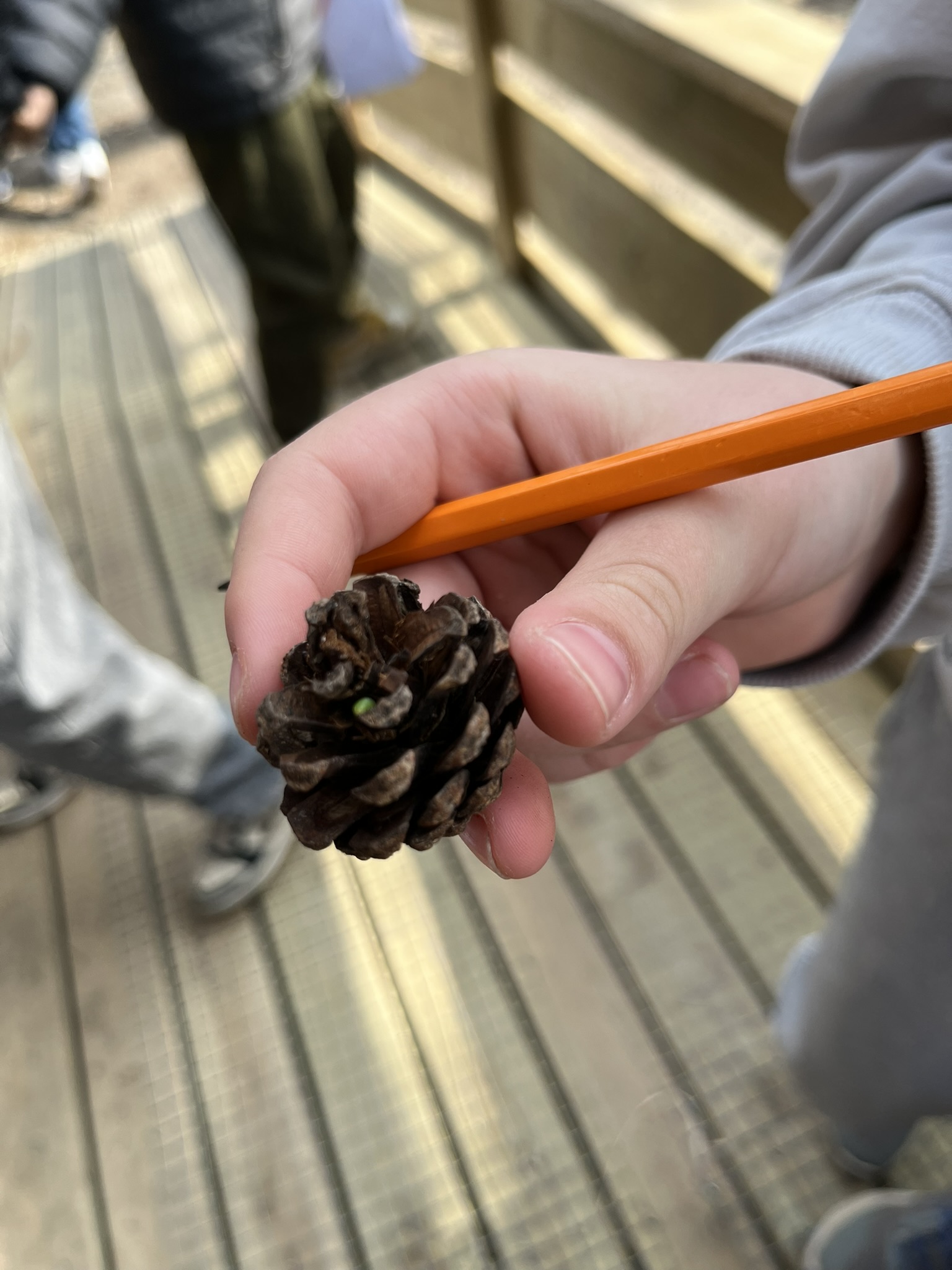
Improvisert historiefortelling
Elevene skriver en historie sammen om et mangfold av framtider, gjennom en teater-metode basert på 826-modellen. Elevene starter historien i fellesskap, mens læreren og frivillige skriver den ned og illustrerer…
Verktøy:
4.3.2 -
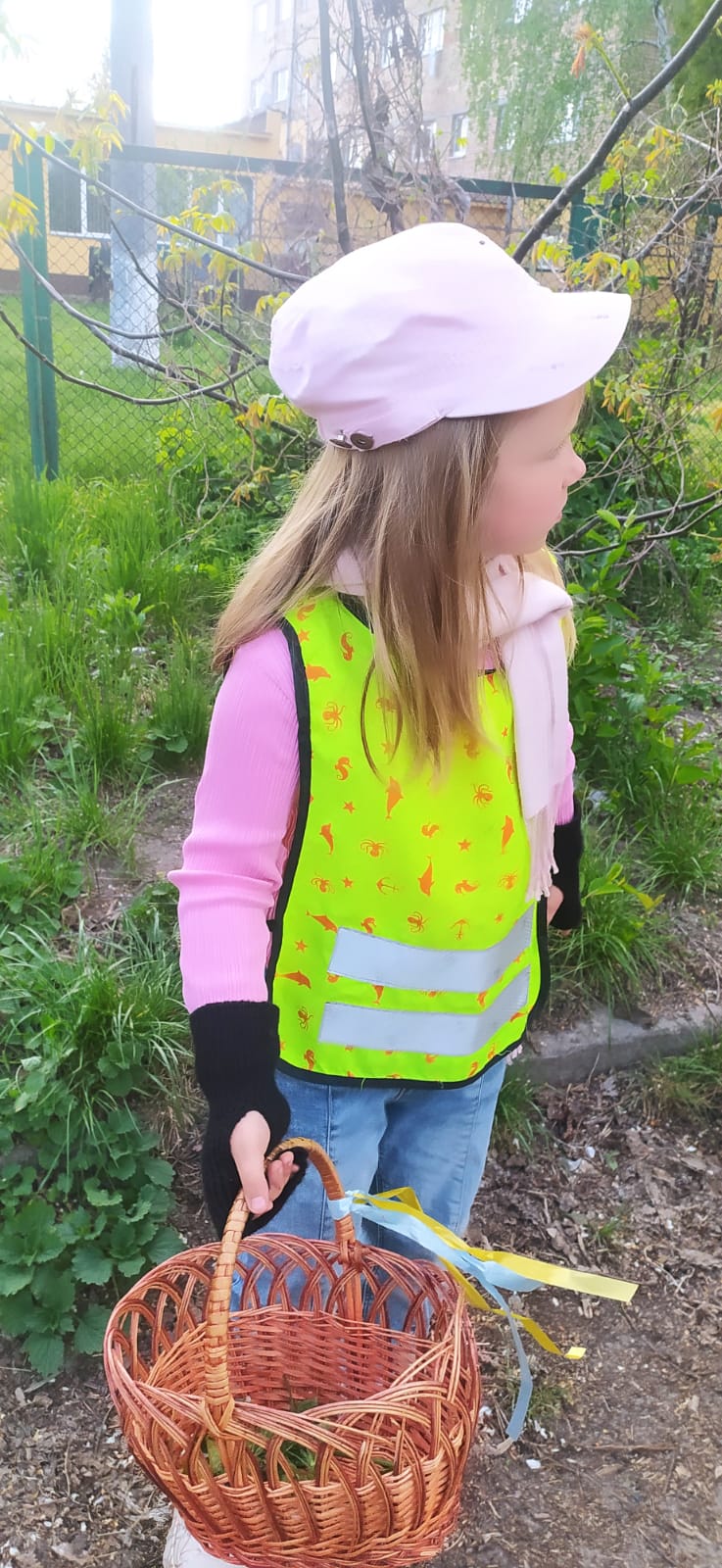
Undersøke prosjekter som bidrar til resiliens og regenerasjon
Dette verktøyet består i å undersøke og lære om ulike prosjekter som finner sted lokalt og rundt om i verden, prosjekter som fremmer klimatilpasning og klimaresiliens. Det bør legges særlig…
Verktøy:
4.4.1 -
Lage et manifest eller en håndbok
Elevene samarbeider om å enten lage sine egne manifester om en klimaresilient og regenerativ framtid, eller å skrive håndbøker for å legge forholdene til rette for at ulike klimaresiliente og…
Verktøy:
4.4.2 -
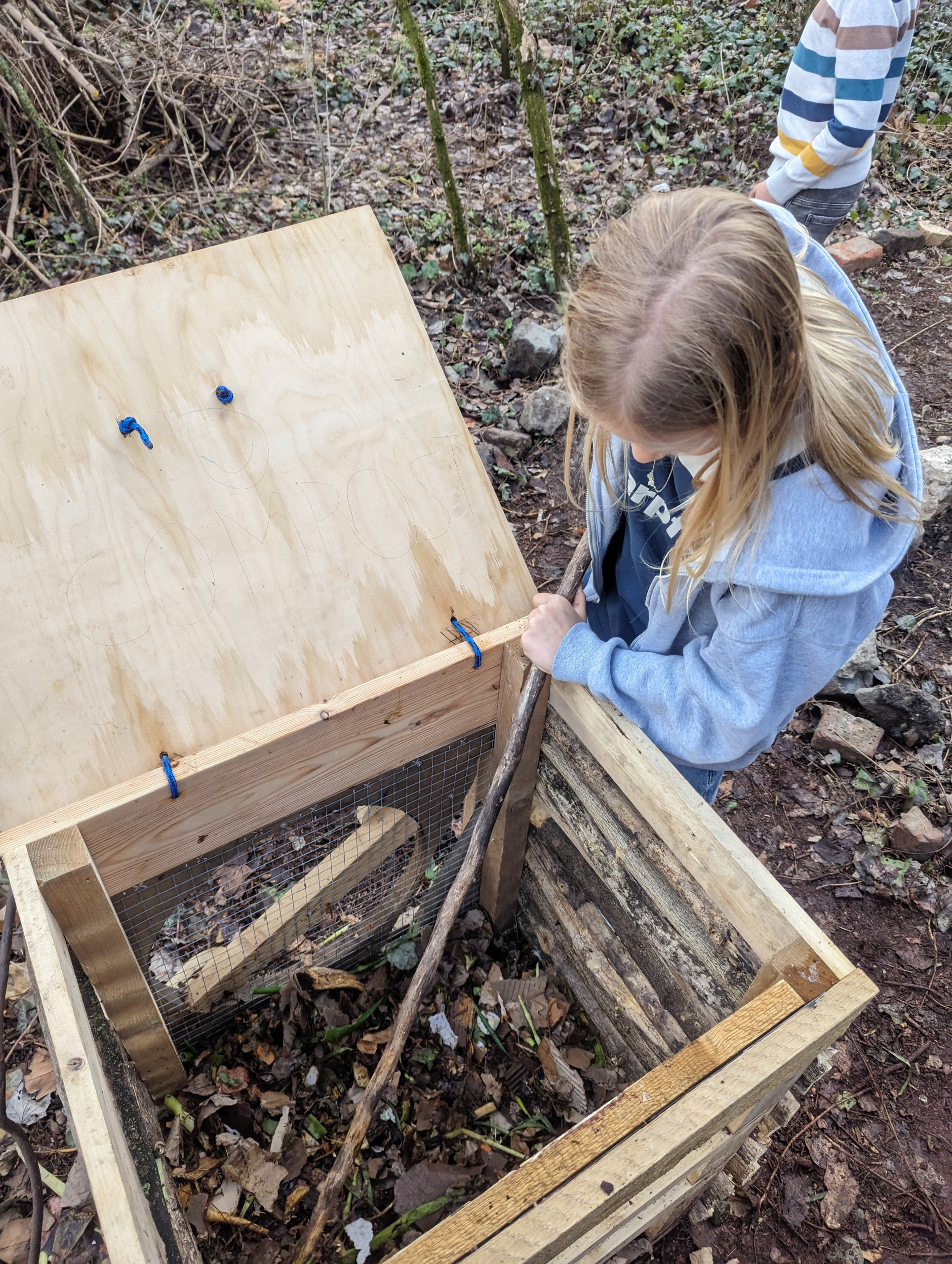
Lage en skolekompost
Å lage en skolekompost er en praktisk aktivitet som lærer elevene hvor viktig det er å regenerere jordsmonnet og redusere avfallsmengden. Kompostering gjør organisk avfall om til næringsrik jord, som…
Verktøy:
5.1.1 -
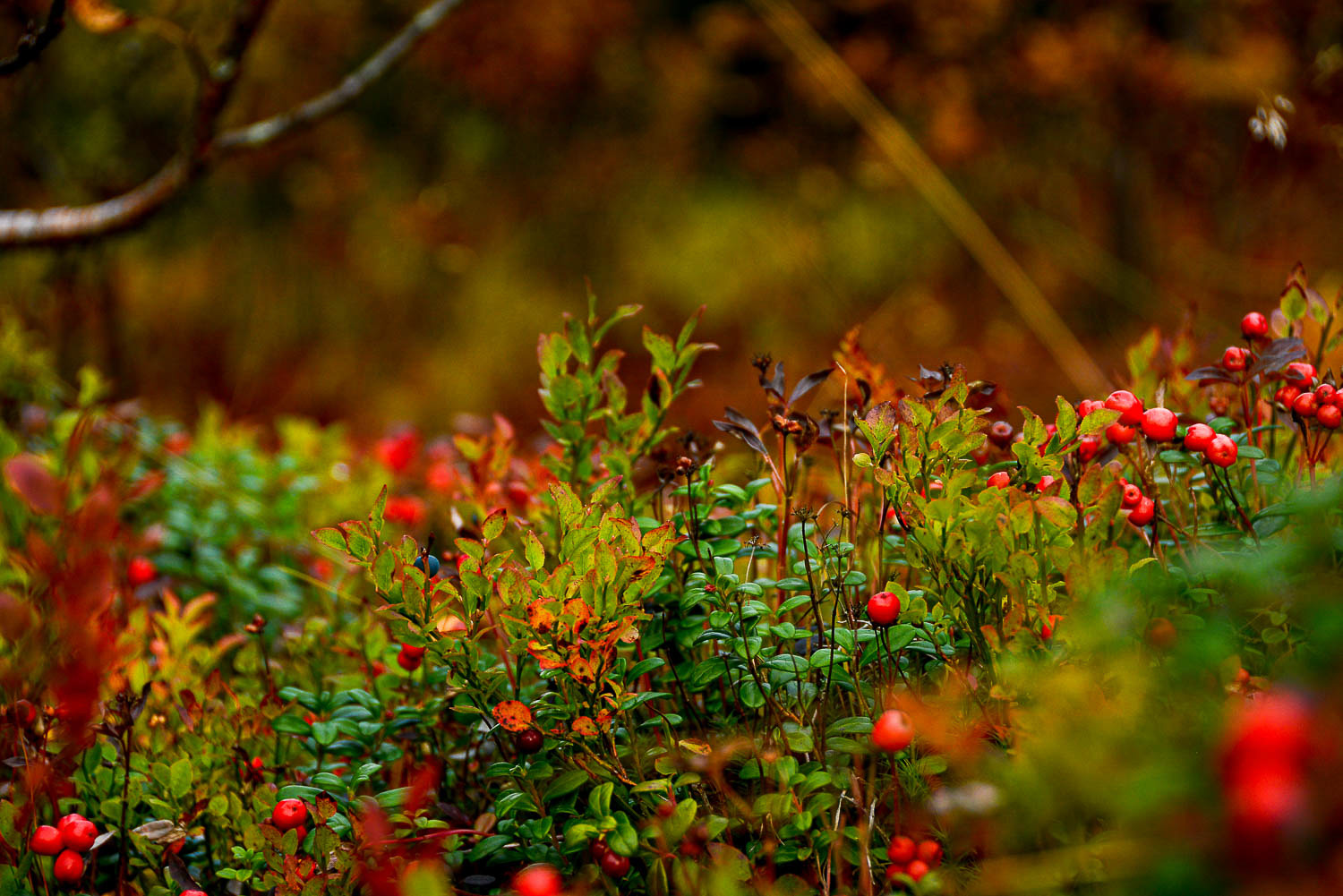
Permakulturhage
En klasse eller en gruppe elever går sammen om å lage en permakulturhage i skolegården eller i nærmiljøet, slik at elevene kan lære om fordelene ved å regenerere jordsmonnet for…
Verktøy:
5.1.2 -
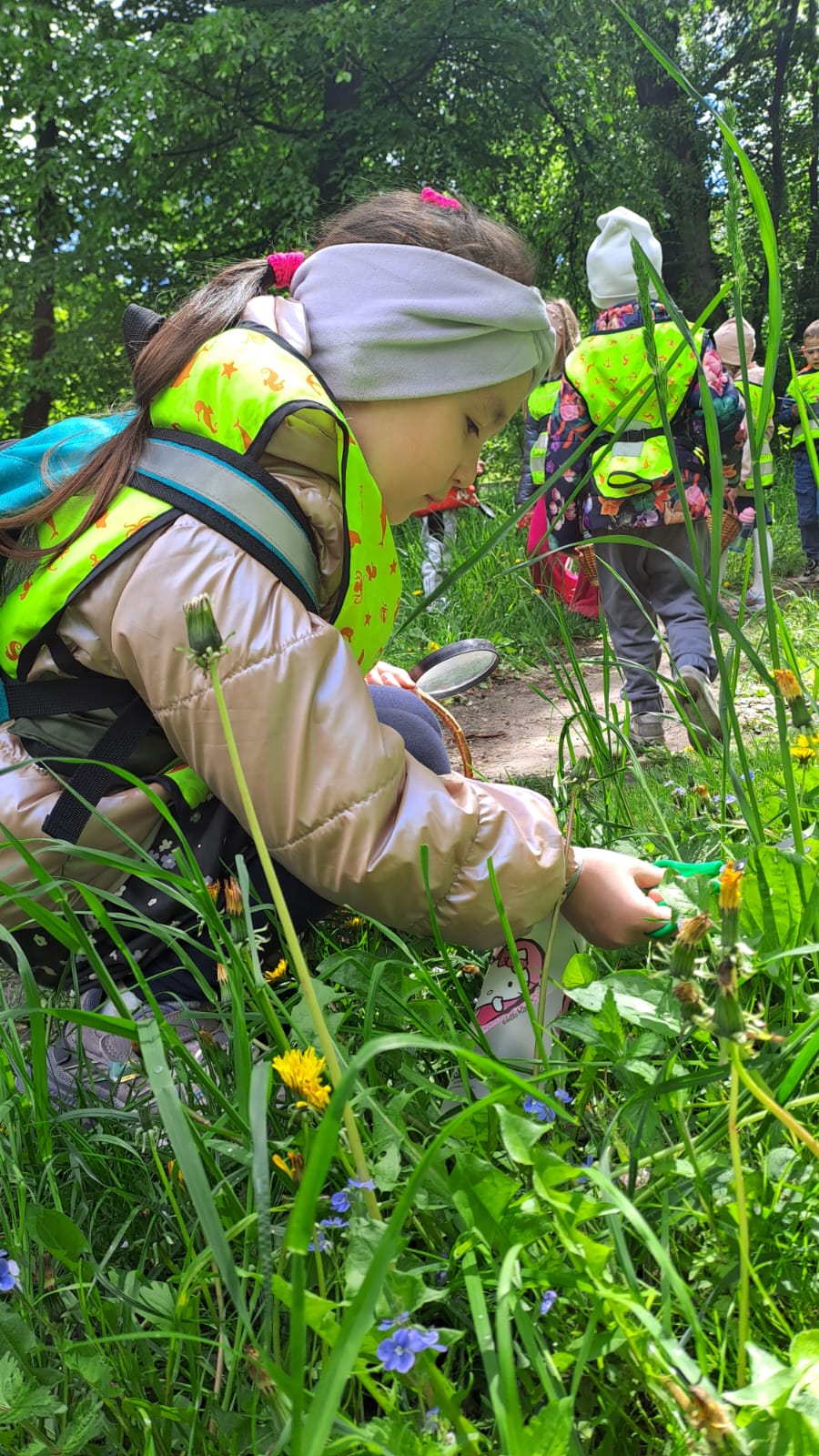
Utforske og støtte lokale økosystem
Dette verktøyet lar elevene bli kjent med et spesifikt økosystem i lokalområdet, og hjelper dem til å støtte/pleie dette økosystemet. Kunnskapen elevene får om det lokale økosystemet er en viktig…
Verktøy:
5.2.1 -
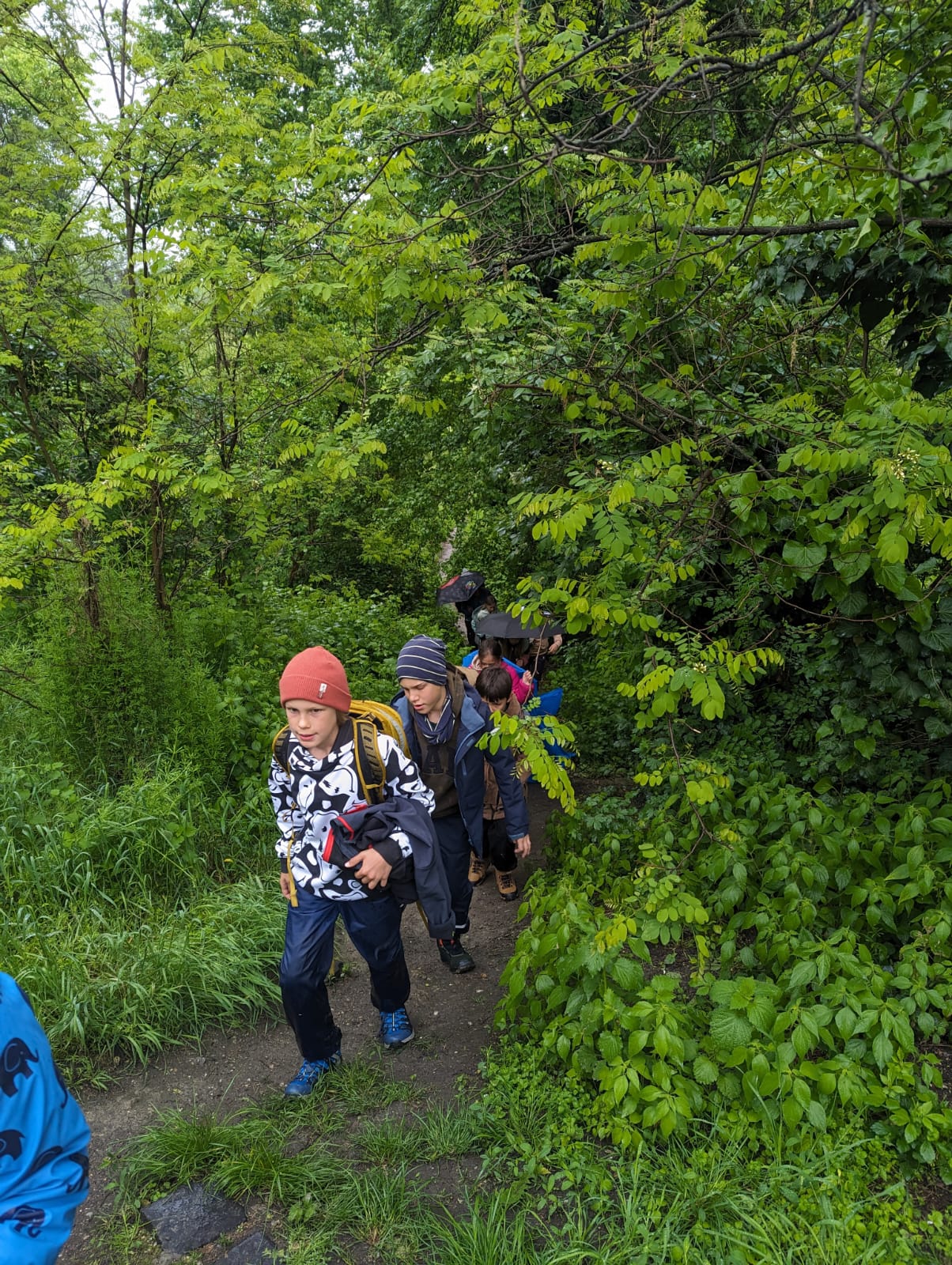
Lage lokale kart
Det å lage kart kan bidra til å forstå og visualisere klimarisikoen som er forbundet med et bestemt økosystem og lokalsamfunn, samt ressursene (f.eks. lokal kunnskap og ekspertise, samt mulige…
Verktøy:
5.2.2 -
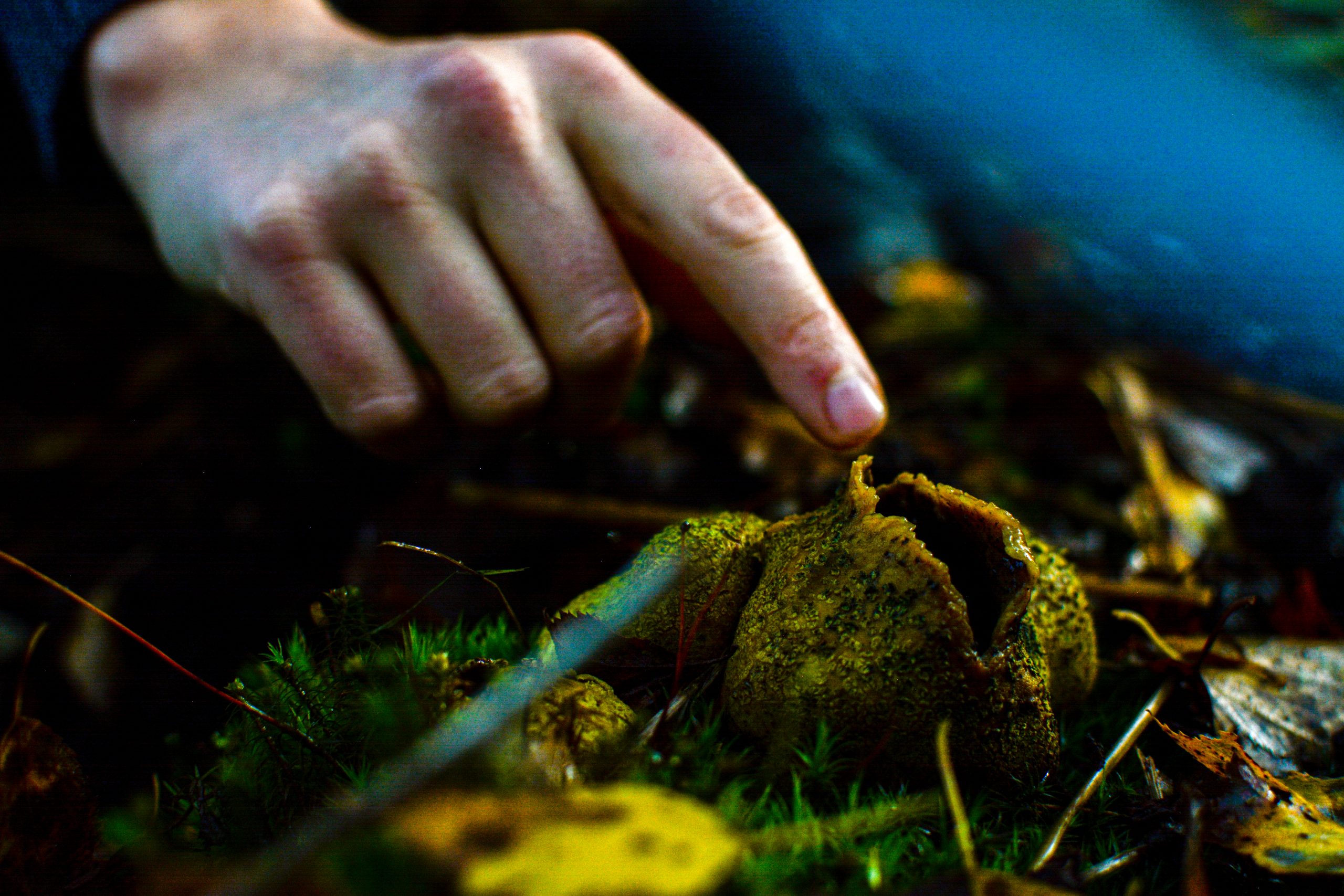
Støtte lokale tiltak for klimaresiliens
Dette verktøyet handler om lokale tiltak for å bygge resiliens hos enkeltpersoner, lokalsamfunn eller økosystem, eller en kombinasjon av disse. Den kan gjennomføres av unge voksne på studiesteder eller på…
Verktøy:
5.2.3 -

Generasjonsplagg
Elevene blir gjort oppmerksomme på de problematiske sidene ved hurtigmote. De nærmer seg deretter problemet med kreativitet og fellesskap ved å designe og sy et plagg som går på tvers…
Verktøy:
5.3.1 -
Læringsutveksling mellom skoler
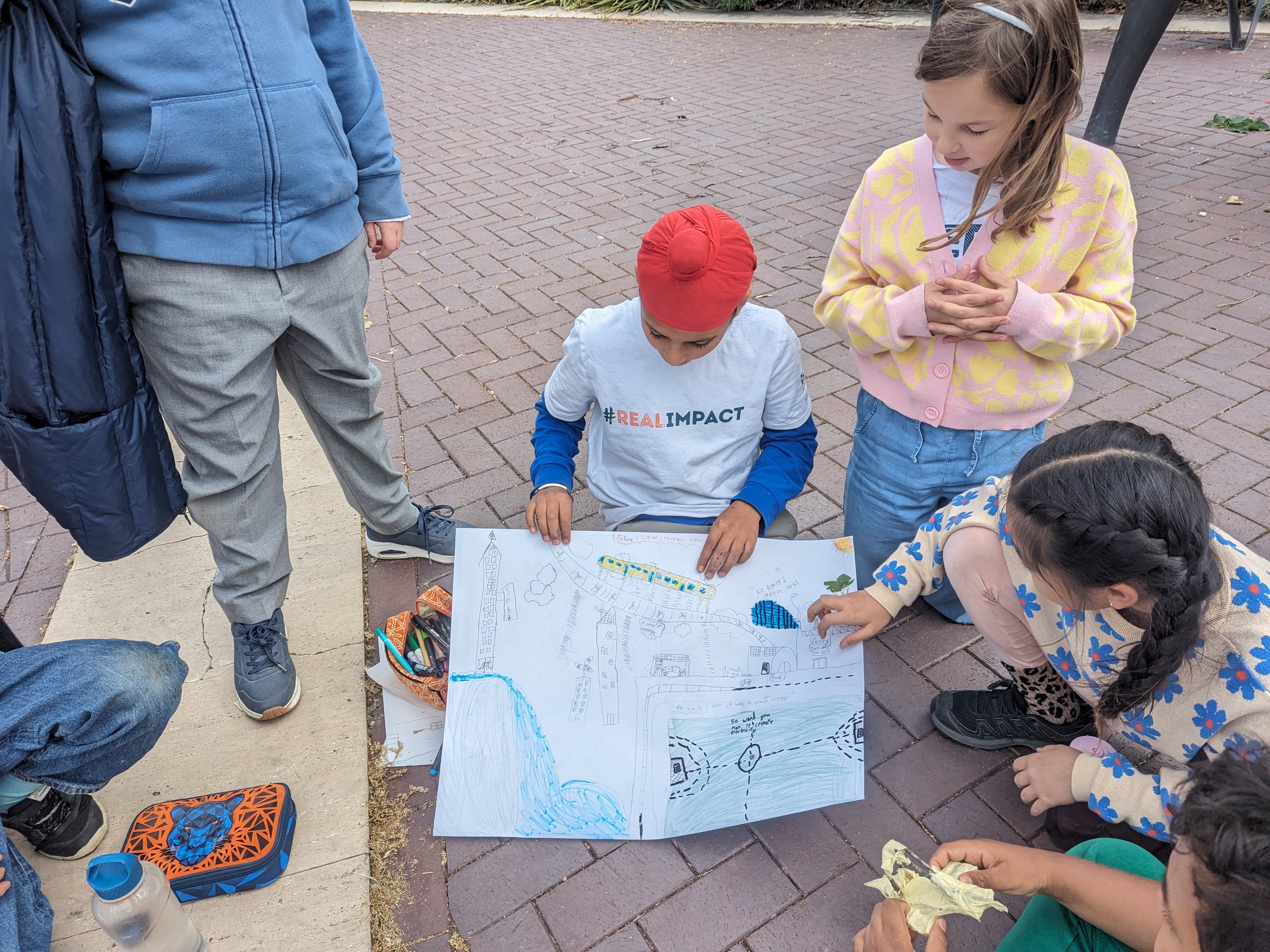
Læringsutvekslinger kan finne sted mellom både ganske like eller ganske ulike skoler, i urbane/landlige områder, sentrum/periferi, det globale nord/globale sør. etc De kan ta form av utveksling av personlige historier,…
Verktøy:
5.3.2 -
Kunst laget av søppel
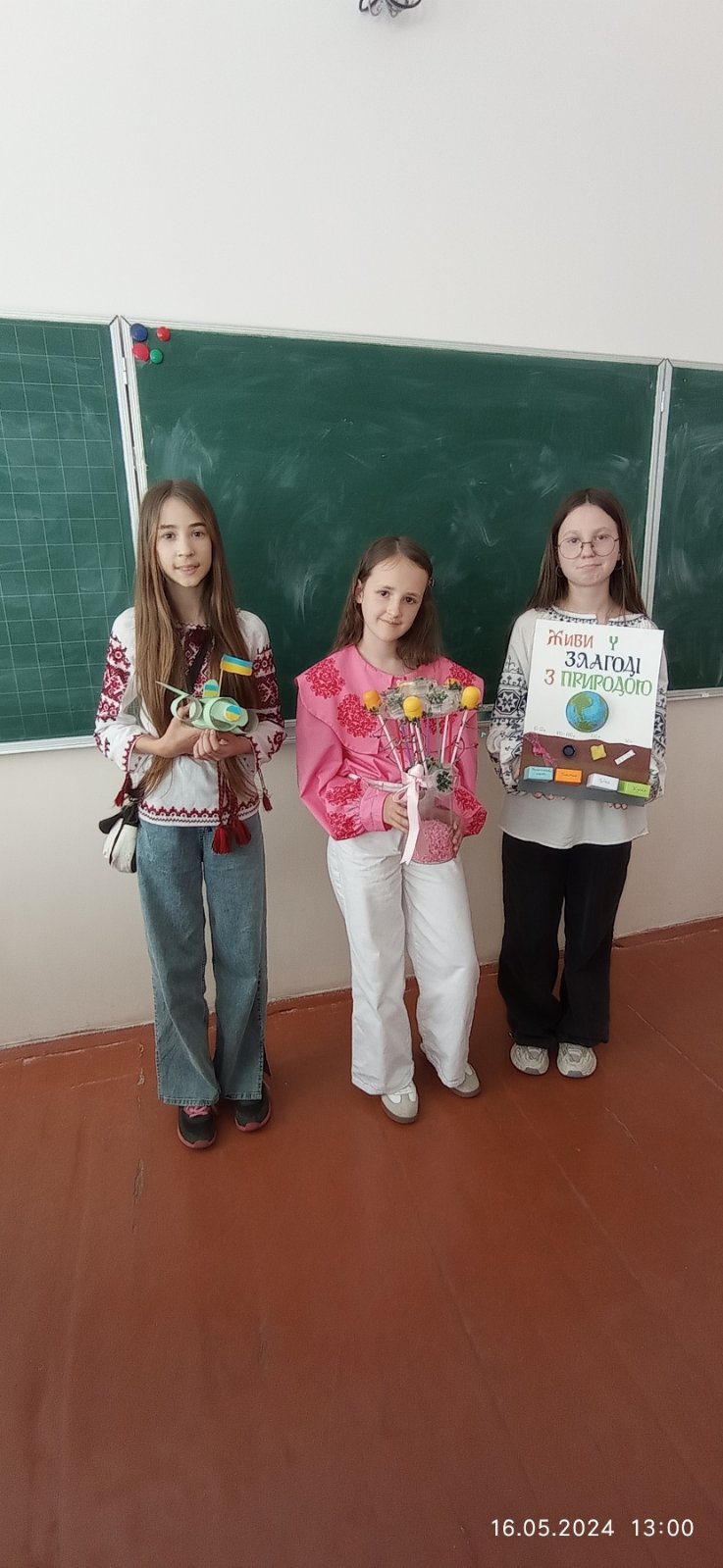
Rydd en strand mens dere har det gøy, hjelper kystmiljøet og reflekterer over samhandling og forandring. Plastsøppelet dere fjerner fra stranden bruker dere til å lage en kunstinstallasjon, som dere…
Verktøy:
5.4.1 -

Ikkevoldelig kommunikasjon
Dette verktøyet er laget for å introdusere elevene til konseptet ikke-voldelig kommunikasjon. Ikkevoldelig kommunikasjon er en teknikk som kan hjelpe deg og elevene dine med å diskutere vanskelige situasjoner og…
Verktøy:
5.4.2 -

Empatisk kommunikasjon
Dette verktøyet er laget for å introdusere elevene for begrepet empati, og for hvordan de kan kommunisere med hverandre på en empatisk måte. Som en del av dette verktøyet skal…
Verktøy:
5.4.3 -
Dilemmaspillet
Når vi diskuterer klimatiltak, står vi ofte overfor dilemmaer der det bare er begrensede ressurser tilgjengelig for å nå ønskede mål, og der hvert alternativ har vidtrekkende konsekvenser. I dette…
Verktøy:
5.4.4